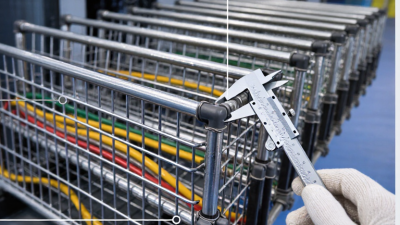
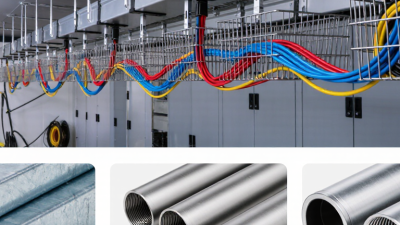
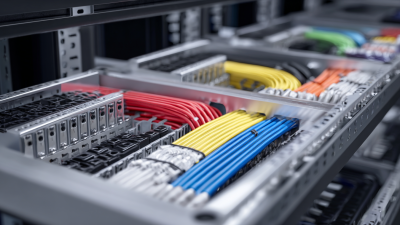
A cable basket is an open-wire support system for routing electrical and data cables. It resembles a shallow steel mesh channel. Technicians can see, sort, and reach every cable without removing a solid cover. That simple access changes installation work considerably.
Grand View Research estimates that the global cable management market was worth about USD 23.6 billion in 2023. It also projects continued growth through 2030, driven by data centers, commercial buildings, and industrial automation. MarketsandMarkets reports similar momentum for cable tray systems, with demand linked to expanding digital infrastructure. These figures do not describe cable basket sales alone. They do show the larger market pressure behind organized cable routing.
Electrical educator Mike Holt offers a practical warning: “The safest installation is the one that follows the manufacturer’s instructions and the applicable electrical code.” That principle explains how a cable basket works in practice. The basket carries the cable load, while brackets and supports transfer weight to the building structure. Proper spacing prevents excessive sag. Correct separation can also reduce heat buildup and signal interference.
A well-fitted basket looks almost invisible. Cables run in clean layers beneath a raised floor or along a ceiling. Labels remain readable. Future additions stay possible.
But the system is not automatically safe.
An overloaded basket can deform. Sharp edges can damage insulation. Poor bonding can weaken the overall installation. These failures are easy to overlook during a fast project. Therefore, choosing a cable basket requires checking load capacity, material, corrosion exposure, support spacing, cable type, and local requirements. The best design is not merely tidy. It remains accessible, traceable, and adaptable after real maintenance begins.
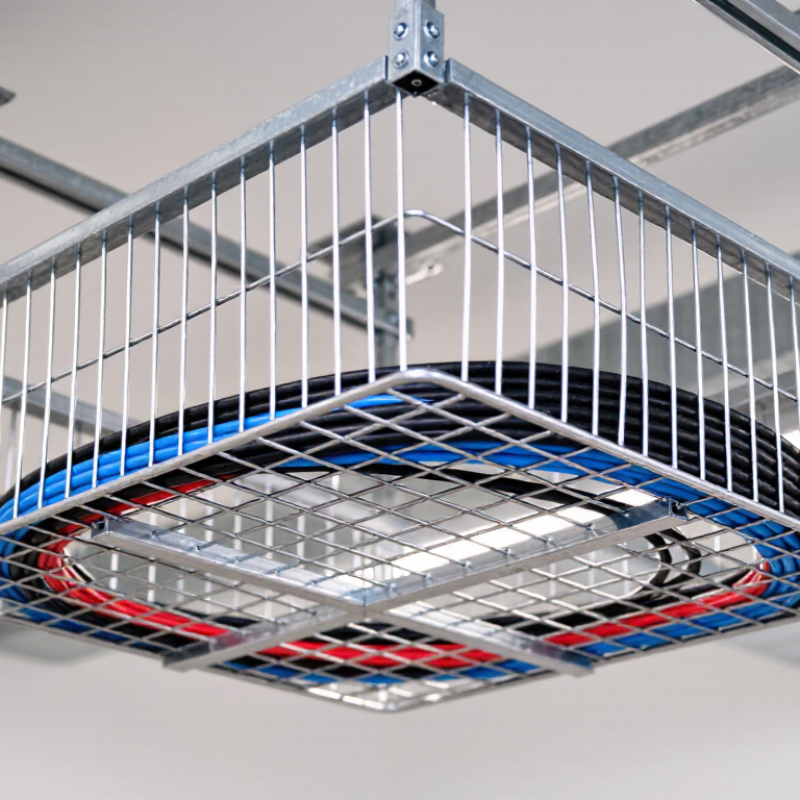
A cable basket is an open support system for electrical and data cables. It is usually made from welded steel wire, forming a shallow channel with a mesh bottom and raised sides. The structure carries cables above ceilings, under floors, or along service corridors. Unlike a solid tray, it leaves the cable surface visible. This improves airflow and makes inspection easier. Its basic parts include straight sections, supports, couplers, bends, and tees.
Tips: Check the expected cable weight before choosing the basket size. Keep power and communication cables separated when project requirements demand it. Use suitable supports at regular intervals. Sharp edges can damage insulation, so inspect cut ends carefully. Small details matter.
The basket works by transferring cable weight into building supports through brackets, threaded rods, or hangers. Cables rest inside the basket instead of lying across structural surfaces. Installers can add or remove cables without dismantling a closed cover. That flexibility saves time during maintenance. However, the open design is not suitable for every environment. Dust, moisture, impact, or heavy mechanical exposure may require additional protection. One common mistake is treating the basket like a ladder during installation. It is not designed for climbing. Load limits, clearances, grounding practices, and local electrical requirements should be checked by a qualified professional. The simplest layout is not always the safest one.
What Is a Cable Basket and How Does It Work?
Key Materials and Design Features
A cable basket is an open-wire support system for organizing electrical and data cables. Its mesh structure keeps cables visible, separated, and easier to inspect. In practice, installers can place cables into the basket without pulling them through a closed channel. This saves time during changes and repairs.
Most baskets use galvanized steel because it offers strength and reasonable corrosion resistance. Stainless steel suits humid, coastal, or chemically demanding areas. Aluminum provides lower weight, but it may need careful load planning. Surface coatings also matter. A damaged coating can expose the metal and encourage rust around cut edges.
The design is simple, but small details affect performance. Welded wire joints should remain smooth, so insulation does not snag. Rounded edges reduce abrasion during installation. Wider mesh openings improve ventilation and help heat escape from bundled cables. However, very open mesh may provide less support for small cables. That trade-off deserves attention.
A reliable basket system includes bends, tees, drops, and suitable support brackets. These parts maintain cable direction without forcing sharp turns. The basket must also match the expected cable weight and span distance. Overloading creates sag, even when the steel looks strong. I have seen neat installations fail because supports were spaced too widely. The layout looked correct at first. It was not. Regular inspection remains useful, especially after adding new cables or equipment.
What Is a Cable Basket and How Does It Work?
A cable basket is a ventilated tray made from welded steel wire. It supports cables above ceilings, under floors, or across equipment rooms. Installers attach it to threaded rods, brackets, or wall supports. The open mesh lets technicians see every cable, even in crowded pathways.
Its main job is organization. Power, data, and control cables can follow separate routes. Smooth bends help protect insulation and preserve the recommended bend radius. Vertical drops guide cables toward cabinets without sharp pulling points. The basket also leaves space beneath the cables, helping air move through technical rooms. That matters because blocked airflow can raise equipment temperatures and increase cooling demand. Poor routing remains a practical risk, not just an aesthetic problem.
The 2024 Annual Outage Analysis from Uptime Institute reported that 54% of significant data-center outages caused losses exceeding $100,000. A cable basket cannot prevent every outage. It can, however, make inspection, tracing, and maintenance more controlled. A technician can follow one visible bundle instead of disturbing several hidden layers. Capacity planning still requires care. Overfilled baskets sag, restrict access, and create extra loading on supports. The small details matter. I have seen neat installations become difficult after one rushed expansion. Engineers should check load ratings, support spacing, cable separation, and future capacity before installation. A little empty space is useful.
A cable basket is an open steel or aluminum support that carries grouped cables above ceilings, floors, or equipment areas. Its mesh shape improves airflow and lets installers inspect cables without removing a solid cover. Good installation begins with a route survey. Measure the span, cable load, ceiling height, and access points before drilling. I have found that overlooked obstacles, such as pipes and fire doors, cause more rework than difficult fastening.
Mark support positions according to the basket manufacturer’s load table and the project engineer’s drawings. Keep supports level and reduce spacing near bends, joints, and heavy cable groups. Install threaded rods, brackets, or trapeze frames into suitable structural points. Do not suspend a loaded basket from weak ceiling panels. Required accessories usually include couplers, splice plates, bolts, washers, mounting brackets, drop rods, and protective edge strips. Use bonding jumpers when electrical continuity is required by the design or local code. Grounding details need verification.
Join each basket section firmly, then check alignment by sight and with a level. Leave enough clearance for pulling cables and future maintenance. Route power and communication cables as specified, using dividers where separation is necessary. Secure cables with compatible ties or clamps, but avoid crushing insulation. At corners, use approved bends instead of forcing the mesh by hand. That shortcut often looks harmless. Inspect every connection, sharp edge, support, and anchor before loading the system. A second inspection is worthwhile because small errors become expensive after cables are installed.
A cable basket is a ventilated metal tray that supports power, data, and control cables. Its open-wire structure holds cables above ceilings, under floors, or along industrial walls. Installers place the basket on brackets, then secure cables with ties or clamps. The design leaves space around each cable, allowing heat to escape more easily than in a crowded closed channel.
Airflow matters.
Common applications include offices, data rooms, workshops, factories, and renewable energy facilities. A well-planned basket route keeps cables visible and easier to trace during upgrades. It can also reduce clutter, simplify access, and limit the need for drilling through multiple surfaces. In my experience, clear separation between power and signal cables prevents many avoidable troubleshooting problems. However, cable baskets do not solve poor planning. An overloaded route remains unsafe and difficult to service.
Maintenance should begin with a visual inspection. Check for sagging, sharp edges, loose supports, rust, and damaged ties. Cables should not press heavily against the basket or block ventilation. Dust can collect in busy ceiling spaces, so gentle cleaning may be useful. Avoid pulling cables across rough joints. Confirm the support spacing and load rating before adding new lines. One assumption deserves checking: a tidy basket may still contain excessive heat or bending pressure. Record inspections, repair small defects early, and ask a qualified professional to assess unfamiliar damage.
Fill out the form below and our team will get back to you ASAP.
Snake Tray® is Green and Proudly Powered by the Sun! Snake Tray is committed to designing and manufacturing products that have many green benefits. Our products are made of recycled goods, minimize material waste, are energy efficient, use less non-renewable resources and nest together read more…
Snake Tray® 291 Skip Lane, Bay Shore NY 11706 | PHONE: 631-674-0004 | FAX: 631-674-0010 | www.bakoselectric.com | LEGAL | MADE IN USA
© 2025 SnakeTray. All rights reserved
Fill out the form below to download your document.