Who Are the Top Aluminum Cable Tray Manufacturers in China?

China’s aluminum cable tray manufacturers operate within a vast materials supply chain. The USGS Mineral Commodity Summaries 2024 estimates China produced about 41 million metric tons of primary aluminum in 2023. That scale supports a broad industrial base, but it does not prove that any supplier makes better trays. Buyers still need to check alloy specifications, load ratings, finish quality, and test documentation.

The market is also changing. Grand View Research’s cable tray market analysis points to continued demand growth, driven by construction, industrial facilities, and expanding power infrastructure. Yet market forecasts cannot verify an individual factory’s capability. A useful technical lens comes from Mark W. Earley, an electrical-code expert and NFPA 70 Handbook author. His NEC-focused guidance can be summarized as follows: match equipment selection to actual installation conditions. That matters when a tray must span a long distance, carry bundled cables, or resist corrosion in a damp plant room.

Details matter. Ask how manufacturers control dimensions, welds, surface treatment, and batch traceability. Request drawings and load-test evidence, not just a polished catalog. This guide compares leading Chinese suppliers through those practical criteria, while recognizing that public information varies. A ranking is only a starting point. Verify the claims before specifying an aluminum cable tray for a real project.
Who Are the Top Aluminum Cable Tray Manufacturers in China?

Understanding Aluminum Cable Trays and Their Applications

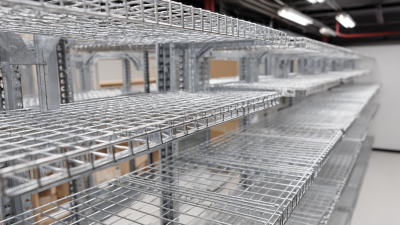
Aluminum cable trays support and route power or data cables through factories, commercial buildings, and outdoor infrastructure. Their open sides allow airflow and make cable inspection easier. Installers can add or reposition cables without opening a sealed duct. Common designs include ladder, perforated, and solid-bottom trays.

The Aluminum Association’s Aluminum Design Manual lists aluminum density at about 2.70 g/cm³, compared with roughly 7.85 g/cm³ for carbon steel. That lower mass can ease overhead handling and reduce support loads. It does not make every tray stronger or cheaper. Span, cable fill, impact risk, and corrosion exposure still matter. Near coastal sites, salt deposits can attack fittings and connections. Not everywhere, though. Material choice needs context.

Tips: Check the tray’s load and span tables against the actual cable bundle, including future additions. Keep sharp edges away from insulation, and use compatible fasteners to limit galvanic corrosion between dissimilar metals. Measure before specifying. A lighter tray may simplify installation, but undersized supports can still sag.

Key Criteria for Evaluating Chinese Cable Tray Manufacturers

Choosing a Chinese aluminum cable tray manufacturer starts with matching its production capability to your project. Ask for alloy and temper details, material thickness tolerances, and finish specifications. Request load-test data showing span, loading, and measured deflection. A clear test setup matters; a single load rating can be misleading. Check whether sample trays match the drawings, including rung spacing, side-rail height, and joint fit. For outdoor installations, ask how the finish performs under the relevant exposure conditions.

Tips: Compare the same tray size and test span. Request recent inspection records, not just catalog claims. Measure a sample yourself.

Evaluate consistency as well as price. Ask how incoming aluminum, forming, cutting, and finishing are checked, and whether batch records can be traced to supplied products. Review packaging details too: corner protection and dry separation can reduce scratches during transit. Communication is another practical test. Send a drawing with one unusual bend or connection and note how clearly the manufacturer identifies questions. A tidy quotation is reassuring, but it does not prove stable production. No supplier is flawless; candid answers about limits and corrective actions are more useful than broad promises.

Leading Aluminum Cable Tray Manufacturers in China

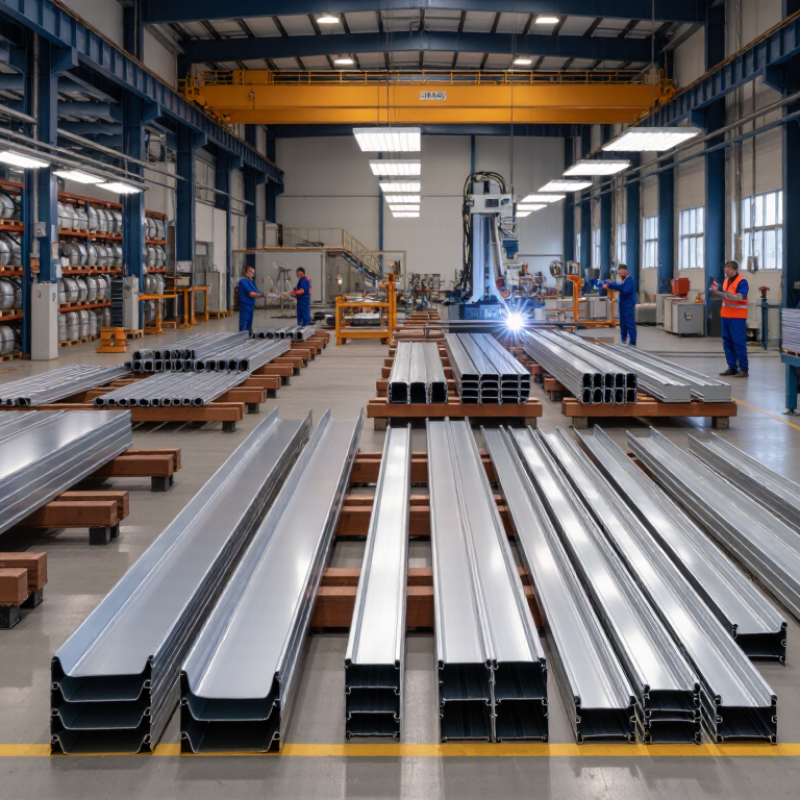
China’s leading aluminum cable tray manufacturers are best judged by engineering evidence, not catalog claims. The International Aluminium Institute reported China’s 2023 primary aluminum output at about 41.5 million tonnes. This scale supports a substantial material supply base, but it does not prove that any tray is well made. Buyers should request alloy and thickness records, dimensional checks, and load-test results for the proposed span and support spacing.

Inspect the details. A clean sample should have even edges, aligned perforations, and a consistent finish. Ask how the manufacturer controls corrosion protection, batch traceability, and custom fabrication. These checks matter in coastal plants, damp utility rooms, and sites where trays carry heavy cable bundles. A supplier’s engineering team should explain load limits and installation conditions in plain terms. I would still inspect a physical sample; paperwork can miss a rough cut edge. That is not enough. Compare test methods and sample specifications, since results are meaningful only when the tested product matches the order. A low quotation may reflect a thinner section or fewer quality checks, so confirm both before comparing prices.

Material Density Relevant to Aluminum Cable Tray Selection

A neutral material comparison for understanding one factor behind aluminum cable tray design—not a ranking of manufacturers.

Typical reference densities: aluminum 2.70, carbon steel 7.85, and stainless steel 8.00 g/cm³. Actual values vary by alloy and grade.

Comparing Product Range, Quality, and Customization

When comparing aluminum cable tray manufacturers in China, look beyond the number of products shown online. A useful range may include ladder, perforated, and solid-bottom trays, with matching covers, bends, tees, and reducers. Check whether standard widths and side-rail heights suit your cable volume and installation space. Details matter. A broad catalog can still leave gaps in fittings.

Quality claims need practical evidence. Ask for alloy and temper specifications, material thickness, surface-finish details, and load data tied to stated support spans. A tray’s capacity depends on its design and installation conditions, not just its material. Request sample inspection records or test documents, and compare how clearly each supplier explains them. Not every catalog tells the story.

Customization is especially relevant when routes include tight corners, unusual support spacing, or equipment-room constraints. Suppliers may adjust lengths, hole patterns, bends, and finish options, but confirm drawing approval, tolerances, minimum order quantities, and delivery schedules in writing. Ask how changes are handled after production begins. One point is easy to overlook: custom parts can solve a site problem while making future replacements less convenient. A detailed drawing review helps expose that trade-off before ordering.

How to Select a Manufacturer for Your Project

Selecting an aluminum cable tray manufacturer starts with your project conditions, not a catalogue photo. Share cable weights, support spacing, indoor or outdoor exposure, and any washdown or chemical contact. Ask for load tables that match your proposed span. A tray that looks sturdy may still deflect when fully loaded. Details matter.

Check the alloy, metal thickness, joint design, and available fittings against your drawings. Confirm that bends, tees, covers, and connectors fit the straight sections without improvised cuts. Request inspection records, material information, and samples when practical. A clean sample helps, but it cannot prove consistent production. Ask how the factory checks dimensions and surface finish across batches.

Compare lead times, packaging, and technical support as carefully as unit price. Request a clear quotation that identifies specifications, quantities, and exclusions. If the project has unusual loads or corrosive conditions, ask for a written engineering response rather than a quick assurance. Speak with past customers if possible, and check whether delivery dates were realistic. One detail is easy to miss: clarify who handles design changes after approval. Even experienced teams sometimes overlook it. That deserves a second look.

Who Are the Top Aluminum Cable Tray Manufacturers in China? — How to Select a Manufacturer for Your Project
Selection Dimension What to Check Useful Evidence to Request Why It Matters
Product range Confirm availability of the required aluminum ladder, perforated, or solid-bottom tray; widths, side-rail depths, fittings, covers, and accessories. Current product catalogue, dimensional drawings, and a project-specific bill of materials. A complete, compatible system can simplify installation and reduce field modifications.
Load and span data Check that published load ratings match the proposed tray type, width, support span, loading condition, and installation orientation. Load-test or engineering documentation, allowable-load tables, and the assumptions used for each rating. Load capacity depends on the complete configuration; ratings should not be compared without matching their test and support conditions.
Material and finish Specify the aluminum alloy, temper, finish, and any project requirements for corrosion resistance or appearance. Material certificates, finish specifications, and inspection records linked to the supplied batch. Material and finish should suit the installation environment and the project specification.
Applicable standards Identify the standard and edition required by the project. IEC 61537 covers cable tray and cable ladder systems; NEMA VE 1 covers metal cable tray systems. Declaration of conformity, test reports, or other documentation showing the exact products and configurations assessed. Standards provide a basis for defining system requirements; confirm that the evidence applies to the products being quoted.
Manufacturing quality controls Review controls for incoming material, forming, cutting, joining, dimensional checks, and final inspection. Quality procedures, inspection plans, sample inspection records, and details of any quality-management certification claimed. Documented controls help support consistent dimensions and repeatable product quality.
Customization and engineering support Check the supplier’s ability to provide project-specific layouts, fittings, drawings, and technical clarification. Sample submittal drawings, response times agreed for the project, and a clear process for design changes. Early coordination can help resolve routing, support, and interface issues before installation.
Production capacity and lead time Verify the quoted production schedule, order capacity, packaging plan, and shipment milestones against the project programme. Written lead-time commitment, production schedule, and shipment or packaging plan. Capacity and delivery commitments should be assessed against the actual order quantity and required delivery dates.
Traceability and inspection Agree on product identification, batch traceability, inspection scope, acceptance criteria, and the process for handling nonconforming items. Example product labels, inspection forms, traceability records, and a documented corrective-action process. Clear records make it easier to verify deliveries and address quality issues.
Commercial and after-sales terms Compare quotation scope, exclusions, Incoterms, warranty terms, spare-part support, and technical assistance after delivery. Itemized quotation, written warranty conditions, and named points of contact for technical and service matters. Comparable commercial terms help prevent gaps between the quotation, purchase order, and project requirements.
Project note: This table is a supplier-selection checklist, not a ranking of individual manufacturers. Verify product claims, certifications, and test documentation directly against the project specification before placing an order.

Have Questions?

Talk to a product specialist today: 1-800-308-6788

Snake Tray Catalog

snake tray® CATALOG

the new catalog is here. AVAILABLE IN PRINT AND ONLINE.

DOWNLOAD A PDF REQUEST A PRINTED COPY
CALL US TODAY