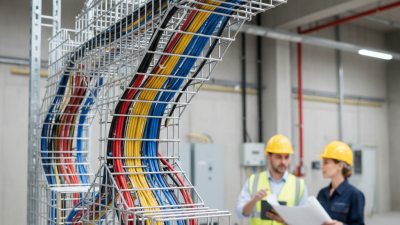
Choosing the right cable tray systems for your project can be daunting. As an industry expert, John Doe emphasizes, “The right design can save time and costs.” Your selection impacts safety, efficiency, and functionality. Understanding the specific requirements of your project is vital.
Cable tray systems come in various materials and designs. Each option serves distinct purposes. For instance, fiberglass trays resist corrosion, while steel provides durability. Consider your project’s needs carefully. A hasty choice can lead to issues later on, such as overheating or inadequate support. Assess not just the current needs but also future expansions.
Take time to evaluate different manufacturers and products. Not all cable tray systems are created equal. Some may not meet industry standards, which is a risk you cannot afford. In the end, the right selection will contribute significantly to the success of your project.

Choosing the right cable tray system involves understanding the advantages of different materials. Steel, for example, is strong and durable, suitable for high-load environments. It resists fire and corrosion, but it can be heavier and costlier.
Aluminum is lighter and resistant to corrosion, making it ideal for indoor installations. However, it may not support heavy cables as well as steel.
When selecting, consider the project's specific needs. Environmental factors play a crucial role. For instance, outdoor installations may require weather-resistant materials. Conduct a thorough analysis of load requirements and installation conditions.
Also, think about future expansions. The right material will accommodate growth without complications.
Evaluate installation ease. Some materials require special tools or skills. Complicated installations can lead to delays and increased costs. Assessing the expertise of your team might prevent mistakes. Remember, costs are not just about material. Maintenance is crucial too. A system requiring constant upkeep can become a financial burden over time.
Choosing the right cable tray systems requires a careful evaluation of load capacity. It is crucial to adhere to industry standards and guidelines. According to the National Electrical Manufacturers Association (NEMA), cable trays must support various types of cables, ranging from power to communication lines. Ensuring the right selection can prevent potential safety hazards and system failures.
Load capacity varies considerably between different materials and designs. For steel cable trays, the load capacity can reach up to 400 pounds per linear foot, while fiberglass trays usually support loads around 250 pounds. This variation highlights the importance of understanding the specific requirements of your project. Conducting a thorough analysis of your cable types and weights is essential, as misjudgments can lead to inadequate support.
Inspection and compliance with local regulations are vital. Guidelines, such as those set forth by the American National Standards Institute (ANSI), provide specific load rating requirements. Regular audits of your cable tray systems can enhance safety and performance. Failing to comply may lead to accidents and costly repairs. Always consider the unique environment each project presents.
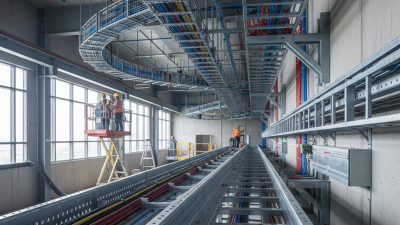
When selecting cable tray systems, space utilization is a key consideration. Installing trays in tight areas can be challenging. Proper planning ensures that trays fit seamlessly without overcrowding. Limited space may also restrict cable capacity. This can lead to a cluttered look and affect functionality. Assessing the area thoroughly before installation helps mitigate these issues.
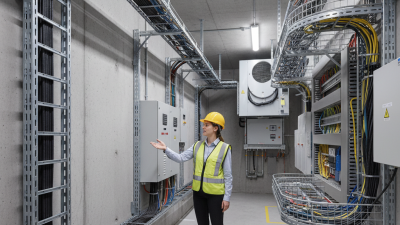
Accessibility plays a significant role in cable tray design. Maintenance personnel must easily reach cables for repairs or upgrades. Trays placed too high or in difficult locations become a hassle. Thoughtful design minimizes the need for cumbersome tools. Ensuring that workers can comfortably access the trays saves time and increases efficiency in the long run.
Aesthetic appeal shouldn't be overlooked. The appearance of cable trays can influence the overall feel of a project. Trays designed with modern lines can complement a sleek environment. However, blending function with style can be tricky. Sometimes, practical considerations might interfere with visual aspirations. Striking the right balance requires careful planning and creativity.
When selecting cable tray systems, understanding compliance with NEC and IEC standards is essential. These regulations set the benchmarks for safety and performance. They dictate how systems should be designed, installed, and maintained. Familiarity with these standards can prevent costly mistakes and potential hazards.
Navigating NEC guidelines ensures that the chosen systems adhere to electrical safety requirements. It covers aspects such as load capacity, grounding, and fire resistance. Conversely, IEC standards provide an international perspective, essential for projects with a global scope. Ignoring these guidelines can lead to non-compliance, affecting project integrity.
It’s vital to engage with experts who understand these regulations. They can provide insights that go beyond basic compliance. Understanding the nuances can prevent future issues. Construction teams must remain vigilant. Documentation and regular inspections are often overlooked but critical for maintaining standards. Ensuring proper installation is just as important as meeting compliance; any lapses here can be detrimental.
When budgeting for cable tray systems, consider installation and long-term maintenance costs. An efficient cable tray can minimize future disruptions and repair costs. However, initial expenses can vary widely based on materials and design complexity. Always conduct thorough research before making a decision.
Budgeting can be tricky, especially with fluctuating material costs. Include potential price increases in your estimates. Factor in labor costs, as qualified installers may charge more. Make sure to set aside funds for unexpected expenses. This can help avoid project delays due to financial shortfalls.
A good practice is to regularly review your budget as the project progresses. Adjust for any price changes and unforeseen expenses. Communicate openly with your installation team to stay informed about any changes. Installation is just the start; consider the life-cycle costs of maintaining your cable trays.
Fill out the form below and our team will get back to you ASAP.
Snake Tray® is Green and Proudly Powered by the Sun! Snake Tray is committed to designing and manufacturing products that have many green benefits. Our products are made of recycled goods, minimize material waste, are energy efficient, use less non-renewable resources and nest together read more…
Snake Tray® 291 Skip Lane, Bay Shore NY 11706 | PHONE: 631-674-0004 | FAX: 631-674-0010 | www.bakoselectric.com | LEGAL | MADE IN USA
© 2025 SnakeTray. All rights reserved
Fill out the form below to download your document.