10 Essential Tips for Choosing the Right Basket Cable Tray

Choosing the right basket cable tray can significantly impact the efficiency of your electrical installations. As industry expert John Smith states, “Selecting the right tray isn't just about aesthetics; it's about ensuring safety and functionality.” His experience highlights the need for careful consideration in this decision-making process.

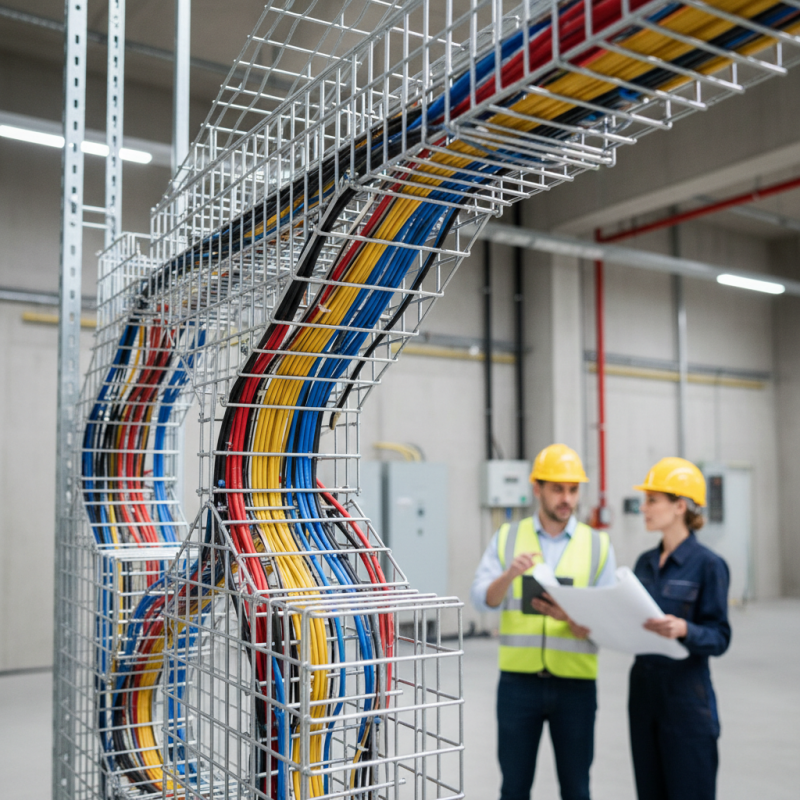
Basket cable trays are crucial for supporting cable systems while allowing for ventilation and maintenance. Many overlook factors such as load capacity and installation environment. Choosing poorly can lead to costly modifications and safety hazards. Understanding the material and design can enhance the longevity of your installation.

With various options available, assessing your specific needs is vital. Consider the cable types and routes in your project. Yet, it's easy to get overwhelmed by choices. Each attribute of a basket cable tray contributes to its effectiveness. Decision fatigue can lead to a subpar choice, potentially undermining the entire project. Reflect on how each selection aligns with operational goals.
10 Essential Tips for Choosing the Right Basket Cable Tray

Understanding Basket Cable Tray: An Overview of Types and Uses

Basket cable trays are essential in modern electrical installations. They provide effective support for wire management in various environments. Understanding the types and uses of these trays is crucial for engineers and technicians.

There are several types of basket cable trays: galvanized steel, aluminum, and fiberglass. A 2022 report from the National Electrical Manufacturers Association found that galvanized steel is the most widely used material due to its durability and corrosion resistance. Aluminum trays are lighter but still effective, often used in conditions where weight is a concern. Fiberglass options are favorable in environments with high humidity or chemical exposure.

Selecting the right tray also involves understanding the space and load requirements. A study by the International Electrotechnical Commission indicates that improper sizing can lead to overheating and reduced efficiency. Basket trays should allow for airflow and prevent the accumulation of heat. Regular assessment of cable trays is essential. Maintenance issues can lead to failures, highlighting the need for inspection and potential adjustments over time.
10 Essential Tips for Choosing the Right Basket Cable Tray

Factors to Consider When Selecting Basket Cable Trays for Your Project

10 Essential Tips for Choosing the Right Basket Cable Tray

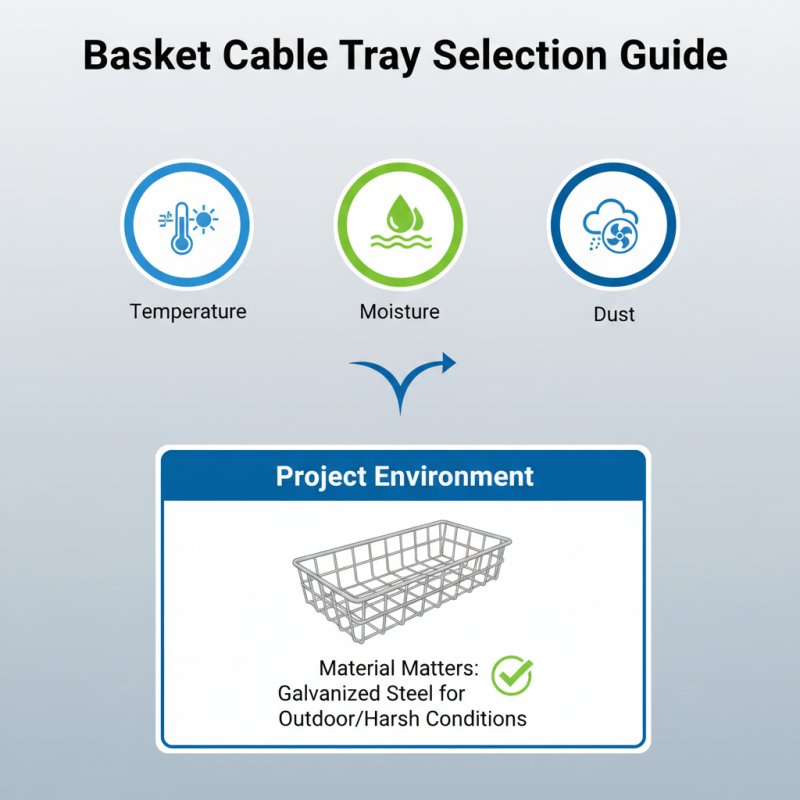
Choosing the right basket cable tray requires careful consideration. Start by assessing the environment. Will the trays face high temperature, moisture, or dust? Some materials handle these conditions better. For example, galvanized steel can withstand outdoor settings. Make sure to match tray material with project needs.

Another crucial factor is load capacity. Different trays support different weights. Underestimating weight can lead to failures. Imagine a poorly supported cable tray bending under pressure. This could result in costly damage and complicate repairs. Always refer to specifications and safety standards to ensure a proper fit.

Integration flexibility is also key. Will the trays need to accommodate future additions? Choose designs that allow for easy modification. Look for trays with quick installation features to save time and labor. Effective planning today can prevent complications tomorrow. Remember, the right choice today pays off in the long run.

Load Capacity and Weight Distribution: Ensuring Safety and Stability

When selecting a basket cable tray, load capacity is crucial. The load capacity varies significantly based on materials and design. Standard metal trays can typically hold between 50 to 100 pounds per linear foot. This parameter is vital for safety and stability in installations. The American National Standards Institute (ANSI) suggests a 1.5 safety factor for load capacity, ensuring that the tray can handle unexpected stresses without failure.

Weight distribution is another key factor. An uneven load can lead to cable damage and structural failure. Properly distributing cables within the tray helps maintain balance. According to the National Electrical Manufacturers Association (NEMA), a tray with a uniform load can sustain higher capacities effectively. Regular inspections are necessary to confirm that cables do not exceed recommended loads. These checks can prevent accidents and extend the lifespan of cable trays significantly.

Choosing the correct size and design based on weight requirements is often overlooked. Users may underestimate cable weight, leading to safety risks. Failure to adhere to guidelines can result in regulatory fines and project delays. Awareness of specifications aids in avoiding potential mishaps. It’s essential to continuously assess load capacities and make adjustments as needed for ongoing projects.

Material Choices: Selecting the Best Material for Durability and Functionality

Choosing the right material for your basket cable tray is crucial for long-term use. Common options include steel, aluminum, and fiberglass. Steel offers high durability and strength. It is less prone to damage from heavy cables. However, it is susceptible to rust in humid environments. Aluminum is lightweight and resistant to corrosion but may not hold as much weight. Fiberglass is a great choice for environments with high chemical exposure. It provides good insulation properties.

Consider the specific setting where the cable tray will be installed. Is it indoors or outdoors? Will it be exposed to moisture or chemicals? These factors play a big role in material selection. Each material has its pros and cons. You might decide based on immediate needs rather than long-term performance. Be cautious here; short-term gains could lead to higher replacement costs later.

Think about how often you'll need to maintain or replace the tray. Investing in more durable materials may save time and resources in the future. While a cheaper option may seem appealing, it may lead to frequent repairs. Reflect on your choices and anticipate the potential challenges.

10 Essential Tips for Choosing the Right Basket Cable Tray - Material Choices: Selecting the Best Material for Durability and Functionality

Material Type Durability Corrosion Resistance Weight Capacity Cost
Steel High Moderate 300 lbs $$
Aluminum Moderate High 200 lbs $$$
Stainless Steel Very High Very High 400 lbs $$$$
Fiberglass High High 250 lbs $$$
Plastic Low Variable 150 lbs $

Compliance and Standards: Meeting Regulatory Requirements for Installation

When installing basket cable trays, understanding compliance and standards is crucial. A report by the National Electrical Manufacturers Association (NEMA) indicates that 30% of installations fail to meet local regulations. This often results from overlooking important standards. Engaging with local codes ensures that the installation is both safe and legal.

Proper grounding and bonding are also essential. According to the Institute of Electrical and Electronics Engineers (IEEE), 40% of electrical faults arise from poor grounding. Selecting a cable tray that supports effective grounding can mitigate this risk. Continuous training and education on compliance can lead to better outcomes.

It’s vital to remember that not all materials meet fire safety standards. The Underwriters Laboratories (UL) provides guidelines for fire ratings. Selecting non-compliant trays could mean increased risks during a fire emergency. Regular audits of installations can highlight areas for improvement. These practices contribute to both safety and reliability in cable management.

Have Questions?

Talk to a product specialist today: 1-800-308-6788

Snake Tray Catalog

snake tray® CATALOG

the new catalog is here. AVAILABLE IN PRINT AND ONLINE.

DOWNLOAD A PDF REQUEST A PRINTED COPY
CALL US TODAY