Why Is My Electrical Outlet Not Working?
Why Is My Electrical Outlet Not Working? It is a common household problem, but the cause is not always obvious. A dead electrical outlet may result from a tripped circuit breaker, a nearby GFCI outlet, a loose connection, or a damaged receptacle. Sometimes, the appliance is the real problem. It happens more often than many homeowners expect.
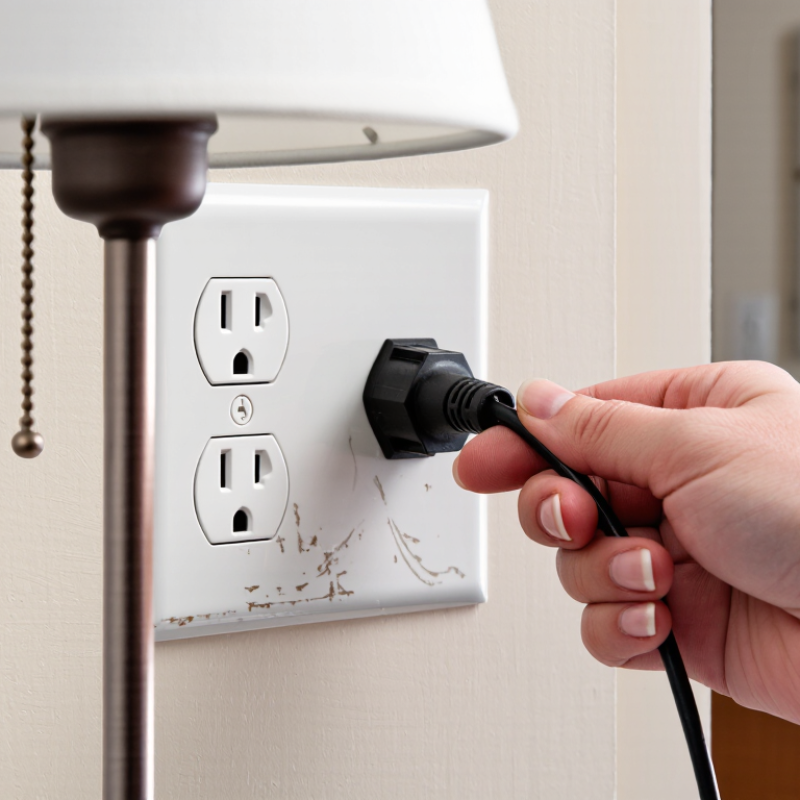
Start with the simplest clues. Does the outlet serve a bathroom, kitchen, garage, or outdoor area? Press the “Reset” button on nearby GFCI outlets, then check the electrical panel for a breaker sitting between “on” and “off.” Test the outlet with a lamp you know works. A small detail, such as one dead outlet beside several working ones, can help identify the fault.
Do not ignore heat, buzzing, sparks, scorch marks, or a burning smell. Stop using the outlet immediately. Turn off the related breaker if you can identify it safely. Then contact a qualified electrician who can test voltage, inspect wiring, and confirm whether the installation meets current local requirements. Removing the cover plate may expose energized parts, even when the outlet appears dead.
A reset can solve the symptom, not the cause. I have seen homeowners assume an outlet was harmless because it worked again briefly. That assumption can be wrong. This guide explains practical checks while recognizing their limits. When the diagnosis remains uncertain, professional testing is the safer and more reliable choice.
Common Reasons an Electrical Outlet Stops Working
Why Is My Electrical Outlet Not Working?
A dead outlet often has a simple cause. Test the device in another outlet first. Then check the circuit breaker for a switch sitting slightly out of position. A tripped ground-fault circuit interrupter, or GFCI, may also cut power downstream. Look in bathrooms, kitchens, garages, and outdoor areas. Press its reset button once.
Some outlets are controlled by a wall switch. Others share a circuit with a heavily loaded heater, microwave, or hair dryer. Loose wiring, a worn receptacle, or a failed connection upstream can also stop power. In field inspections, I have found that a “dead” outlet sometimes reflected a tripped GFCI several rooms away. It is easy to miss. Not every problem is visible.
Take warning signs seriously. Stop using the outlet if it feels warm, sparks, buzzes, smells burned, or shows dark marks. Do not remove the cover while power may remain connected. NFPA’s Home Structure Fires report found electrical distribution and lighting equipment involved in more than half of home fires linked to equipment failure or malfunction during 2017–2021. That figure deserves attention, even when the outlet seems only inconvenient. A qualified electrician should test the circuit, connections, and protective devices before replacing the receptacle. A reset is not a diagnosis.
Why Is My Electrical Outlet Not Working? - Common Reasons an Electrical Outlet Stops Working
| Possible Reason | Common Signs | Safe Initial Check | Recommended Action | Safety Level |
|---|---|---|---|---|
| Tripped circuit breaker | Several outlets or lights in the same area are off. | Look for a breaker that is in the middle or OFF position. | Unplug some appliances, then reset the breaker once by moving it fully OFF and back ON. | Moderate |
| Tripped GFCI receptacle | An outlet in a bathroom, kitchen, garage, basement, laundry area, or outdoors has no power; downstream outlets may also be affected. | Check nearby receptacles for TEST and RESET buttons. | Press RESET once. If it will not reset or trips again, stop using the circuit and arrange an inspection. | Moderate |
| Loose or damaged plug connection | A plug falls out easily, works only at certain angles, or the outlet feels loose. | Disconnect the appliance and visually inspect the outlet without removing its cover. | Do not use the outlet until it is properly repaired or replaced by a qualified electrician. | High |
| Burned, overheated, or damaged receptacle | Discoloration, melting, sparks, buzzing, a burning odor, or heat around the outlet. | Do not touch the damaged area or plug in another device. | Turn off the circuit breaker if it can be identified safely and contact a qualified electrician promptly. | Urgent |
| Faulty appliance or power cord | Only one appliance fails, or the breaker trips when that appliance is connected. | Test the outlet with a known-working device, provided there are no signs of damage or overheating. | Stop using the suspect appliance or cord and have it repaired or replaced. | Moderate |
| Open or loose wiring | The outlet is dead while other nearby outlets work; power may be intermittent. | Check only the breaker and GFCI reset buttons; do not remove the outlet cover unless qualified. | Have a qualified electrician test the circuit and repair the wiring. | High |
| Wall switch controls the outlet | One half of a receptacle or the entire outlet works only when a nearby switch is on. | Try nearby wall switches, especially in bedrooms, living rooms, and older homes. | Use the correct switch. If the behavior is unexpected, request an electrical inspection. | Low |
| Power outage or utility problem | Multiple rooms or the entire property have no electricity. | Check whether lights and other outlets are also off. | Check the main breaker only if safe, and contact the local electricity provider if the outage is widespread. | Moderate |
Important: Never work on energized wiring, use an outlet that is hot or damaged, or repeatedly reset a breaker or GFCI that keeps tripping. Turn off power and seek qualified electrical help when the cause is not obvious.
Related Posts
-

What is an Electrical Outlet and How Does It Work in Your Home
-
What Are the Top Types of Black Cable Tray?
-

7 Essential Tips for Maximizing Efficiency with Wire Basket Trays
-
2025 How to Choose the Right Tray Cable for Your Electrical Projects
-
Top 10 Reasons to Choose Threaded Bar for Your Projects?
-
Discover Premium Cable Racks from China's Leading Manufacturing Hub