Why Choose Y Type Strainer for Your Industrial Needs?

In the realm of industrial applications, efficient fluid management is crucial. One effective solution is the Y type strainer. This device plays a vital role in maintaining system reliability. It filters out unwanted particles, ensuring smooth operations. Choosing the right strainer can significantly impact the performance of your machinery.

Y type strainers are designed for various industries. Their unique shape allows for high flow rates and easy maintenance. These strainers can endure harsh conditions, proving their durability. However, the selection process can be complex. Not all applications require the same specifications. Understanding your specific needs is essential.

Adopting a Y type strainer can enhance your operational efficiency. Yet, it's important to consider factors like pressure drop and installation space. Sometimes, the wrong choice can lead to greater issues. Therefore, thoughtful evaluation is necessary to achieve optimal results.
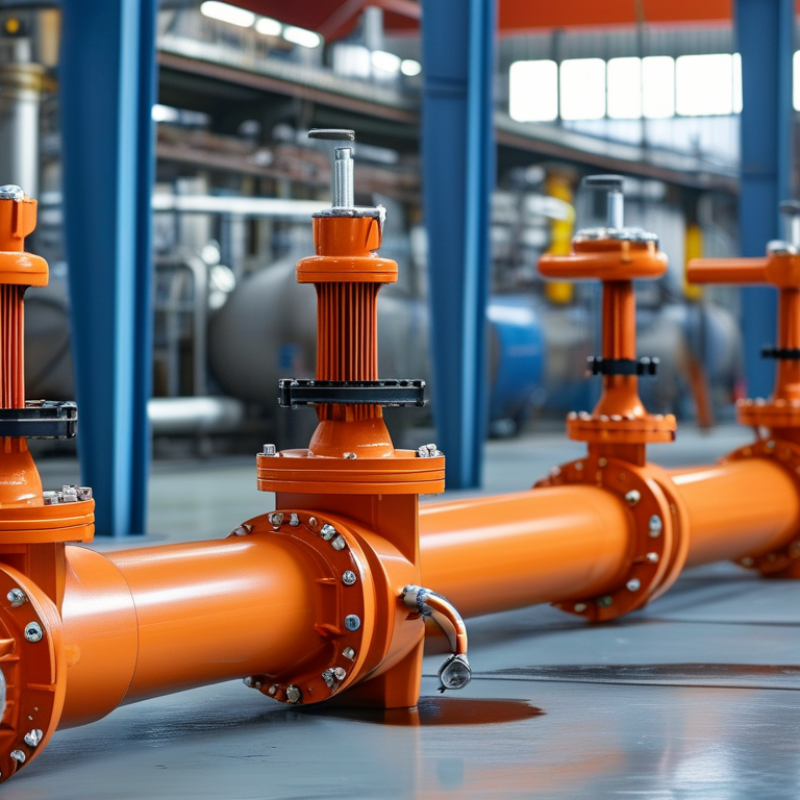
Why Choose Y Type Strainer for Your Industrial Needs?

Understanding the Basics of Y Type Strainers in Industry

Y type strainers play a crucial role in many industrial processes. They are designed to protect equipment by filtering out unwanted particles. Research indicates nearly 30% of industrial downtime is due to equipment failures caused by contaminants. Investing in effective filtration solutions like Y type strainers can significantly reduce this risk.

These strainers operate by allowing fluid flow while trapping solid debris. Their unique design makes them ideal for applications with limited space. The efficiency of Y type strainers is supported by data from the American National Standards Institute, which highlights their capability to handle varying flow rates effectively. This adaptability reduces the frequency of maintenance, leading to enhanced productivity.

However, proper selection and maintenance of Y type strainers are often overlooked. A lack of routine inspection can lead to clogs and reduced efficiency. Industries must regularly evaluate strainer performance to prevent potential issues. This requires an understanding of fluid dynamics and an acknowledgment that even reliable systems can fail if not monitored. Striving for excellence in filtration system management is essential for optimal operational efficiency.

Key Advantages of Using Y Type Strainers for Filtration

Y Type strainers are essential in various industrial applications. They play a crucial role in maintaining the efficiency of fluid systems. These strainers effectively filter out debris and particles from liquids and gases. Their unique design allows for easy maintenance and cleaning without disrupting the flow. This feature is particularly valuable in processes where downtime must be minimized.

One key advantage of Y Type strainers is their versatility. They are suitable for different systems, including water, oil, and gas applications. The Y-shaped configuration helps capture larger contaminants while allowing for a smooth flow. This design is not only efficient but also cost-effective when compared to traditional filtration methods. Moreover, many industries benefit from installing multiple strainers to enhance system reliability.

However, some challenges exist. The filtration efficiency may vary depending on the type and size of the contaminants. Regular inspection and maintenance are necessary to ensure optimal performance. Users must also consider the specific fluid characteristics to select the right strainer size. Balancing maintenance needs with operational efficiency requires careful planning. These considerations highlight the importance of informed decision-making in choosing a Y Type strainer for industrial needs.

Advantages of Using Y Type Strainers for Filtration

Applications of Y Type Strainers Across Various Industries

Y Type strainers are integral across various industries, providing essential filtration and protection for machinery. In the oil and gas sector, for instance, they prevent contaminants from damaging pumps and valves. According to a report from the American Petroleum Institute, improper filtration can cause failures amounting to millions in repairs. The use of Y Type strainers significantly reduces these costs by ensuring cleaner fluid flow.


In water treatment facilities, Y Type strainers are crucial. They help maintain the efficiency of pumps by filtering out debris and particles. The Water Environment Federation states that maintaining clean water systems can improve operational efficiency by up to 30%. Yet, not all installations meet the required standards, leading to unexpected maintenance and downtime. It's vital to assess each installation to prevent failures linked to inadequate straining.


Manufacturing industries also rely on Y Type strainers to protect equipment. Contaminants can lead to decreased efficiency in production lines. However, challenges arise when strainers become clogged. Regular maintenance is necessary but often overlooked. Reports indicate that many facilities still face downtime from neglected strainer cleaning routines, highlighting the need for better practices. Addressing these issues ensures that Y Type strainers fulfill their intended role effectively.

Maintenance Best Practices for Y Type Strainers

Y Type strainers are essential in various industrial applications. Regular maintenance is crucial for optimum performance. A well-maintained strainer prevents costly downtime and equipment failure. Periodic inspection helps identify clogs and build-up. Even minor issues can escalate if ignored.

Cleaning the Y Type strainer is a straightforward yet vital task. For effective maintenance, detach the strainer from the pipeline. Rinse the mesh with water or use an air compressor. This step removes debris and sediment. Ensure the mesh's integrity during the process, as damage can result in inefficiency.

Operators sometimes overlook the importance of monitoring pressure drops. A significant drop indicates blockage. It’s easy to dismiss early signs, but taking action can save time and money. Keeping a regular maintenance log helps track performance and issues over time. This practice fosters accountability and enhances reliability in operations.

Comparative Analysis: Y Type Strainers vs. Other Strainer Types

Y type strainers have gained significant traction in industrial applications. Their design allows for easy maintenance and efficient operation. Typically, they feature a compact structure, which requires less installation space. Compared to basket strainers, Y type strainers have higher flow rates, which is crucial for many facilities. A recent industry report indicated that proper strainer selection can enhance system performance by up to 30%.

When comparing Y type strainers to other types, such as T type and inline strainers, the advantages become clear. T strainers can be cumbersome, often requiring more frequent maintenance due to their larger bodies. Inline strainers may restrict flow rates when handling larger particles. Industry statistics reveal that Y type strainers have a 15% lower pressure drop than their T-type counterparts. This efficiency can lead to lower energy costs and prolonged equipment life.

However, it’s vital to consider specific operational needs before choosing a strainer type. Some users might overlook the importance of compatibility with existing systems. Not all settings benefit equally from Y strainers. A thorough assessment of application requirements ensures that strainers work optimally and don’t cause unforeseen issues. A mindful approach can prevent costly downtimes and enhance overall system reliability.

Have Questions?

Talk to a product specialist today: 1-800-308-6788

Snake Tray Catalog

snake tray® CATALOG

the new catalog is here. AVAILABLE IN PRINT AND ONLINE.

DOWNLOAD A PDF REQUEST A PRINTED COPY
CALL US TODAY