Why Choose an Electric Folding Scooter for Global Buyers?
For global buyers, an Electric Folding Scooter offers a practical balance between personal travel and compact storage. It can move through crowded streets, connect with trains, and fit beside a work desk. A folded scooter may also reduce the need for car trips. This matters in cities where parking is expensive or limited. Yet convenience alone should not decide the purchase.
Real-world use reveals important details. A commuter may carry the scooter up three flights of stairs, then ride over uneven pavement. Weight, wheel size, braking response, and folding security become more important than glossy advertisements. Battery range should be judged carefully. Cold weather, hills, rider weight, and frequent stops can reduce expected distance. Marketing numbers are useful, but they are not promises.
Safety needs evidence. Buyers should check the manufacturer’s instructions, battery protection features, charger quality, warranty terms, and service availability. Independent reviews can support research, while official product documents provide stronger authority. Local rules may control speed, lighting, helmet use, road access, insurance, or registration. Requirements differ widely, so buyers must confirm them before riding. A reliable supplier should explain these limits clearly.
An Electric Folding Scooter is not perfect. Folding mechanisms may wear, small wheels can feel harsh, and charging still requires planning. That is part of the honest decision. The best model is not always the fastest or cheapest. It is the one that fits a buyer’s route, storage space, climate, maintenance skills, and local regulations. Small details matter.
What Is an Electric Folding Scooter?
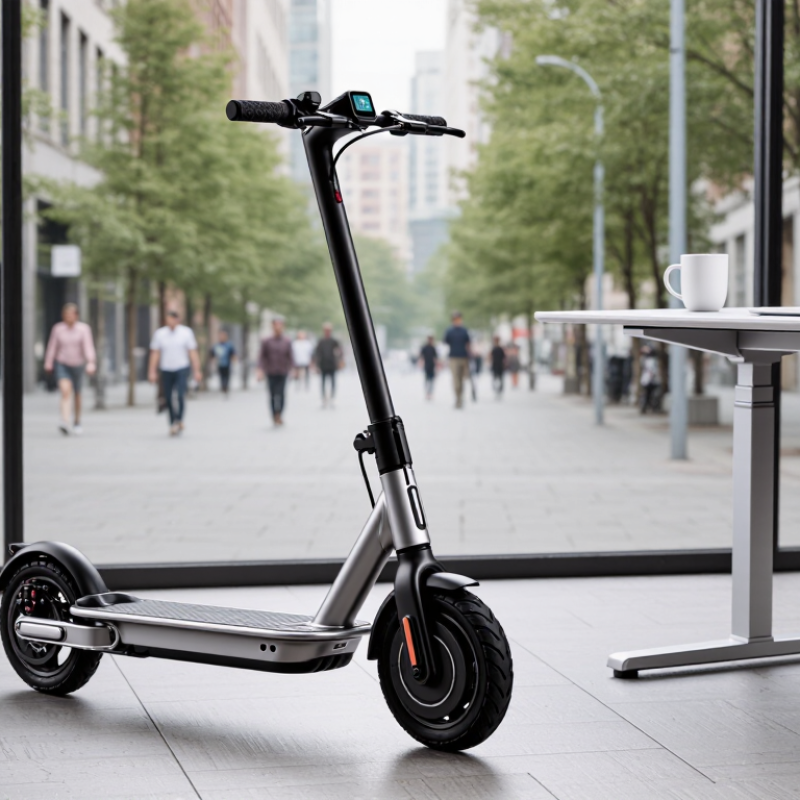
An electric folding scooter is a compact personal vehicle powered by a rechargeable battery and electric motor. Its handlebar and stem usually fold toward the deck, making storage easier in apartments, offices, or car trunks. The deck supports the rider, while small solid or air-filled tires help the scooter move across paved surfaces.
In daily use, the rider controls speed with a throttle and slows down with hand or electronic brakes. A practical model should have clear battery information, a stable folding latch, visible lights, and a frame suited to the rider’s weight. Range depends on temperature, hills, rider weight, tire pressure, and riding speed. Advertised figures can feel optimistic. Real streets are less forgiving.
I have found that carrying weight matters more than many buyers expect. Even a folded scooter may feel awkward on stairs. Check the folded dimensions before ordering internationally. Also inspect charging requirements, replacement parts, warranty support, and local road rules. Battery transport policies can differ between airlines and countries. Do not assume one specification works everywhere. A careful test ride should include braking, turning, folding, and unfolding. It may reveal a loose latch or uncomfortable handlebar height before a long journey.
Why Choose an Electric Folding Scooter for Global Buyers? - What Is an Electric Folding Scooter?
| Data Dimension | Typical Information | Relevance for Global Buyers |
|---|---|---|
| Definition | A compact personal mobility vehicle powered by an electric motor and designed with a folding mechanism for easier storage and transport. | Combines low-emission urban travel with improved portability for commuting, travel and last-mile transportation. |
| Drive System | Usually equipped with a brushless hub motor. Common consumer configurations range from approximately 250 W to 500 W rated power. | Supports everyday travel while allowing buyers to compare performance requirements in different terrains and markets. |
| Maximum Speed | Many everyday models are designed for approximately 20–25 km/h, although the permitted speed may be lower depending on local law. | Speed limits, road access and equipment requirements vary by country, city and vehicle classification. |
| Typical Riding Range | Approximately 15–40 km per charge is common for lightweight consumer models under specified test conditions. | Actual range changes with rider weight, speed, temperature, road gradient, tire pressure and riding style. |
| Battery Type | Rechargeable lithium-ion battery packs are widely used because they offer a high energy-to-weight ratio. | Battery certification, transport rules and charging-plug compatibility should be checked before international purchase or shipment. |
| Charging Time | Approximately 4–8 hours is typical for many compact models, depending on battery capacity and charger output. | Overnight charging can be convenient for commuters, while removable batteries may simplify charging in apartments or offices. |
| Vehicle Weight | Lightweight folding scooters commonly weigh about 10–18 kg; larger batteries and suspension systems can increase total weight. | Lower weight is useful for carrying onto public transport, lifting upstairs and storing in limited spaces. |
| Folded Portability | A folding stem or handlebar reduces the scooter’s storage footprint; folded dimensions vary considerably by design. | Buyers should compare folded dimensions with vehicle trunks, lockers, elevators and public-transport policies. |
| Load Capacity | Many compact models support approximately 100–120 kg, including the rider and carried items. | The rated limit should not be exceeded because it can affect braking, stability, range and component life. |
| Wheel Size | Compact scooters often use wheels of approximately 8–10 inches, while larger wheels can improve comfort on uneven surfaces. | Wheel size should match the intended road quality, portability needs and local weather conditions. |
| Braking System | Common systems include electronic braking, mechanical disc or drum brakes, and rear friction braking. Some models combine two systems. | Reliable braking is essential for safety, especially on wet roads, slopes and in busy urban traffic. |
| Tire Construction | Pneumatic tires generally provide better shock absorption, while solid tires reduce puncture risk but may transmit more vibration. | Tire selection should reflect road surfaces, maintenance preferences and the availability of replacement parts. |
| Weather Protection | Some models provide limited water resistance, commonly identified by an ingress-protection rating; water resistance does not mean waterproof operation. | Users should avoid deep water and verify the applicable protection rating before riding in rainy or humid climates. |
| Energy Use | Electric scooters consume substantially less energy per passenger-kilometre than many full-size motor vehicles, although results depend on electricity generation and usage. | Low operating energy can help reduce commuting costs and local tailpipe emissions. |
| Maintenance Needs | Routine checks include tire condition, brake performance, fasteners, folding joints, lights and battery charging behavior. | A simple maintenance routine can improve safety and extend service life across different operating environments. |
| Regulatory Considerations | Registration, insurance, helmet use, minimum age, speed limits, lighting and permitted riding areas differ by jurisdiction. | Global buyers should confirm local regulations before purchase, importation and road use. |
Note: Specifications are representative ranges for compact electric folding scooters. Actual values depend on the vehicle design, battery configuration, testing method and local regulations.