What Is a Wrapping Machine Used For?
A Wraping Machine protects products and prepares them for storage, transport, or retail display. It may apply stretch film around a pallet, shrink film around a product, or flexible material around a bundle. The right machine depends on the item’s size, shape, weight, and production rate. A small workshop may need a simple turntable wrapper. A busy distribution floor may use an automatic system with powered conveyors.
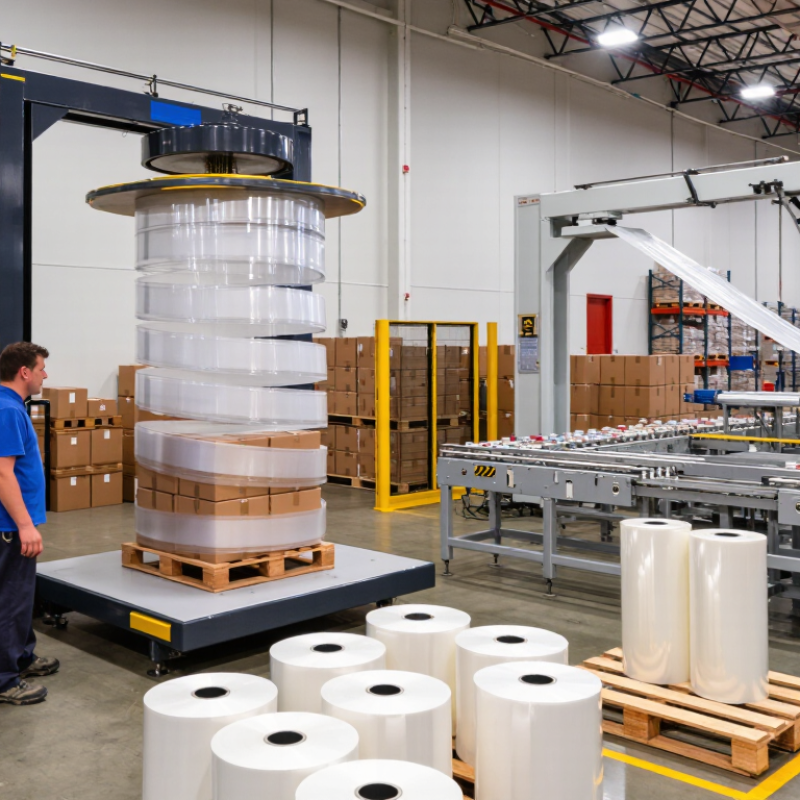
Consider a pallet of boxed goods. The operator places it on the turntable, secures the film, and starts the cycle. The film stretches around the load, layer by layer. Done well, the wrap helps limit shifting and surface damage. Done poorly, it can crush cartons, waste film, or leave unstable corners. Small details matter.
Packaging-line specialist Alex Morgan offers this editorial composite, not a verified quotation: “A wrapping machine is only effective when its settings match the product and the load.” That distinction is worth keeping in mind. Machine speed alone does not define performance. Film tension, overlap, load shape, and operator training all influence the result. There is no single setup for every product.
This guide explains common wrapping-machine types, their uses, and the factors that shape selection. It also considers maintenance and practical operating limits. A machine can improve consistency. It cannot correct every packaging problem. The load itself still needs attention.
What a Wrapping Machine Is
A wrapping machine applies a protective or stabilizing layer around a product, bundle, or pallet. Depending on its design, it may stretch film around a load, shrink film with controlled heat, or fold and seal paper. Its purpose is to hold items together, limit exposure to dust and handling, and prepare them for storage or transport. Not every wrapper packages individual products; pallet wrappers secure stacked cartons to a pallet. That distinction matters.
PMMI’s 2024 State of the Industry report estimates U.S. packaging machinery shipments at about $10.9 billion in 2023. This figure covers many equipment types, not wrapping machines alone, so it indicates the sector’s scale rather than wrapper sales. In practice, the right machine depends on load shape, wrapping material, line speed, and whether workers load items manually. A machine can improve consistency, but poor film tension or an uneven pallet can still cause tears or unstable loads. Real operating conditions can be messier than a product description suggests.
Tips: Test the wrapper with both small and large loads you actually ship. Check film tension and corner protection on a full pallet before setting routine speeds.
Materials and Products Used in Wrapping
Wrapping machines use different materials depending on the product, its shape, and how it will be stored or shipped. Stretch film clings around cartons and pallet loads, helping keep items together during transport. Shrink film fits closely after heat is applied, making it useful for multipacks, boxed goods, and rigid containers. Paper can wrap books, household items, or parcels when cushioning and a clean presentation matter. Foil and laminated films are used when a product needs a stronger barrier against light, moisture, or air. Each material behaves differently.
The products being wrapped range from small trays and bottles to furniture and large pallet loads. A machine must accommodate the product’s weight, dimensions, surface, and sensitivity to pressure or heat. A thin film may work well for a stable carton but tear around sharp corners. Delicate items need gentler handling. Even a neat-looking wrap can be too tight, while a loose one may shift in transit. Operators often check seal strength, film tension, and package appearance during setup. A short trial run helps reveal problems before full production. There is no perfect material for every product; packaging choices sometimes need revisiting as storage or shipping conditions change.
Common Types of Wrapping Machines
What Is a Wrapping Machine Used For?
Common Types of Wrapping Machines
Wrapping machines secure products or loads with film, paper, or another flexible material. The right type depends on the item’s shape, production speed, and handling needs. A machine that suits a warehouse pallet may be far too large for small retail goods.
Stretch wrapping machines wind elastic film around cartons or palletized loads. The film clings to itself, helping stabilize boxes during storage and transport. Turntable models rotate the load, while rotating-arm models keep heavier or less stable loads still. Consistent film tension matters. Too little can leave cartons loose; too much may crush their corners.
Shrink wrapping machines seal film around products, then use heat to make it fit closely. They often package multipacks, printed materials, or boxed goods. Flow wrappers form a sealed film tube around individual items, such as bars or small household products. Orbital wrappers rotate film around long or irregular items, including pipes and furniture components. Each design has limits. A neatly wrapped sample does not always predict performance on a busy line.
Before choosing equipment, check package dimensions, output targets, and available floor space. Film changes and routine cleaning also affect daily operation. A common oversight is judging a machine by speed alone; feeding and sealing steps can create bottlenecks. Test representative products, including awkward shapes and full loads, before settling on a configuration.
Industries That Use Wrapping Machines
Food and beverage plants use wrapping machines to secure cartons, trays, and pallet loads. A stretch wrapper turns film tightly around stacked cases, helping prevent shifting during storage and transport. The need is substantial: PMMI’s 2023 State of the Industry report put U.S. packaging machinery shipments at about $10.9 billion in 2022. That figure covers many machine types, not wrapping machines alone, but it shows the scale of industrial packaging investment. In food facilities, operators must also consider product cleanliness, cold-room conditions, and film tension. A tight wrap is useful; excessive tension can crush lighter cartons.
Warehousing, logistics, agriculture, and building-materials manufacturers use wrappers to stabilize loads with uneven shapes or long journeys ahead. Pallet wrappers commonly secure produce boxes, paper goods, and bundled lumber, while smaller systems wrap individual products. Pitney Bowes’ 2023 Parcel Shipping Index reported 21.2 billion U.S. parcels in 2022, underscoring the volume moving through distribution networks. Wrapping does not replace careful pallet stacking or suitable cartons. It is one control in a larger handling process. For fresh food, the stakes are also clear: FAO estimated that 13.2% of food was lost after harvest and before retail in 2021. Wrapping cannot solve that loss by itself. Still, stable loads can reduce avoidable damage, though each operation needs to test its own film, load, and storage conditions.