What Is Tray Cable Used For?

Tray cable is built for organized power, control, and instrumentation wiring in industrial and commercial settings. Installed in cable trays, it can serve manufacturing lines, utility areas, and building systems where many circuits follow a shared route. The tray supports and organizes the wiring; the cable’s listing and construction determine where it can be used. That distinction is easy to miss.

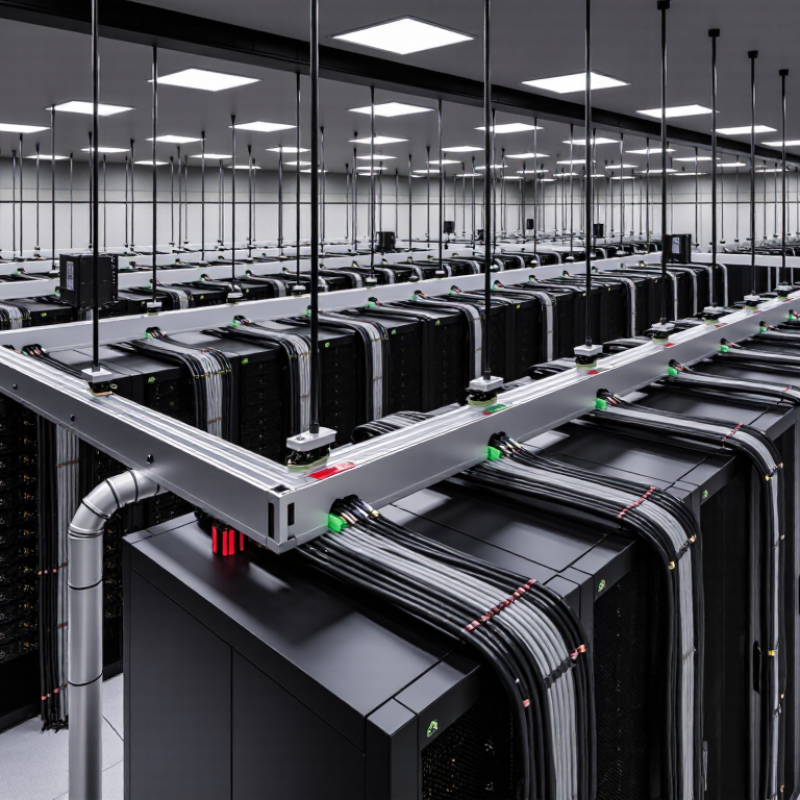
The need for reliable electrical infrastructure is growing in data centers. Lawrence Berkeley National Laboratory’s 2024 United States Data Center Energy Usage Report estimates that U.S. data centers used about 176 terawatt-hours of electricity in 2023, roughly 4.4% of national use. That figure does not measure tray cable demand, but it shows the scale of facilities that depend on carefully planned power and control pathways. In a server room, those pathways may run above equipment racks, with labeled cables branching toward power and monitoring systems.

Whether tray cable is suitable depends on its ratings, the installation environment, and applicable electrical requirements. The National Electrical Code’s Article 392 addresses cable-tray systems, while NEMA VE 2 provides installation guidance. Project teams should verify the cable marking, tray design, and local code requirements before specifying a product. Dust, moisture, heat, vibration, and future access can all affect the choice. A tray can look tidy and still be poorly planned. Knowing what tray cable is used for helps designers and installers select wiring that fits the actual job, not just the drawing.
What Is Tray Cable Used For?

What Tray Cable Is and How It Is Constructed

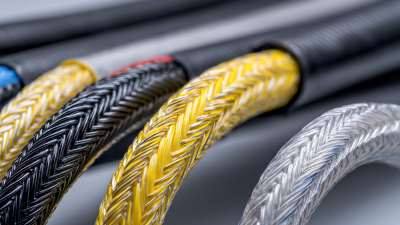
Tray cable is a factory-assembled electrical cable designed for installation in cable trays and other approved wiring pathways. Its construction brings several insulated conductors together beneath one protective outer jacket. Conductors are commonly stranded copper or aluminum; insulation and jacket materials vary with temperature, moisture, sunlight, and chemical exposure. A cut end reveals the layers: metal strands, colored insulation, possible fillers, then a tough outer sheath. Simple to inspect, but not foolproof.

For many power and control applications, Type TC cable carries a 600-volt rating. NFPA 70 (2023), Articles 336 and 392, covers Type TC cable and cable-tray installation. UL 1277 sets performance requirements for power and control tray cables. These references matter because “tray cable” alone does not confirm suitability for every location. Check the cable’s printed markings, temperature rating, conductor size, and any required exposure or sunlight resistance. A jacket that looks robust may still be wrong for a hot, wet, or outdoor run.

Tips: Match the cable marking to the installation conditions before pulling it. Keep cut ends clean, and inspect the jacket for nicks near tray edges. One missed scrape can undermine an otherwise careful installation.

How Tray Cable Is Installed in Cable Tray Systems

What Is Tray Cable Used For?
How Tray Cable Is Installed in Cable Tray Systems

Tray cable carries power and control circuits through industrial and commercial spaces. In a tray system, cables sit on ladder-style or solid-bottom supports rather than running individually through conduit. The arrangement can make routing and inspection easier, especially across long equipment rooms. Cable construction and permitted uses vary, so check the cable markings and project requirements before installation. Small details matter.

Installers typically plan the route, confirm tray capacity, and check bend limits before pulling cable. They clear sharp edges, then guide the cable smoothly through turns to avoid jacket damage. Keep the pull controlled. Cables should be supported and secured as the design requires, without crushing them with ties. Maintain separation from heat sources and other services where specified. No single spacing rule fits every run. Grounding and bonding depend on the system design and applicable electrical requirements, so qualified personnel should verify them. A tidy tray can still conceal a tight bend or an overloaded section; inspect the full route, including corners and vertical drops, before energizing.

What Is Tray Cable Used For? — How Tray Cable Is Installed in Cable Tray Systems
Use or Installation Stage Typical Cable or Circuit How It Is Used Installation Considerations
Industrial power distribution Listed tray cable with power conductors Supplies power to equipment such as motors, pumps, and production machinery. Confirm the cable’s voltage, conductor size, temperature rating, and environmental suitability match the circuit and installation.
Control circuits Multiconductor control cable Connects control panels, sensors, switches, and machine components. Identify conductors clearly and route control wiring to limit interference from nearby power circuits where required by the design.
Instrumentation and process signals Shielded instrumentation cable Carries low-level signals between instruments, transmitters, and control equipment. Use the specified shielding and grounding approach. Keep signal cables appropriately separated from power conductors according to project requirements and applicable codes.
Variable-frequency drive circuits Cable specified for the drive and motor installation Connects a variable-frequency drive to a motor in installations designed for that cable type. Check the drive and cable manufacturers’ guidance for shielding, grounding, voltage rating, and routing to manage electrical noise and stresses.
Site and environmental suitability Cable with ratings appropriate to the location Tray cable may be used in indoor or outdoor tray systems when its listing and ratings permit the conditions. Verify suitability for moisture, sunlight, chemicals, temperature, and any direct-burial or exposed-run use. Do not assume every tray cable is rated for every environment.
Before installation Selected cable and compatible cable tray Prepares the route for safe cable placement. Inspect the tray route for sharp edges, obstructions, adequate capacity, and completed bonding. Confirm the design and applicable electrical requirements before pulling.
Pulling and routing Cables installed along the tray route Places cable through the tray without damaging its jacket or conductors. Follow the cable manufacturer’s minimum bend radius and maximum pulling-tension limits. Use suitable rollers or guides and avoid dragging cable over sharp edges.
Supporting and securing Cables arranged in the tray as designed Keeps cables orderly and supported throughout the route. Use tray supports and cable restraints as required by the tray design, cable type, installation conditions, and applicable code. Avoid overtightening ties or creating concentrated loads.
Capacity and separation checks All cables sharing the tray Maintains an organized installation with suitable space for the cable types present. Check tray loading, fill, grouping, and separation against the project design and applicable code; requirements vary with the cable and installation.
Inspection and completion Installed tray cable system Confirms the installation is ready for testing and commissioning. Look for jacket damage, excessive bending, unsupported sections, loose hardware, and incomplete bonding. Perform required electrical tests before energizing.

Where Tray Cable Is Commonly Used

Tray cable is commonly used to carry power and control circuits through industrial and commercial buildings. In a factory, it may run above production lines, linking motor control panels to pumps, conveyors, and equipment. In a warehouse, tray routes can follow roof beams, keeping wiring accessible above aisles and loading areas. The cable tray supports the route; it does not replace the need to choose cable with suitable ratings. That distinction is easy to miss.

Water treatment plants, utility facilities, and process buildings also use tray cable for equipment connections and instrumentation. Outdoor sections may face rain, sunlight, temperature swings, or chemical exposure. The cable’s markings and construction should match those conditions, and the installation must follow applicable electrical requirements. Some cable types are approved for specific uses, while others are not. Check before installing. In data centers and large commercial buildings, tray systems can organize many circuits across long corridors, but power and communications cables may need separation. Layouts can look simple on a drawing and become crowded in real life. Leave room for access, support, and future changes.

What Is Tray Cable Used For? Where Tray Cable Is Commonly Used

Tray cable is commonly used to carry power and control circuits through cable tray systems in industrial and commercial settings. This chart gives a qualitative overview: “Common” means a typical application; “Conditional” means use depends on the cable’s listing, installation conditions, and applicable electrical codes.

Always check the cable markings and local code requirements. Not every tray cable type is suitable for wet locations, outdoor exposure, direct burial, or hazardous locations.

Key Types and Ratings of Tray Cable

What Is Tray Cable Used For?

Key Types and Ratings of Tray Cable

Tray cable carries power, control, or instrumentation circuits through cable trays in industrial and commercial facilities. Its construction helps organize multiple conductors along open support systems. The right type depends on the circuit, environment, and installation method. Small details matter.

Type TC is commonly used for power and control wiring, often with a 600-volt rating. TC-ER adds a permitted exposed-run application when its markings and installation conditions allow it. It is not a blanket approval for every unsupported span. PLTC cable is designed for power-limited control circuits and is commonly rated 300 volts. Instrumentation cable, including types marked ITC, serves signal circuits; check its specific rating and listing before use. These categories can overlap in appearance. That can be confusing.

Ratings describe more than voltage. Look for temperature limits, wet-location suitability, sunlight resistance, and oil resistance on the cable markings or product documentation. A tray may sit beneath a hot roof, near washdown areas, or beside machinery exposed to oil. The jacket must match those conditions. Conductor size and insulation temperature rating also affect allowable ampacity, which depends on installation details and applicable electrical requirements. I would not choose by cable name alone. Verify the exact markings and confirm the installation design with a qualified electrical professional.

How to Select Tray Cable for an Application

What Is Tray Cable Used For?
How to Select Tray Cable for an Application

Tray cable carries power, control, or instrument signals through cable trays in factories, processing plants, and commercial buildings. Selection begins with the circuit, not the tray. Confirm operating voltage, expected load, conductor size, and whether the cable feeds motors, sensors, or lighting. A motor circuit may need different sizing from a low-current signal run. Check equipment data and installation drawings. Small details matter.

Next, match the cable construction to its surroundings. Consider moisture, sunlight, temperature, oil, chemicals, vibration, and possible physical damage. A tray crossing a sunlit roof may need sunlight-resistant cable. A washdown area calls for suitable moisture resistance. Shielding can help protect sensitive signals from electrical interference. Check tray fill, cable grouping, and support spacing, since crowded trays can affect heat dissipation and ampacity. This is easy to overlook during a quick review.

Finally, compare cable markings and published ratings with the project specification and applicable electrical requirements. Confirm conductor material, insulation type, grounding conductor, and required flame or sunlight ratings. Don’t rely on a familiar designation alone; similar-looking cables can have different limits. If site conditions remain unclear, ask a qualified electrical professional to review the selection. A second check can prevent an avoidable mismatch.

Have Questions?

Talk to a product specialist today: 1-800-308-6788

Snake Tray Catalog

snake tray® CATALOG

the new catalog is here. AVAILABLE IN PRINT AND ONLINE.

DOWNLOAD A PDF REQUEST A PRINTED COPY
CALL US TODAY