What Are the Top Threaded Rod Types in 2026?
Threaded rod looks simple on a shelf: a long steel bar, continuous threads, and two ends ready for nuts. In service, the choice is less simple. Material, coating, diameter, thread pitch, and load conditions all affect performance. A rod suited to a dry indoor frame may not suit a damp exterior installation. Small details matter.
The market is growing, but broad figures need careful reading. Fortune Business Insights estimated the global fasteners market at USD 90.56 billion in 2023 and projected USD 139.83 billion by 2032. That report covers fasteners generally, not threaded rod alone. It signals wider demand, but it cannot tell buyers which rod type will fit a specific job. Standards such as ASTM A193 and ASTM A307 also show why grade and application deserve attention. They address different material and service requirements.
This guide compares common threaded rod types, including stainless steel, carbon steel, galvanized, and all-thread options. It will consider strength, corrosion exposure, finish, and practical selection trade-offs. One limitation should be clear: no verifiable, attributable quotation from a named threaded-rod expert was available for this introduction. Inventing one would weaken trust. The comparisons ahead should therefore be checked against current product data, applicable standards, and the conditions at the installation site. That is the unglamorous part. It is also where sound choices begin.
What a Threaded Rod Is and How It Works
What Are the Top Threaded Rod Types in 2026?
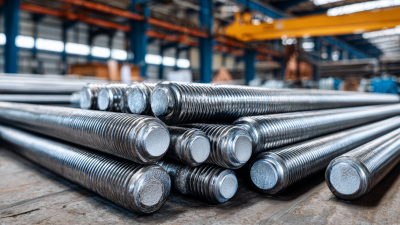
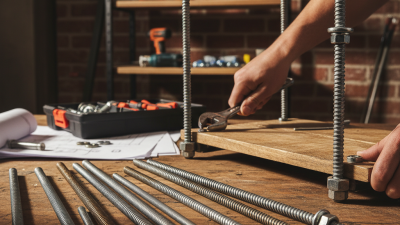
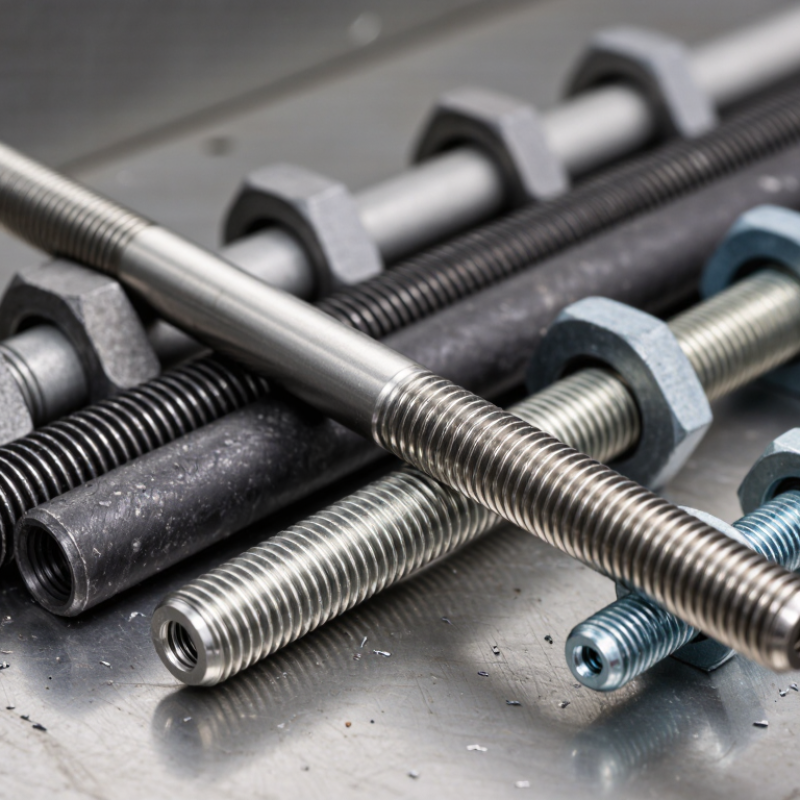
A threaded rod is a long metal fastener with continuous threads along its length. Unlike a bolt, it usually has no permanent head. It works with nuts, washers, or threaded holes to clamp, suspend, or join components. Tightening the nut creates axial tension in the rod. The washers spread pressure and help protect the connected surface. In practical work, alignment matters as much as strength. A slightly tilted rod can cause uneven loading and early loosening.
Common types in 2026 include carbon steel, stainless steel, galvanized steel, and brass threaded rods. Carbon steel suits many structural and general fastening tasks. Stainless steel resists moisture and corrosion in demanding environments. Galvanized steel adds a protective coating for outdoor use. Brass is useful where appearance and corrosion resistance matter more than maximum strength. Fully threaded rods offer flexible cutting and positioning. Double-ended studs work well when one end enters a tapped hole.
Tips: Check diameter, thread pitch, grade, length, and surface condition before installation. Match the nut to the rod’s thread standard. Do not rely on appearance alone. A bright finish does not always indicate higher strength. Use a torque wrench when the connection carries important loads. Inspect exposed threads for damage, cross-threading, or rust. I have seen small installation shortcuts create larger alignment problems later. The selection process is not perfect, especially when real loads differ from design assumptions. When uncertain, consult a qualified engineer and verify the applicable technical requirements.
Materials and Grades Used in Threaded Rods
What Are the Top Threaded Rod Types in 2026?
Material selection will remain the key decision for threaded rods in 2026. Carbon steel rods suit general framing, equipment mounting, and light structural work. ASTM A307 covers many low-strength applications, while ASTM F1554 grades 36, 55, and 105 support anchor-rod requirements. Higher loads often require ASTM A193 B7 alloy steel, especially near pressure equipment and elevated temperatures.
Stainless steel rods resist moisture, chlorides, and repeated cleaning. ASTM A193 B8 and B8M grades are common choices, with B8M offering stronger corrosion resistance through molybdenum. The U.S. Geological Survey reported global nickel mine production at about 3.6 million metric tons in 2023. Nickel remains important for many stainless alloys. The World Steel Association reported approximately 1.89 billion metric tons of crude steel production in 2023. That scale supports broad carbon-steel availability, but availability does not guarantee the correct grade. I have seen specifications chosen by appearance alone. That is risky.
Tips
Match the rod grade to load, temperature, and corrosion exposure. Check the test certificate, thread condition, and coating thickness. Zinc-plated steel may look durable, yet it can perform poorly in salt spray. Galvanized rods offer better outdoor protection, but damaged threads still need inspection. Consider ASTM F3125 or relevant project specifications when assemblies include structural connections. A small detail matters: nuts and washers should be compatible with the rod’s strength and coating. Need better documentation? Probably. Many projects still treat traceability as optional.
How Thread Patterns, Coatings, and Standards Differ
In 2026, threaded rod selection depends less on appearance and more on thread geometry, surface protection, and verified standards. Metric coarse threads offer faster assembly and better tolerance against dirt. Fine threads provide smaller adjustments and stronger clamping control. Unified coarse and fine patterns remain common in imperial applications. They are not interchangeable.
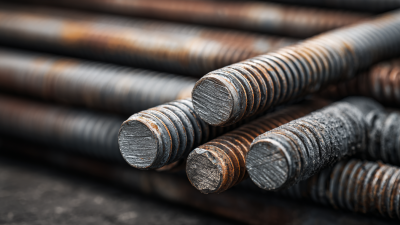
Coatings change performance in visible and hidden ways. Zinc plating suits dry indoor areas and light moisture, but it can lose protection after scratches. Hot-dip galvanizing creates a thicker barrier for outdoor exposure, although its rougher surface may affect nut engagement. Plain steel is easier to inspect, yet it needs controlled storage and a suitable finish. In demanding environments, corrosion testing should support the coating choice. A shiny surface proves very little.
Standards help convert claims into measurable requirements. ISO metric systems define thread dimensions, while ISO 898-1 supports mechanical property classification for carbon and alloy steel fasteners. ASTM specifications may define material, testing, or coating requirements in specific applications. Always check diameter, pitch, strength class, length, and certificate details together. I have seen clean-looking rods fail because the pitch was assumed rather than measured. That mistake is avoidable. Still, standards do not remove judgment. Temperature, load direction, installation torque, and chemical exposure can change the practical result. A specification may be correct on paper and unsuitable on site.
How to Choose the Right Threaded Rod for a Project
What Are the Top Threaded Rod Types in 2026?
Choosing the right threaded rod starts with the load, not the price. Fully threaded rods suit adjustable connections, suspended supports, and anchor assemblies. High-strength steel rods handle demanding structural loads when the design specifies them. Stainless steel rods resist moisture, salt, and many corrosive environments. Galvanized rods offer practical protection for outdoor framing and general construction. Their performance still depends on coating quality and site exposure.
Measure the required diameter and length before ordering. A longer rod is not automatically stronger. Check tensile and shear loads, thread engagement, washer size, and nut compatibility. Coarse threads install quickly and tolerate dirt better. Fine threads provide more adjustment and can improve tension control. Select the material and strength grade from verified test data, not a seller’s short description.
Think about the actual work area. A rod passing through a wet concrete wall needs corrosion planning. A ceiling support may need fire-rated hardware and a documented load path. I have seen projects fail during installation because the rod fit the drawing but not the available wrench clearance. No selection chart is perfect. Recheck assumptions.
For vibration, use suitable locking methods and inspect exposed threads for damage. Confirm relevant standards, certificates, and batch traceability before installation. When the application is critical, ask a qualified engineer to review the connection. Small details matter.
What Are the Top Threaded Rod Types in 2026?
Compare common carbon-steel threaded rod and anchor-rod specifications by their specified minimum tensile strength.
How to choose: Match the rod specification to the project’s required loads, connection design, and applicable code. ASTM F1554 grades are commonly specified for anchor rods; ASTM A307 Grade A is a general-purpose low-carbon steel specification. Tensile strength is not a substitute for checking yield strength, dimensions, corrosion exposure, or the full design requirements. Values shown are specification minimums; confirm the applicable standard and size.