Top 10 In-Vacuum Linear Motion Stages for Global Buyers?

In the rapidly evolving field of precision engineering, the In-Vacuum Linear Motion Stage plays a pivotal role. These stages are essential for applications requiring high accuracy in vacuum environments, such as semiconductor manufacturing and particle physics research. Their design allows for controlled movements while maintaining the integrity of the vacuum.

Choosing the right In-Vacuum Linear Motion Stage involves understanding various factors. Buyers must consider the load capacity, speed, and resolution of each stage. Some options may excel in one area but fall short in another. This balance is critical for achieving desired outcomes in complex applications.

Global buyers face numerous challenges when selecting these stages. Not every product meets stringent international standards. Furthermore, the choice often impacts the overall system performance. Therefore, making an informed decision is not just beneficial; it is necessary for success in demanding environments.
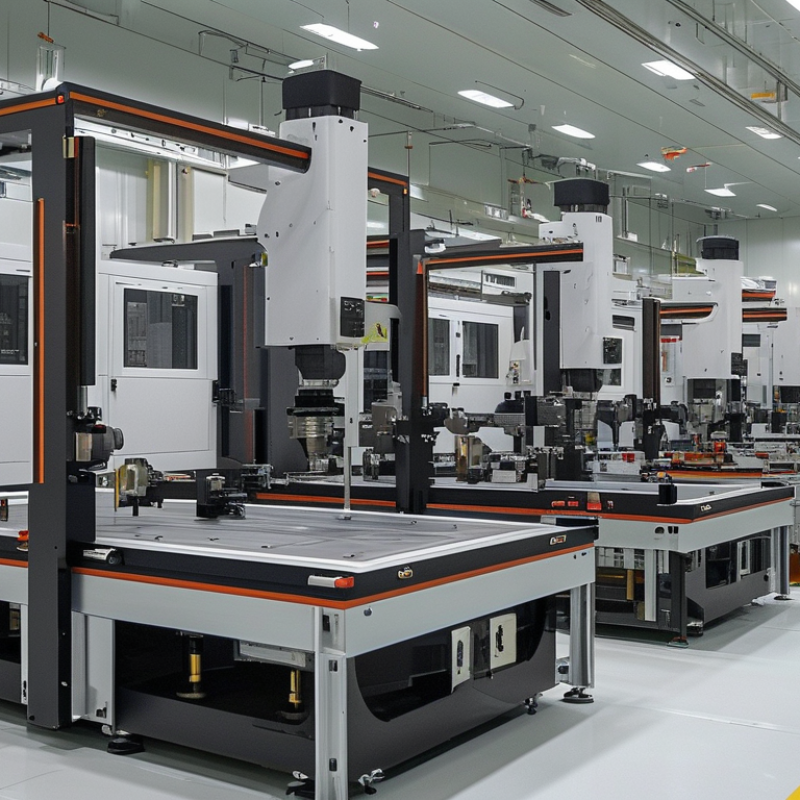
Top 10 In-Vacuum Linear Motion Stages for Global Buyers?

Overview of In-Vacuum Linear Motion Stages and Their Applications

In-vacuum linear motion stages are critical components in various precision applications. They are widely used in semiconductor manufacturing, material testing, and scientific research. The demand for these stages continues to grow, fueled by advancements in automation and technology. Reports indicate that the global market for linear motion systems is projected to reach over $20 billion by 2027, reflecting a compound annual growth rate (CAGR) of 5.7%.

These stages operate under vacuum conditions, where traditional components may fail or malfunction. Materials must be carefully selected for low outgassing rates. This ensures that no contaminants interfere with sensitive processes. Applications such as electron microscopy and particle accelerators require these specialized components to achieve precise movement and high reliability.

However, challenges persist in the design and integration of these systems. For instance, achieving optimal performance can be difficult without accurate calibration. Engineers must balance speed, load capacity, and precision. Continued advancements in materials science and robotics will influence future developments. It's crucial for engineers to remain aware of these evolving dynamics to enhance their applications effectively.
Key Features to Consider When Selecting In-Vacuum Linear Motion Stages

When selecting in-vacuum linear motion stages, several key features must be taken into account. Accuracy is critical. Users should look for stages that guarantee high precision in movement. The resolution of the stage determines its effectiveness in applications that require fine control. It’s vital to evaluate not only the accuracy but also the repeatability of these systems.

Another essential aspect is load capacity. In-vacuum environments often involve delicate components. The stage must support the items being moved without risk of damaging them. Additionally, consider the thermal stability. Materials used should withstand the vacuum conditions without deforming. Some may find the trade-off between weight and strength challenging.

Lastly, vacuum compatibility of materials is paramount. Stages made from materials that outgas can compromise vacuum integrity. End-users frequently overlook this aspect, leading to potential failures. The design of the stage affects its maintenance too. Accessibility for maintenance is often a future concern that many forget to investigate at the outset. It's worth pondering how comfort in use now may affect long-term operations.

Top Manufacturers and Suppliers of In-Vacuum Linear Motion Stages

In-vacuum linear motion stages play a crucial role in various industries, particularly in research and manufacturing sectors. The design and functionality of these stages are vital for precise movements. Companies that specialize in manufacturing these components have honed their expertise. They offer unique solutions tailored to specific applications, ensuring reliability in vacuum environments.

Many top manufacturers focus on quality and innovation. They provide a wide range of products that cater to different requirements. Their expertise often comes from years of experience in the field. Collaborations with academic institutions and research facilities enhance their credibility. Vendors also prioritize the material composition of their products, using advanced, durable materials that withstand extreme conditions.

However, not all manufacturers meet the expectations of their clients. Some might compromise quality for cost-effectiveness. This aspect raises concerns about performance and reliability. It is essential for buyers to conduct thorough research. Understanding the capabilities and limitations of available options is crucial. Making informed decisions helps in selecting the right supplier for in-vacuum linear motion stages.

Comparative Analysis of the Top 10 In-Vacuum Linear Motion Stages

In the realm of precision engineering, in-vacuum linear motion stages play a crucial role. These components facilitate accurate movement in research and industrial applications, particularly under vacuum conditions. A comparative analysis of the top ten stages reveals significant variations in design, functionality, and cost. Each stage has unique characteristics that cater to specific needs, making it vital for buyers to assess their requirements carefully.

The key metrics to consider include load capacity, travel distance, and control options. Many stages offer motorized control, which enhances automation. Others might provide manual adjustments, offering simplicity in operation. Reliability is non-negotiable; even minor failures can jeopardize entire experiments. It's essential to choose a product with a solid track record.

However, the analysis is not without challenges. Some stages may excel in one area while lagging in others. For instance, a stage with a high load capacity might have a limited travel range. Buyers must weigh these aspects to make informed decisions. Reflecting on the suitability of different stages allows for better investment in terms of both performance and longevity.

Top 10 In-Vacuum Linear Motion Stages

Future Trends and Innovations in In-Vacuum Linear Motion Technology

In-vacuum linear motion stages are crucial in various high-tech fields. They allow precision movements in environments where contamination control is vital. Recent reports indicate that the demand for these technologies is increasing rapidly. The global market is expected to grow by 7% annually over the next five years, driven primarily by advancements in semiconductor manufacturing and scientific research.

Innovations in in-vacuum technologies focus on improved materials and designs. For example, the introduction of ultra-lightweight composites enhances the performance of motion stages. These materials reduce inertia, enabling faster response times. Simultaneously, new lubrication methods are being developed to ensure smoother operations under extreme conditions. These innovations may not be devoid of challenges, as engineers face difficulties in scaling and reliability.

Moreover, automation integration is a significant trend. Incorporating sensors and AI allows for smarter control systems, improving accuracy and reducing human error. However, challenges remain regarding data integrity and cybersecurity. The implementation of advanced technologies must consider these factors to maintain reliability in critical applications. The balance between innovation and practical application continues to require thoughtful exploration.

Have Questions?

Talk to a product specialist today: 1-800-308-6788

Snake Tray Catalog

snake tray® CATALOG

the new catalog is here. AVAILABLE IN PRINT AND ONLINE.

DOWNLOAD A PDF REQUEST A PRINTED COPY
CALL US TODAY