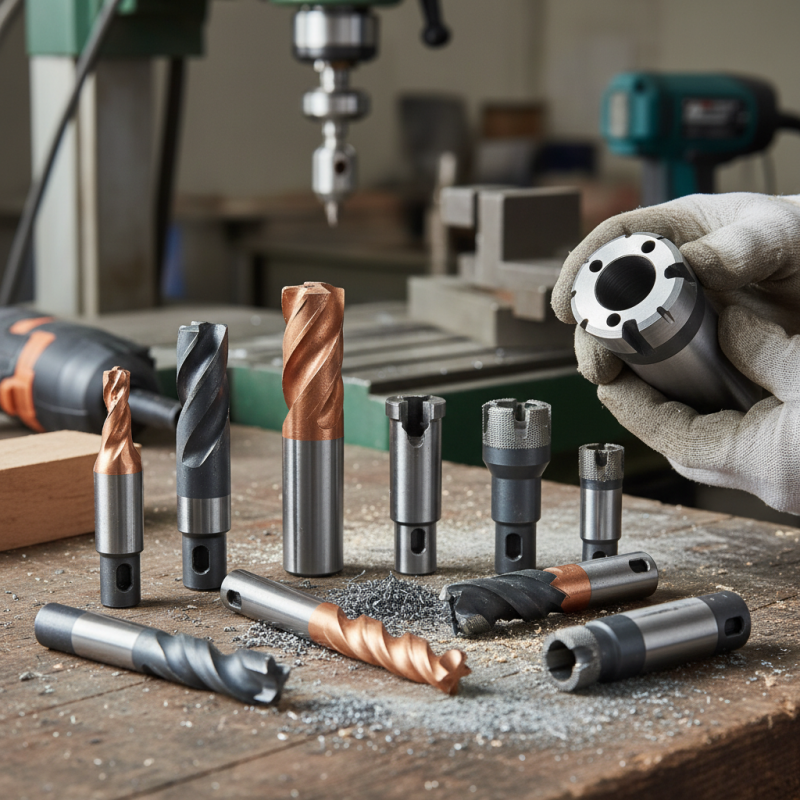
Top 10 Hollow Bit Uses and Benefits You Need to Know?
In various fields, the Hollow Bit is an essential tool. Its versatility makes it a favorite among professionals. With a unique design, it allows for efficient drilling and clean removal of materials.
This article explores the top ten uses and benefits of the hollow bit. Whether in woodworking, metalworking, or construction, its applications are vast. From creating precise holes to enhancing tool life, the hollow bit proves its worth time and again.
However, not every experience with a hollow bit will be flawless. Users may face challenges such as bit jamming or uneven drilling. These issues highlight the importance of proper technique and selection. Understanding these factors can make all the difference in achieving quality results.
Top 10 Applications of Hollow Bits in Various Industries
Hollow bits have gained popularity across different industries for their unique functionalities. In construction, they excel in drilling through various materials. Their design allows for better debris removal, ensuring smoother operation. Many workers find hollow bits easier to handle, especially in tight spaces. The width and length can be adjusted for different tasks, enhancing versatility.
In the manufacturing sector, hollow bits are often used for creating precise holes in metal sheets. This precision leads to less material waste, which is crucial. Some operators may struggle with the intricacies of using these bits correctly. Proper training can mitigate this issue.
Additionally, in the woodworking industry, hollow bits are favored for making clean, neat cutouts. They add finesse to crafting furniture and cabinetry. However, not all artisans are comfortable with these tools, leading to inconsistent results.
Another area of application includes plumbing, where hollow bits facilitate pipe installations. The ability to create smooth, uninterrupted holes is essential. This reduces the chance of future leaks. Some plumbers, however, may miss the mark in choosing the right size.
In electrical work, hollow bits assist in routing cables efficiently. Ensuring that the right bit is used is vital for safety. Users must constantly adapt and refine their techniques, which can be challenging yet rewarding.
Exploring the Benefits of Using Hollow Bits for Precision Drilling
Hollow bits are essential in precision drilling, offering numerous benefits for various applications. Their design allows for the removal of debris while drilling, resulting in cleaner and more efficient hole-making. This efficiency is crucial for projects requiring accuracy, such as woodworking or metal fabrication. The internal channel in hollow bits permits coolant flow, reducing heat and prolonging the life of the bit.
When using hollow bits, there are a few tips to keep in mind. Ensure the bit is compatible with your drill, as improper fit can affect performance. Regular maintenance is also key; clean the bits after use to prevent residue buildup. If you notice any wear, replace them promptly to avoid compromising your work.
Precision is paramount. Misalignment can cause errors, affecting the final product. You might need to adjust your technique if you encounter difficulties. Check your angles and speed periodically. Trust your instincts; drilling may not always go as planned, and adapting is part of the process.
Comparative Analysis: Hollow Bits vs. Solid Bits in Performance
When comparing hollow bits and solid bits, performance varies significantly. Hollow bits are designed to remove material from the center while drilling, which enhances speed and efficiency. They create a clean hole with a reduced risk of overheating. Solid bits, on the other hand, excel in stability and strength under tough conditions. They work well for materials requiring a sturdy tool but can be slower.
Efficiency is crucial in many projects. Hollow bits can help save time and energy. Their design allows for easy chip removal, minimizing friction. However, they sometimes struggle with dense materials. Solid bits deliver consistent results, especially in hard surfaces. The lack of internal space can result in quicker wear, though.
Ultimately, choosing between hollow and solid bits depends on specific tasks. Each has benefits and downsides. Hollow bits may require more maintenance due to their complex structure. Solid bits can underperform in speed but may offer longer service life. Testing both can reveal which is best for your needs.
How Hollow Bits Enhance Efficiency in Woodworking Projects
Hollow bits are essential tools in woodworking that enhance efficiency. They are designed to create clean holes in wood without leaving behind debris. This unique feature saves time during cleanup. Many professionals find that using hollow bits allows for precise drilling. This precision reduces the chances of errors in projects.
These bits can be particularly helpful for creating dowel holes or joinery. They help in aligning pieces perfectly. When working on intricate designs, the hollow bit's design minimizes tear-out. However, users sometimes struggle with choosing the right size. A poorly sized bit can lead to frustrated attempts to fit joints together.
Understanding how to use hollow bits properly takes practice. New users might find it challenging to control the depth of their holes. Adjusting the bit’s position is crucial. Finding the right speed makes a significant difference too. Sometimes, users rush and end up with uneven results. Taking the time to set up correctly can enhance overall project quality. Embracing these challenges will lead to noticeable improvements in woodworking skills.
Top 10 Hollow Bit Uses and Benefits You Need to Know
| Use Case | Benefits | Materials Suitable |
| Drilling Deep Holes | Allows for deep drilling without removing the bit from the workpiece. | Softwoods, hardwoods |
| Creating Dowels | Ideal for making precise dowels for joints. | Plywood, solid wood |
| Mortising | Simplifies mortise cuts for joinery. | Hardwoods, softwoods |
| Cleaning Out Old Fasteners | Effectively removes screws and bolts embedded in wood. | Various wood types |
| Inlay Work | Facilitates the installation of inlays for decorative designs. | Exotic woods, composites |
| Creating Ventilation Holes | Used for drilling ventilation in cabinetry or flooring. | Natural wood, engineered wood |
| Installing Electrical Outlets | Perfectly sizes holes for electrical box installations. | Softwoods, particleboard |
| Cable Management | Creates holes for routes of cables and wires. | General wood types |
| Furniture Assembly | Facilitates accurate joining for furniture pieces. | All types of wood |
| Test Drilling | Allows to test drilling depths before permanent holes. | Softwood, hardwood |
Safety Considerations When Using Hollow Bits in Construction Tasks
When using hollow bits in construction tasks, safety must be your top priority. According to industry data, more than 30% of workplace accidents happen due to inadequate tool safety measures. Hollow bits can be dangerous if not handled properly. Always check for wear and tear before use. Frayed bits can cause misalignment, leading to severe injuries.
Tip: Wear appropriate personal protective equipment (PPE) such as gloves, goggles, and hard hats. This can reduce injury risks significantly. Statistics show that proper PPE reduces potential injuries by 50%.
Be mindful of your surroundings. Ensure that the work area is clear of obstructions. Missteps can lead to accidents or project slowdowns. Many workers might overlook securing the workpiece properly. This oversight can transform a simple task into a disaster.
Tip: Use clamps or vises to stabilize the material. It’s a small step that leads to greater precision and safety. Remember, a moment of carelessness can result in costly mistakes.