Electric tricycles are moving from niche transport into practical urban mobility. The International Energy Agency reported more than 14 million electric car sales worldwide in 2023. That figure does not measure tricycles directly, but it shows accelerating consumer acceptance of electric transport. NACTO’s 2023 Shared Micromobility Report recorded 157 million shared micromobility trips in the United States and Canada. The direction is clear.
This guide examines the top Electric Trike Scooter suppliers worldwide through a buyer’s lens. Supplier reputation matters, but product evidence matters more. We will consider battery chemistry, motor output, payload capacity, braking performance, weather protection, spare-parts access, and warranty support. A delivery trike may face steep ramps, wet streets, and repeated loading every day. A mobility model may need low step-through access, stable handling, and a comfortable seat.
Standards provide useful checkpoints. UL Solutions identifies UL 2849 as a safety standard for electrically powered bicycles and related systems in North America. In Europe, EN 15194 addresses electrically assisted cycles and key safety requirements. These standards do not automatically prove every supplier is reliable. They create a stronger basis for comparison. The market is not perfectly transparent. Some published range claims are optimistic, especially under heavy loads or cold weather. That deserves scrutiny.
Our supplier review combines industry reports, technical documentation, manufacturing experience, and customer-service signals. We also recognize an uncomfortable limitation: factory scale can look impressive while local support remains weak. The best supplier is not always the largest. It is the partner that delivers consistent quality, honest specifications, compliant products, and dependable assistance after purchase.
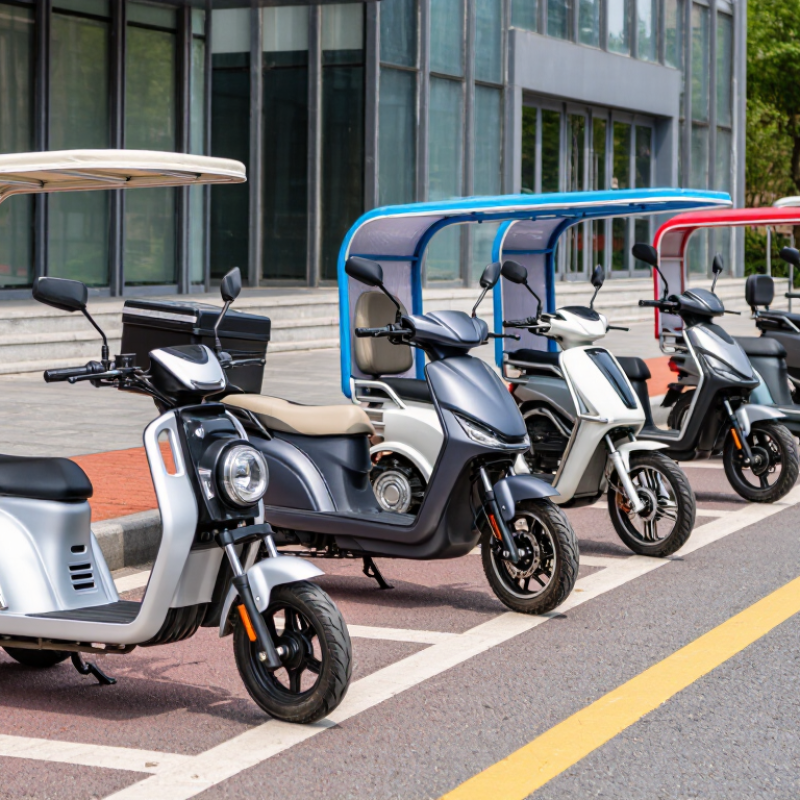
An electric trike scooter is a three-wheeled vehicle powered by a rechargeable battery and electric motor. It combines scooter controls with a wider, more stable rear structure. The third wheel improves balance during slow turns and parking. Some models support personal transport, while others carry groceries or light cargo.
Design begins with the frame. A low step-through platform makes mounting easier, while a broad rear axle supports steadier movement. Stability matters. Engineers should also manage weight carefully, because an oversized battery can make steering tiring. Useful features include mechanical or hydraulic brakes, adjustable seating, suspension, bright lighting, and a clear battery display. Battery placement affects handling, especially on slopes or uneven pavement. Controls need simple labels and comfortable reach.
For buyers comparing suppliers worldwide, technical evidence matters more than attractive photos. Ask for motor output, battery capacity, charging time, maximum load, wheel dimensions, and tested range. Request maintenance guidance and spare-part availability. Check whether the frame, brakes, and electrical system have suitable regional certifications. Real-world trials can reveal harsh vibration, limited turning space, or uncomfortable seats. No design is perfect. Heavy frames may feel secure but reduce portability, while compact models can sacrifice storage. Supplier claims should be compared with independent test results and clear warranty terms.

Top Electric Trike Scooter Suppliers Worldwide
Evaluating electric trike scooter suppliers requires more than comparing online prices. Check the frame material, weld quality, braking system, motor output, and battery protection. A reliable supplier should provide clear test records and explain how performance changes on slopes, wet roads, and uneven pavement.
Request a working sample before placing a large order. Measure its real range with a rider, cargo, and normal tire pressure. Brochure figures can be optimistic. I have found that some advertised ranges fall sharply in cold weather or on hills. That detail should not be ignored. Ask for battery cell information, charging time, replacement costs, and warranty terms. Suppliers with technical staff usually answer these questions precisely, not vaguely. They should also provide spare-part availability and repair guidance for local technicians.
Tips: Compare at least three suppliers. Inspect welds closely. Confirm load ratings in writing. Ask for production photos, inspection reports, and shipping records. Review the warranty exclusions carefully. A low unit price may hide expensive batteries, weak controllers, or delayed parts. Check whether the supplier can adapt seat height, cargo space, or control layout without reducing safety. Do not rely on polished videos alone. An independent inspection is useful, although it adds time and cost. That extra step may prevent a much larger mistake.
| Evaluation dimension | Weight | What to verify | Evidence to request | Score |
|---|---|---|---|---|
| Product and application fit | 15% | Confirm that the trike configuration, seating, cargo arrangement, controls, and intended terrain match the buyer’s use case and destination-market requirements. | Current specification sheet, configuration drawings, user manual, and a list of available options. | ___ / 5 |
| Performance and range substantiation | 15% | Assess motor rating, speed settings, gradeability, braking, and claimed range. Range depends on factors such as load, terrain, temperature, speed, and assist level, so compare results only under stated test conditions. | Test protocol and results with test conditions disclosed; sample-unit demonstration or independent test report where available. | ___ / 5 |
| Safety and market compliance | 20% | Check that applicable product, electrical, road-use, and labeling requirements have been identified for the intended sales markets. Confirm that any cited standard or certification covers the exact model and configuration. | Model-specific test reports, certificates or declarations where applicable, product labels, and a written compliance matrix for each target market. | ___ / 5 |
| Battery and charging documentation | 15% | Verify battery voltage and capacity, charger compatibility, battery-management protections, replacement availability, and safe handling instructions. For lithium batteries shipped internationally, check transport documentation against applicable requirements. | Battery and charger specifications, safety documentation, traceable test records, and a UN 38.3 test summary when required for lithium-battery transport. | ___ / 5 |
| Manufacturing quality controls | 10% | Review incoming-part checks, assembly inspection, end-of-line testing, defect handling, and traceability. A quality-system certificate should be checked for its scope and validity. | Quality procedures, sample inspection records, corrective-action process, production traceability example, and relevant quality-system certificates if claimed. | ___ / 5 |
| Production capacity and lead-time reliability | 10% | Compare the supplier’s stated capacity and lead time with the requested order volume, seasonal demand, component availability, and agreed delivery schedule. | Capacity plan, production schedule, component lead-time assumptions, and references or records supporting on-time delivery claims. | ___ / 5 |
| Warranty, parts, and technical support | 10% | Review warranty coverage and exclusions, response process, diagnostic support, spare-parts availability, and the process for handling safety-related issues. | Written warranty terms, parts list with ordering details, service documentation, and a defined support contact and escalation process. | ___ / 5 |
| Commercial terms and export readiness | 5% | Compare quotations on the same configuration and delivery basis. Check payment terms, packaging, shipping responsibilities, documentation, and any costs excluded from the quotation. | Itemized quotation, agreed trade and delivery terms, packaging details, export-document checklist, and sample commercial documents. | ___ / 5 |
| Total weighted evaluation | 100% | Score each dimension from 0 to 5, then multiply by its weight to compare suppliers consistently. | ___ / 5 | |
Evaluation note: Request evidence for the exact model, battery, and configuration being quoted. Requirements vary by destination market; verify applicable rules with the relevant authorities or a qualified compliance specialist.
Leading electric trike scooter suppliers worldwide serve different needs, from urban commuting to warehouse transport. Their strongest advantage is practical design, not flashy advertising. Buyers often look for stable three-wheel frames, sealed battery compartments, adjustable seats, and clear service support.
Reliable suppliers explain motor ratings, charging times, payload limits, and expected battery cycles. They also provide manuals, spare-part lists, and product test records. Experienced procurement teams should request sample units before placing large orders. A short test ride can reveal steering resistance, brake response, and uncomfortable vibration.
Look closely at frame welds. Inspect the charger. Ask about local compliance requirements, warranty procedures, and technician training. Suppliers with regional service partners may reduce repair delays and shipping costs. However, delivery promises are not always precise. Seasonal demand, component shortages, and customs inspections can change schedules. This deserves honest discussion.
The best supplier is not always the cheapest. A low purchase price may hide weak batteries or limited parts availability. Some suppliers also need stronger documentation and clearer English instructions. That is a problem worth identifying early. Check turning space, ramp performance, lighting, and rider visibility in real conditions. Rainy roads and uneven pavements expose weaknesses that showroom floors rarely show.
Choosing electric trike scooter suppliers requires more than comparing prices. Manufacturing experience matters. Reliable suppliers can show battery test records, frame fatigue results, and production quality procedures. Ask how often they inspect welds and controllers. A polished catalog is not enough.
Product capability varies widely. Some suppliers focus on compact three-wheel scooters for urban travel. Others build cargo models with reinforced rear platforms and larger motors. Compare payload ratings, turning radius, battery capacity, charging time, and weather protection. Check whether replacement parts are available for at least several years. Small details matter. A loose connector can stop daily deliveries.
Market experience also shapes supplier value. Exporters serving dense cities may understand parking limits and narrow streets. Suppliers serving rural areas may offer stronger suspension and longer-range batteries. After-sales support should include manuals, diagnostic guidance, and technician training. Response time matters when a fleet is operating far from the factory. My comparison is not perfect. Supplier websites often present ideal conditions, while real performance changes with hills, cold weather, rider weight, and road quality. Request sample units and speak with existing commercial users before making a large order. Reliability is proven through records, practical testing, and honest answers about product limitations.
Regulatory thresholds shape the products suppliers can offer in different markets. The EU EPAC definition sets a 250 W maximum continuous rated power; the U.S. federal definition of a low-speed electric bicycle sets a 750 W maximum. U.S. state rules may differ, and these thresholds are not trike-specific product ratings.
Electric trike scooters are moving beyond novelty into practical short-distance transport. Suppliers are adapting designs for older riders, delivery workers, and people who need extra stability. Three wheels can feel reassuring on a wet pavement or while carrying groceries, though they do not remove the need for careful handling. A wider turning circle matters in narrow lanes.
Battery development is shaping product choices. Buyers increasingly ask about usable range, charging time, replaceable battery packs, and performance in cold weather. A supplier’s stated range is only a guide; rider weight, hills, tire pressure, and frequent stops can change it. Real-world testing matters. So does clear service documentation. Some product listings still give too little detail about long-term battery support, which makes comparison harder.
Manufacturers are also refining adjustable seats, accessible controls, lighting, and weather protection. These details may matter more than a dramatic top-speed figure for daily use. Connected displays and fleet-tracking tools are appearing in some commercial models, but added electronics can complicate repairs. Simpler can be better. For international suppliers, the challenge is balancing local preferences with consistent quality, spare-parts access, and dependable after-sales support. That balance is not always achieved, and buyers should examine warranty terms as closely as the vehicle itself.
Fill out the form below and our team will get back to you ASAP.
Snake Tray® is Green and Proudly Powered by the Sun! Snake Tray is committed to designing and manufacturing products that have many green benefits. Our products are made of recycled goods, minimize material waste, are energy efficient, use less non-renewable resources and nest together read more…
Snake Tray® 291 Skip Lane, Bay Shore NY 11706 | PHONE: 631-674-0004 | FAX: 631-674-0010 | www.bakoselectric.com | LEGAL | MADE IN USA
© 2025 SnakeTray. All rights reserved
Fill out the form below to download your document.