As we look ahead to 2026, the significance of Solar Storage systems continues to grow. These systems are revolutionizing the energy landscape. With rising energy costs and demand for sustainability, solar storage offers tangible benefits.
Solar storage provides energy resilience. Users can store excess energy from sunny days. This stored energy can then power homes during outages or at night. Financial savings are also notable. Homeowners can lower their electricity bills while reducing dependence on the grid.
However, it’s important to reflect on some challenges. Initial costs can be high. Not everyone can afford the upfront investment. Additionally, efficiency varies by technology. These aspects raise questions about accessibility and equity. Yet, the benefits often outweigh these concerns, paving the way for a greener future.
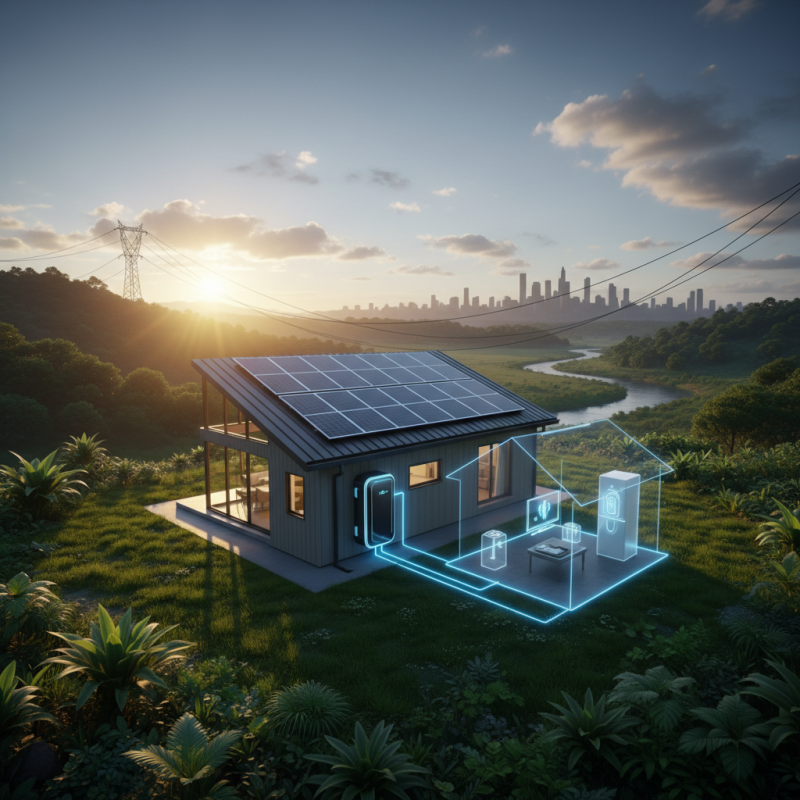
As solar technology evolves, the integration of solar storage systems presents clear financial advantages. By storing excess energy, solar systems can significantly reduce monthly energy expenses. According to a recent report from the Energy Storage Association, households with solar storage can save up to 30% on their electricity bills. This is especially significant in regions with high utility rates.
Moreover, solar storage helps mitigate peak hour costs. Electricity prices tend to spike during high-demand times. By using stored energy during these periods, homeowners can avoid inflated rates. A 2023 analysis revealed that users of solar storage systems in urban areas benefited from an average savings of $500 annually. This financial relief can make a substantial difference in household budgets.
However, the initial costs of solar storage systems can be a barrier. Not everyone can afford the upfront investment needed for installation. This leads to mixed feelings about their overall value. The potential savings must be weighed against these initial financial hurdles. Future advancements and government programs may help ease these concerns, making solar storage more accessible.

In 2026, enhanced energy independence through solar storage solutions is a game changer. With recent studies indicating that over 70% of homeowners are interested in solar storage, this trend is undeniable. Solar storage systems empower individuals to harness renewable energy. They reduce reliance on the grid, especially during outages. In fact, data from the International Energy Agency shows that regions utilizing these systems experience a 30% increase in energy resilience.
Moreover, these systems allow users to store excess solar power for later use. This capability can save families significant amounts on electricity bills. Reports suggest that homeowners can reduce their reliance on traditional energy sources by up to 40%. However, the initial costs of installation can be daunting, deterring some potential users. The technology also requires ongoing maintenance, creating a need for regular investment.
Despite these challenges, the benefits of energy independence cannot be overlooked. Homeowners who adopt solar storage are often more proactive in managing their energy consumption. They contribute to a cleaner environment and enhance their property value. As systems evolve, more people will likely embrace this energy freedom. Yet, the question remains: are the financial benefits enough to outweigh the hurdles in adoption?
| Benefit | Description | Impact on Energy Independence |
|---|---|---|
| Energy Storage | Stores excess solar energy for use during non-sunny periods. | Increases self-sufficiency by reducing reliance on the grid. |
| Cost Savings | Reduces electric bills by using stored energy instead of grid electricity. | Lowers the overall cost of energy dependence. |
| Peak Demand Reduction | Helps in managing energy consumption during peak hours. | Minimizes reliance on non-renewable energy sources during high demand. |
| Environmental Impact | Reduces carbon footprint by using clean energy. | Enhances sustainability of energy consumption. |
| Energy Backup | Provides backup power during outages. | Ensures continuous power supply and independence from grid failure. |
| Grid Stability | Contributes to grid stability by reducing load. | Lessens strain on traditional energy systems. |
| Government Incentives | Opportunities for rebates and tax credits. | Reduces initial costs, boosting adoption rates. |
| Increased Property Value | Homes with solar storage can sell for higher prices. | Improves energy independence appeal for buyers. |
| Technological Advancements | Continual improvements in efficiency and storage capacity. | Supports greater independence through innovation. |
| Job Creation | Expansion of the solar industry leads to new jobs. | Strengthens local economies and energy independence. |
The push for solar storage systems is significant. In 2026, their environmental impact will be clearer. These systems reduce reliance on fossil fuels. According to a 2022 report by the International Renewable Energy Agency, solar storage can cut carbon emissions by 80%. This reduction is crucial as we fight climate change.
Using solar storage helps households and businesses lower their carbon footprint. Storing excess energy from solar panels reduces the need for grid power. This shift can decrease greenhouse gas emissions significantly. In urban areas, solar storage can reduce peak demand. It minimizes the carbon impact of power generation during high-use periods.
Tips: Consider your energy use patterns. Invest in a system that suits your specific needs. Monitor performance regularly to ensure efficiency. Not every solar storage system is optimal for every location. Assess your environment carefully before making a choice. Adjustments may be required based on your unique situation.
Solar storage systems are becoming essential for homeowners. They provide reliable backup power during outages. This is critical as extreme weather events rise. According to a recent industry report, the number of power outages in urban areas has increased by 30% in the last decade. Many families are now seeking stable energy solutions.
During outages, traditional systems often fail. In contrast, solar storage systems can supply electricity even when the grid is down. This feature offers peace of mind for families. Data shows that homes equipped with solar storage can save up to 80% on energy costs during outages. Enhanced battery technology plays a role in this efficiency. However, many users have reported installation challenges. Sometimes, local regulations create hurdles.
Moreover, not all solar storage systems function effectively in every area. Regional variations in sunlight and weather patterns can affect performance. Some systems lose efficiency in cloudy climates. This raises questions about long-term viability for users. System monitoring is essential to manage performance over time. Users must remain engaged to maximize benefits.
The landscape of solar storage systems is changing rapidly due to technological advancements. In 2026, new innovations are enhancing efficiency and reducing costs significantly. These improvements enable systems to store more energy during peak sunlight hours. Homeowners and businesses can benefit from lower energy bills by utilizing stored energy at night.
Smart technology plays a vital role in these advancements. Artificial intelligence algorithms optimize energy usage based on consumption patterns. This capability allows for better management of stored energy. However, adoption may require a learning curve. Some users might find the initial setup complex or unintuitive.
Battery life is another critical area of development. New materials promise longer-lasting batteries with faster charging times. Yet, concerns about sustainability arise. Production processes must be eco-friendly to retain the green advantages of solar technology. These ongoing challenges necessitate careful reflection on the broader impact of solar energy solutions.
Fill out the form below and our team will get back to you ASAP.
Snake Tray® is Green and Proudly Powered by the Sun! Snake Tray is committed to designing and manufacturing products that have many green benefits. Our products are made of recycled goods, minimize material waste, are energy efficient, use less non-renewable resources and nest together read more…
Snake Tray® 291 Skip Lane, Bay Shore NY 11706 | PHONE: 631-674-0004 | FAX: 631-674-0010 | www.bakoselectric.com | LEGAL | MADE IN USA
© 2025 SnakeTray. All rights reserved
Fill out the form below to download your document.