What Are the Top 10 Types of Sound Bowl Instruments?

Interest in sound-based wellness is growing, though popularity alone does not establish a health benefit. The Global Wellness Institute’s 2024 Global Wellness Economy Monitor estimated the global wellness economy at $6.3 trillion in 2023. That figure offers useful industry context, not proof that singing bowls treat any condition. A Sound Bowl Instrument is better understood by its material, shape, tuning, and playing method than by broad wellness promises.

This guide compares ten commonly encountered types, including metal Tibetan-style bowls, quartz crystal bowls, frosted crystal bowls, and models marketed as chakra-tuned or made with added minerals. Their differences are tangible: a metal bowl may feel cool and textured, while a large crystal bowl can produce a clear, sustained tone. Mallets matter, too. A soft suede-covered striker and a firm wooden one can draw different sounds from the same bowl.

Names can be confusing. Some categories overlap, and sellers do not always use labels consistently. That distinction matters. The guide therefore focuses on observable features, typical sound, practical handling, and questions to ask before buying. Claims about special frequencies or guaranteed emotional effects deserve careful scrutiny; evidence for a particular bowl type may be limited. Not every claim holds up. Use this comparison as a grounded starting point, then listen in person when possible. A bowl that sounds calming in a recording may feel sharp in a small room.
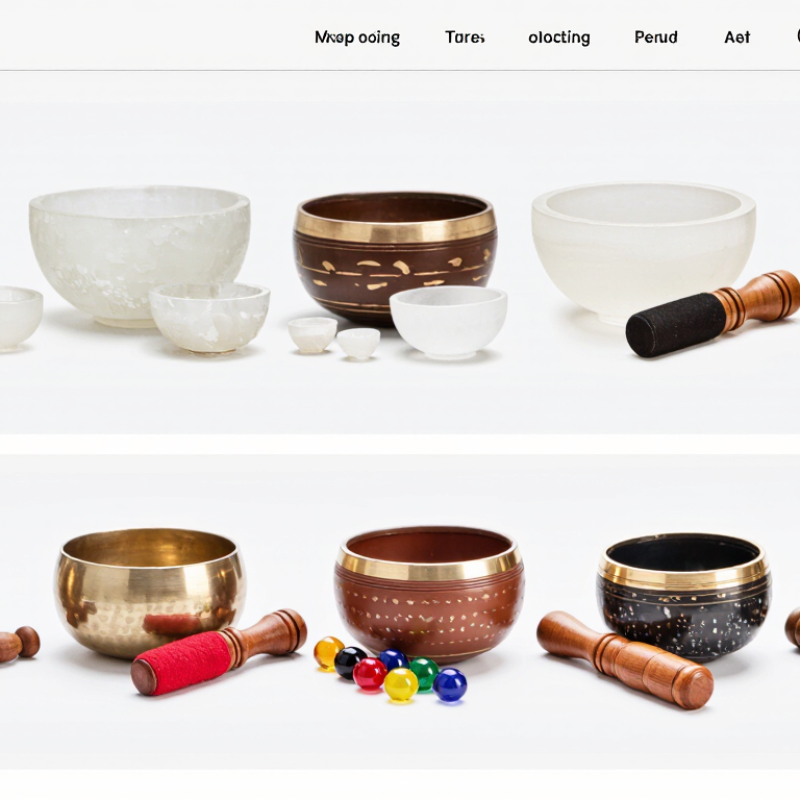
What Are the Top 10 Types of Sound Bowl Instruments?

Key Features Used to Identify Sound Bowl Instruments

Sound bowls are easiest to identify by examining their material, shape, rim, and sound together. Metal bowls often have a visible hammered surface, with small dents that catch the light. Their walls may vary in thickness, and the rim can feel slightly uneven. Crystal bowls are commonly translucent, with smooth sides and a more uniform shape. Look closely.

Size offers clues, but it does not identify a bowl on its own. A wider bowl may produce a lower tone, while a smaller one often sounds higher. Yet wall thickness, material, and playing technique also affect pitch and resonance. When struck gently, listen for how the note begins and how long it lingers. Rubbing the rim with a suitable mallet may create a sustained tone, though not every bowl responds easily. Not always. A bright sound does not prove that a bowl is crystal, and a long sustain does not confirm its origin. It is easy to overread one feature. Compare the bowl’s appearance, weight, rim, and sound before naming its type.
How Sound Bowls Are Classified by Material and Construction

Sound bowls are commonly grouped by what they are made from and how their bodies are formed. These categories overlap: “brass” describes material, while “hand-hammered” describes construction. That distinction matters. A bowl’s thickness, rim shape, and finish can affect its tone and sustain, sometimes as much as its material.

Metal types include hand-hammered bowls, cast bowls, brass bowls, bronze bowls, and bowls made from traditional multi-metal alloys. Construction creates further useful categories: thin-walled and thick-walled metal bowls may respond differently when tapped or played around the rim. Crystal types include clear, frosted, and colored quartz bowls. Ceramic bowls form another category, with their own weight, surface, and resonance. These ten labels are practical, not a strict universal taxonomy. Alloy recipes and manufacturing methods can vary, so labels alone do not guarantee a particular sound.

When comparing bowls, notice the feel of the rim and the steadiness of the tone. A smooth, even rim may be easier to play consistently, while small surface marks can reflect handwork rather than poor quality. Listen in a quiet room, and compare bowls at a similar volume. Descriptions can help, but they are imperfect; the same material can sound different across sizes and makers.

Ten Common Types of Sound Bowl Instruments

Ten common types of sound bowl instruments include several metal and crystal designs. Traditional hand-hammered metal bowls show small marks from shaping. Cast-metal bowls usually have more uniform walls. Machine-finished metal bowls tend to feel consistent in shape. Engraved metal bowls feature etched patterns. Small metal bowls are easy to carry and suit close listening. Large metal bowls often produce deeper, longer tones. These categories can overlap; size does not tell you how a bowl was made.

The other four common types are frosted, clear, colored, and gemstone-style crystal bowls. Frosted quartz bowls have a matte surface and a broad sound. Clear quartz bowls are transparent, while colored versions may be tinted. Gemstone-style bowls may contain added mineral details, so check what the maker means by that label. I would not judge a bowl by appearance alone. Its tone and feel matter more.

Tips: Listen in a quiet room, then compare how long each bowl rings after a gentle strike. Try the supplied mallet, if available; a different one can change the sound. Notice whether the tone feels comfortable, not merely impressive. Labels can be vague, and that is worth questioning.

How Playing Techniques Shape Tone and Resonance

Sound bowls vary in material, wall thickness, shape, and size, so the same technique can produce different results. A broad, slow strike may create a rounded tone with a lingering tail. A lighter touch often sounds clearer and fades sooner. Small changes matter. The room matters, too: soft furnishings can absorb some high frequencies, while a bare wall may return a noticeable echo.

The mallet changes the sound before it even reaches the bowl. A soft-covered mallet usually gives a gentler attack; a firmer one can make the initial note sharper. Try both. Strike near the bowl’s side, then compare the sound with a strike closer to its base. Move gradually, because a small shift in contact point can alter the balance between warmth and brightness. For many bowls, steady pressure while tracing the rim can sustain a tone, but uneven speed may cause wavering or a rough edge.

Across metal, crystal, and differently shaped bowls, technique is only part of the story. Let each note settle before repeating it; overlapping tones can blur what you hear. It is easy to assume a longer ring means a better sound. That is not always true. A short, clean note may suit a quiet room, while a resonant one can feel crowded in a small space. Listen closely, and adjust without expecting every bowl to respond perfectly.

How to Compare Sound Bowls by Sound and Intended Use

Sound bowls differ in material, shape, thickness, and playing method. These details affect pitch, sustain, and volume more than a label alone can suggest. Ten common options include Himalayan metal, Jambati, Thadobati, Manipuri, Naga, clear-quartz crystal, frosted-quartz crystal, gemstone-infused crystal, small travel bowls, and large floor bowls. This is a practical grouping, not a strict ranking; dimensions and craftsmanship vary.

Metal bowls often produce layered, slightly wavering tones that suit quiet meditation or small group sessions. Crystal bowls tend to sound clear and focused, with long sustain that can carry across a room. Frosted models may feel softer, though the mallet and playing pressure also shape the sound. Small bowls are easier to carry and often have higher pitches; large bowls tend to offer lower, fuller notes. Listen closely.

To compare bowls, strike each one gently, then circle the rim at a steady speed. Notice how quickly the note blooms, whether its overtones feel crowded, and how long it remains comfortable. For home use, consider manageable volume and a tone you enjoy up close. For groups, listen for projection and how the sound blends with other bowls. Phone recordings can misrepresent bass and resonance, so test in the room where you plan to play. I still find some supposedly soothing tones tiring after ten minutes. That matters.

What Are the Top 10 Types of Sound Bowl Instruments? — How to Compare Sound Bowls by Sound and Intended Use

Type Typical construction or shape Common sound characteristics Often chosen for What to compare when buying
1. Hand-hammered Himalayan-style metal bowl Metal bowl formed by hand; composition, wall thickness, and finish vary. May produce a complex tone with several audible partials and a lingering resonance. Personal meditation, gentle striking, and learning rim-playing techniques. Listen to the individual bowl: handmade examples can differ in pitch, sustain, and response.
2. Jambati-style bowl Often has a broad body, rounded profile, and a relatively wide opening. Depending on size and construction, it may offer a full, sustained tone with a noticeable low-frequency component. Grounding drones, slow meditation, or use as a prominent bowl in a small collection. Check its weight, stability, and whether it responds comfortably to both striking and rim friction.
3. Thadobati-style bowl Commonly recognized by its more upright sides and comparatively defined base. Can have a clear attack and focused resonance; tonal character varies from bowl to bowl. Focused listening, short sound cues, and playing patterns with a mallet. Compare the clarity of the initial strike, the length of the decay, and ease of handling.
4. Manipuri-style bowl Typically shallower and wider in proportion than many deeper bowl forms. Often gives a quick, bright response, though its pitch and sustain depend on its dimensions and material. Light, clear accents and settings where a less imposing bowl is preferred. Try different strikers; a shallow bowl may respond differently to soft and firm playing.
5. Naga-style bowl Often has a compact, rounded body and a substantial-looking rim or wall. May sound concentrated and robust when struck, but shape names do not guarantee a particular pitch. Short sound cues, portable practice, and collections of varied metal-bowl shapes. Assess the bowl’s actual tone and balance rather than relying on the style name alone.
6. Japanese rin (ritsu) bowl A small metal bowl or bell used in Japanese Buddhist practice; commonly sounded with a dedicated striker. Typically produces a clear, bell-like strike with a bright ring. Marking transitions, opening or closing a meditation session, and ritual use. Compare the clarity of the strike, sustain, striker fit, and intended ceremonial context.
7. Frosted quartz crystal bowl Made from quartz crystal with an opaque or matte-looking exterior. Can create a strong, sustained tone when the rim is played; perceived brightness and volume vary with size and playing technique. Room-filling tones, group sound sessions, or sustained single-note playing. Check the bowl’s weight, rim condition, sound level, and the mallet recommended for its surface.
8. Clear quartz crystal bowl Made from transparent or translucent quartz crystal. Often has a sustained, focused sound; its actual pitch and tonal color depend largely on the bowl’s dimensions and construction. Solo practice, listening sessions, and players who prefer a transparent appearance. Compare tone in person or through a reliable recording, and consider the bowl’s fragility and transport needs.
9. Mineral-infused or “alchemy” crystal bowl A crystal bowl made with additional mineral materials; ingredients and manufacturing methods vary. May differ in appearance and tonal response from a plain quartz bowl, but there is no single sound profile shared by all examples. Players seeking a distinctive material, appearance, or individual tone. Ask what materials are included and evaluate the specific bowl’s sound rather than assuming a standard effect.
10. Tuned crystal-bowl set A group of crystal bowls selected to provide different pitches; sets may be organized around a musical scale or a wellness tradition. Offers multiple notes for melodic sequences or layered tones. Tuning and pitch relationships differ between sets. Group sessions, simple musical patterns, and players who want several notes available. Check each bowl’s measured pitch, how the notes work together, the required storage space, and the set’s total weight.

Comparison note: A bowl’s sound is affected by its size, thickness, material, striker, playing technique, and room acoustics. Shape labels are useful descriptions, not guarantees of a particular pitch or tone. Chakra-based groupings are wellness traditions rather than standardized musical tuning systems.

Have Questions?

Talk to a product specialist today: 1-800-308-6788

Snake Tray Catalog

snake tray® CATALOG

the new catalog is here. AVAILABLE IN PRINT AND ONLINE.

DOWNLOAD A PDF REQUEST A PRINTED COPY
CALL US TODAY