Choosing the right Sheet Metal Cap manufacturer in China requires more than comparing factory photos or quoted prices. Product reliability depends on material grade, drawing accuracy, edge finishing, tooling control, and inspection discipline. A cap may look polished under showroom lighting, yet fail after repeated fitting, transport, or exposure to moisture. Small details matter.
Professor Taylan Altan, a respected sheet metal forming authority, has emphasized this practical principle: “Reliable forming requires understanding the material, the tooling, and the process.” That principle guides this review of China’s top ten Sheet Metal Cap manufacturers. The selection considers manufacturing experience, equipment capability, quality systems, customization support, export performance, and communication reliability. Factory audits, sample evaluation, and production feedback should still support every final decision.
There is no perfect ranking.
A supplier strong in stainless steel caps may lack experience with aluminum micro-parts. Another may offer competitive pricing but provide limited engineering support. Some manufacturers show impressive machinery, while their inspection records remain unclear. This guide recognizes those gaps instead of hiding them. It examines how each company handles drawings, prototypes, surface treatments, dimensional tolerances, packaging, and corrective action. The goal is practical guidance for importers, engineers, and purchasing teams seeking dependable Chinese manufacturing partners. Readers should verify certifications, request current samples, and confirm capacity before signing contracts. Supplier performance can change over time. Careful review remains essential.
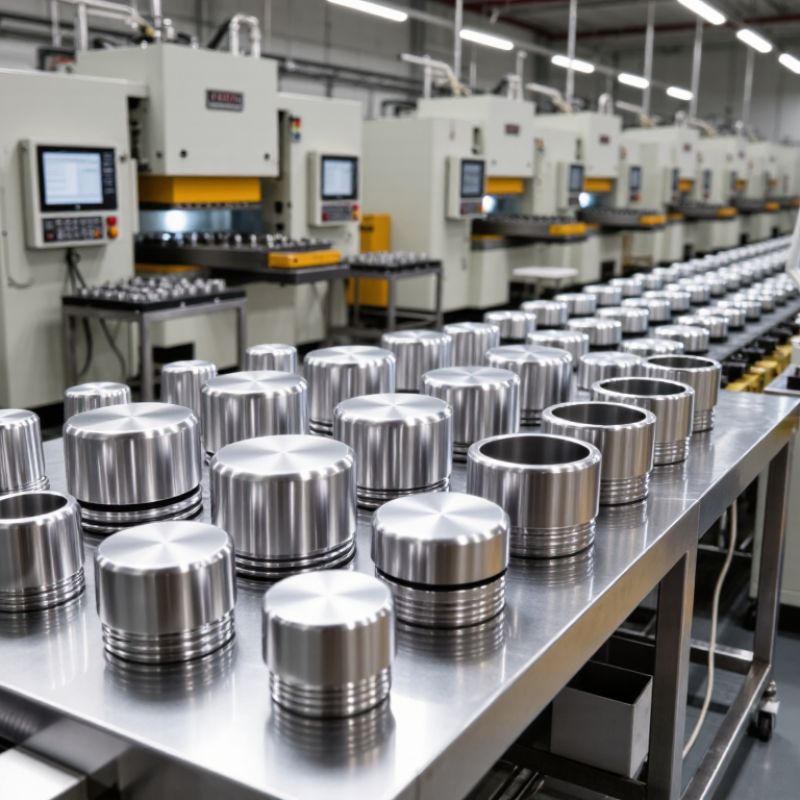
Sheet metal caps are formed metal covers designed to close, protect, or finish the end of a component. They are commonly made from stainless steel, aluminum, galvanized steel, or mild steel. A cap may be stamped, spun, laser-cut, bent, or welded, depending on its shape and production volume. Small differences matter. Even a slight dimensional error can create gaps, sharp edges, or poor alignment.
These caps appear on pipes, ducts, machinery frames, electrical enclosures, furniture legs, and architectural structures. In outdoor applications, they help limit water entry, dust buildup, and corrosion exposure. On industrial equipment, they can shield open ends from impact and reduce contact with moving parts. Decorative caps are often brushed, polished, powder-coated, or painted to match the surrounding surface. The finish is not only visual. It can influence cleaning, durability, and maintenance.
From practical fabrication work, I have found that the best design balances protection, fit, cost, and manufacturability. A very tight cap may look precise but become difficult to install after coating. A thin cap saves material, yet it may dent during transport. Vent holes, drainage paths, mounting tabs, and edge treatments should be considered early. Quality checks should include dimensions, weld consistency, surface defects, and coating adhesion. A cap can appear finished while still performing poorly. That is where careful testing remains necessary.

China Top 10 Sheet Metal Cap Manufacturers?
Evaluating Chinese sheet metal cap manufacturers requires more than comparing prices. A polished website is not proof of production capability. Request factory photos, equipment lists, and recent inspection records. Check whether the facility performs stamping, cutting, bending, welding, and surface finishing in-house. Subcontracting is not automatically risky, but unclear control can create delays.
Ask for material certificates showing grade, thickness, and batch traceability. Compare these records with your drawings and sample parts. Measure cap diameter, wall thickness, hole position, and edge condition with calibrated tools. Tolerance claims should match actual inspection reports. A sample may look excellent while hiding inconsistent springback or burrs. That detail matters.
Review the manufacturer’s quality process at three points: incoming material, production, and final packing. Confirm sampling standards, defect handling, and corrective-action records. Ask how tooling is maintained and who approves engineering changes. Clear answers usually reveal technical maturity. Slow or vague replies deserve attention. Protect your design with a written confidentiality agreement and controlled drawings. Confirm production capacity using realistic monthly volumes, not impressive maximum figures. Also evaluate packaging, lead times, export experience, and communication during a trial order. One weakness may not disqualify a supplier, but ignoring it can become expensive.
China’s top 10 sheet metal cap manufacturers are usually judged by more than production volume. A reliable shortlist should examine stamping accuracy, material control, tooling experience, and inspection discipline. Common materials include galvanized steel, stainless steel, aluminum, and cold-rolled sheet. Each responds differently to bending, coating, and corrosion testing.
A capable manufacturer can manage prototypes, small batches, and stable mass production without changing critical dimensions. Look for laser cutting, progressive stamping, CNC forming, automated deburring, and clear traceability records. Tolerances should match the drawing, not vague promises. Surface checks should include scratches, sharp edges, coating gaps, and deformation after assembly. That matters.
Factory audits also reveal practical details. Are gauges calibrated? Are rejected parts isolated? Can engineers explain springback compensation and die maintenance? These questions separate experienced suppliers from simple trading operations. Packaging deserves attention too, especially for painted caps that may rub during long-distance transport.
The “top 10” label should not be treated as an unquestionable ranking. Supplier performance changes with project complexity, order size, and communication quality. Some factories offer excellent tooling but weaker documentation. Others provide polished reports but struggle with urgent revisions. A balanced selection should compare samples, inspection plans, lead times, and total landed cost. One overlooked issue remains common: buyers often approve attractive samples without testing real production consistency.
This chart presents a transparent procurement benchmark for comparing Chinese sheet metal cap manufacturers. The percentages represent the recommended importance of each evaluation dimension and do not disclose company names, brands, or confidential supplier data.
China Top 10 Sheet Metal Cap Manufacturers: Comparing Product Range, Quality, Capacity, and Customization
When comparing China’s top ten sheet metal cap manufacturers, product range is the first practical filter. Experienced buyers should review diameter options, thread standards, liner materials, and surface finishes. Common choices include tinplate and aluminum caps for bottles, jars, and specialty containers. Some factories offer embossed logos, printed colors, brushed textures, and tamper-evident structures. Product samples reveal more than catalogs. Check the fit by hand.
Quality depends on measurable controls, not polished claims. Ask for material certificates, coating specifications, dimensional reports, and inspection records. Cap sealing should remain consistent across repeated opening and closing tests. Edges must feel smooth, with no sharp burrs or uneven curling. In my experience, small defects often appear after transport, not during factory inspection. That detail deserves attention. Independent testing can also verify corrosion resistance and coating adhesion.
Capacity requires a closer look than monthly output figures. Review press equipment, mold availability, production shifts, and backup lines. A large stated capacity may not support your delivery schedule during peak seasons. Customization is strongest when engineers join the discussion early. Share drawings, neck-finish data, color references, packing requirements, and target tolerances. Tooling costs, trial samples, and revision limits should be written clearly. I would not choose the lowest quote automatically. It may hide slower sampling, weaker liners, or inconsistent printing. No supplier is perfect. The better question is whether its weaknesses are visible, documented, and manageable.
How to Choose the Right Chinese Sheet Metal Cap Supplier
Choosing a Chinese sheet metal cap supplier requires more than comparing unit prices. Check the supplier’s actual production experience with your cap type, material, thickness, and finish. Ask for photos of recent work, inspection records, and sample parts. A reliable factory should explain its stamping, cutting, bending, welding, and surface treatment processes clearly. Vague answers deserve attention.
Tips: Request a pre-production sample. Measure its diameter, height, wall thickness, and fit. Confirm material grades through mill certificates or independent testing when necessary. Review tolerance tables instead of accepting “high precision” claims. Also check tooling ownership, minimum order quantities, lead times, packaging methods, and replacement procedures for defective parts. Small details matter.
A factory audit can reveal more than a polished website. Look for organized material storage, calibrated gauges, clean work areas, and traceable batch labels. Ask how workers handle scratches, burrs, uneven edges, and color differences. Supplier communication is another practical test. Send a detailed drawing and observe whether the engineering team identifies unclear dimensions. Perfect suppliers are rare. A rushed approval can still become an expensive lesson, even after a successful sample. Use written specifications, staged inspections, and clear acceptance criteria before mass production begins.
| No. | Anonymous Supplier Profile | Typical Sheet Metal Cap Capability | Common Materials | Typical Material Thickness | Core Manufacturing Processes | Typical Production Volume | Quality and Compliance Checks | Best Fit for Buyers | Selection Score |
|---|---|---|---|---|---|---|---|---|---|
| 1 | Profile A — Integrated precision fabricator | Custom stamped, laser-cut, spun, and formed caps with secondary machining | Stainless steel, aluminum, carbon steel, galvanized steel | 0.5–3.0 mm | Laser cutting, CNC punching, stamping, press-brake forming, deburring | 10,000–500,000 pieces per order | Dimensional inspection, material certificates, coating-thickness testing, sample approval | OEM projects requiring several processes from one supplier | 9.5/10 |
| 2 | Profile B — High-volume stamping specialist | Progressive-die and deep-drawn caps for repeatable production | Aluminum, tinplate, low-carbon steel, stainless steel | 0.3–2.0 mm | Progressive stamping, deep drawing, trimming, flanging, automatic inspection | 50,000–5,000,000 pieces per order | First-article inspection, capability studies, die-life records, lot traceability | Large repeat orders with stable geometry and strict unit-cost targets | 9.3/10 |
| 3 | Profile C — Low-volume prototype supplier | Rapid prototypes and small batches without dedicated hard tooling | Aluminum, stainless steel, mild steel, copper | 0.8–4.0 mm | Fiber-laser cutting, CNC bending, welding, 3D measurement, rapid finishing | 10–10,000 pieces per order | CAD-to-part review, dimensional reports, prototype approval, revision control | New product development, pilot production, and design validation | 9.1/10 |
| 4 | Profile D — Stainless steel enclosure-cap specialist | Protective caps and covers for equipment, cabinets, and outdoor assemblies | 304 stainless steel, 316 stainless steel, galvanized steel | 0.8–2.5 mm | Laser cutting, TIG welding, seam finishing, polishing, passivation | 1,000–100,000 pieces per order | Weld inspection, surface-finish verification, passivation records, corrosion checks | Applications exposed to moisture, chemicals, or outdoor environments | 9.0/10 |
| 5 | Profile E — Decorative finishing supplier | Formed caps with appearance-focused surfaces and controlled cosmetic quality | Aluminum, stainless steel, brass, cold-rolled steel | 0.6–2.5 mm | Stamping, spinning, polishing, brushing, anodizing, powder coating, plating | 5,000–300,000 pieces per order | Color comparison, gloss measurement, surface-defect inspection, protective packaging | Architectural, lighting, furniture, appliance, and consumer-product parts | 8.9/10 |
| 6 | Profile F — Electrical and EMC component supplier | Conductive covers, shielding caps, grounding components, and formed housings | Tin-plated steel, copper, brass, aluminum, stainless steel | 0.2–1.5 mm | Precision stamping, fine blanking, tapping, riveting, plating, assembly | 20,000–2,000,000 pieces per order | Electrical-continuity testing, plating-thickness checks, burr inspection, RoHS documentation | Electronics, telecommunications, power supplies, and control equipment | 8.8/10 |
| 7 | Profile G — Heavy-duty fabricated cap supplier | Large protective caps, structural covers, and welded steel components | Carbon steel, galvanized steel, stainless steel, weathering steel | 2.0–8.0 mm | Plasma cutting, laser cutting, forming, MIG/TIG welding, shot blasting | 100–50,000 pieces per order | Weld visual inspection, coating inspection, load checks, dimensional verification | Industrial machinery, construction equipment, and infrastructure projects | 8.7/10 |
| 8 | Profile H — Cost-focused standard-part supplier | Standardized caps with limited customization and economical tooling | Low-carbon steel, aluminum, galvanized steel, tinplate | 0.4–2.0 mm | Stamping, roll forming, trimming, basic powder coating | 30,000–1,000,000 pieces per order | Incoming material inspection, go/no-go gauges, packing inspection, batch records | Price-sensitive projects using established sizes and simple geometries | 8.5/10 |
| 9 | Profile I — Small precision-part supplier | Small-diameter caps, washers, rings, and miniature formed components | Stainless steel, brass, copper, aluminum, spring steel | 0.15–1.2 mm | Micro-stamping, CNC turning, forming, deburring, automated sorting | 50,000–10,000,000 pieces per order | Optical sorting, burr-height measurement, dimensional capability reports, traceability | Automotive, medical-device, sensor, and precision-electronics components | 8.4/10 |
| 10 | Profile J — Export-oriented contract manufacturer | Mixed custom production with sourcing, packaging, and international logistics support | Stainless steel, aluminum, carbon steel, copper alloys | 0.5–5.0 mm | Laser cutting, bending, stamping, welding, machining, surface treatment | 500–200,000 pieces per order | ISO 9001-based quality procedures, pre-shipment inspection, export packaging, audit support | Overseas buyers needing consolidated production and shipment management | 8.3/10 |
Fill out the form below and our team will get back to you ASAP.
Snake Tray® is Green and Proudly Powered by the Sun! Snake Tray is committed to designing and manufacturing products that have many green benefits. Our products are made of recycled goods, minimize material waste, are energy efficient, use less non-renewable resources and nest together read more…
Snake Tray® 291 Skip Lane, Bay Shore NY 11706 | PHONE: 631-674-0004 | FAX: 631-674-0010 | www.bakoselectric.com | LEGAL | MADE IN USA
© 2025 SnakeTray. All rights reserved
Fill out the form below to download your document.