Small Cement Mixer Concrete Buying Guide for Global Buyers?
Choosing the right Small Cement Mixer Concrete can feel overwhelming. Many options exist, each with unique features. Buyers must understand their needs before making a decision.
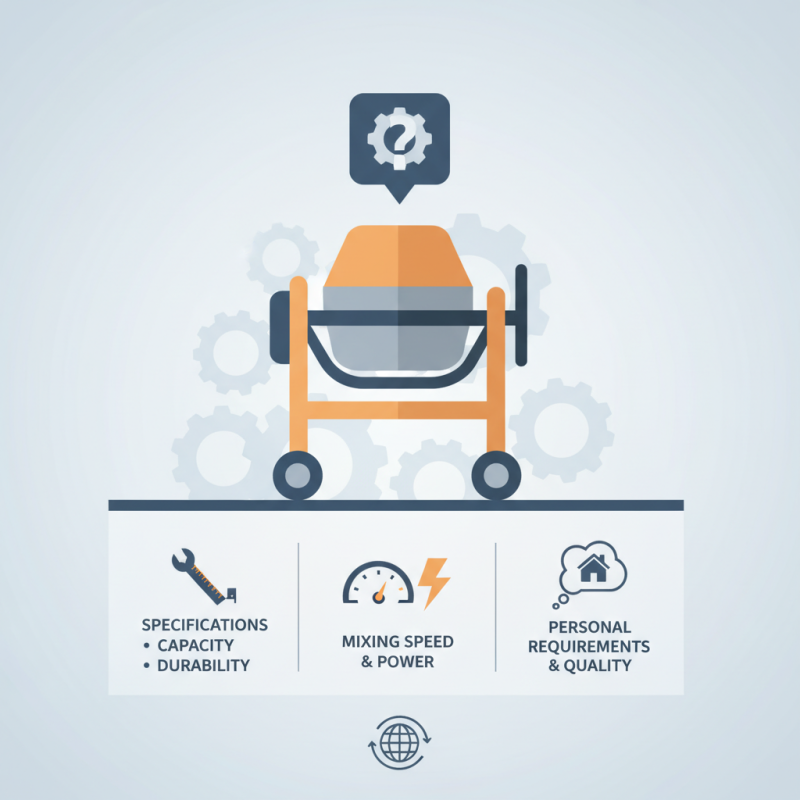
This guide aims to provide essential insights for global buyers. Small cement mixers offer versatility and efficiency. They are ideal for small to medium projects. Specifications, capacity, and durability are key factors to consider.
Understanding different models is crucial. Features like mixing speed and power can impact your work. Reflecting on personal requirements is necessary. Take the time to evaluate each option. Quality should never be compromised for price.
Understanding the Basics of Small Cement Mixers and Their Uses
Small cement mixers are essential tools in construction and DIY projects. They simplify the mixing of concrete, making work easier and more efficient. Knowing how to use them effectively can lead to better results in your construction tasks. The primary use of a small cement mixer is to combine materials like sand, cement, and water. This process creates a uniform concrete mix that is vital for strong structures.
When selecting a mixer, consider its capacity and power. A smaller mixer may suffice for home projects, but larger tasks require more robust equipment. Many models are portable, allowing for easy transportation between job sites. However, users often overlook maintenance. Regular cleaning of the drum and components can extend the mixer’s lifespan. A neglected mixer can lead to poor mixing and unreliable results.
Understanding how a small cement mixer works is crucial. Each component plays a role in the mixing process. For example, the drum's rotation must be optimized for an even mix. However, users sometimes forget to check for clogs or residue build-up. This oversight can disrupt the pouring process. Addressing these small issues can enhance efficiency and ensure successful concrete projects.
Key Factors to Consider When Buying a Small Cement Mixer
When purchasing a small cement mixer, buyers must evaluate several critical factors. First, consider the mixer’s capacity. Typically, small mixers range from 1 to 3 cubic feet. According to the American Concrete Institute, a smaller capacity may suffice for home projects or minor renovations. However, larger volumes may be necessary for bigger tasks.
Another key element is power source. Electric mixers are popular for their convenience, while gas-powered models can offer more mobility. Studies show that electric mixers account for about 70% of the market due to their ease of use and lower maintenance needs. Additionally, pay attention to the drum design, as a tilting drum allows for easier pouring. Durable materials like steel can significantly extend the lifespan of the mixer.
Do not overlook safety features. Mixing concrete entails risks, and equipment should have protective guards. Weighing the warranty and after-sales service helps ensure reliability. A report by the Construction Industry Institute highlights that a robust warranty can reassure buyers about their investment. Ultimately, understanding these factors can greatly influence your decision-making and project success.
Small Cement Mixer Concrete Buying Guide: Key Factors to Consider
Types of Small Cement Mixers: Which One Is Right for You?
Choosing the right small cement mixer is crucial for successful projects. There are several types available that cater to different needs. Understanding the key differences can simplify your decision-making process.
Drum mixers are popular for their simplicity. They rotate a cylindrical drum to combine materials. This type is ideal for small jobs and home repairs. They have a limited mixing capacity, usually around 2 to 3 cubic feet. Batch mixers, on the other hand, allow for larger quantities. Their mixing is more thorough, making them suitable for more significant projects. However, they can be heavier and less portable.
Portable mixers add another option. Lightweight and easy to transport, they are perfect for tight spaces. They often come with wheels, making them convenient for moving around job sites. Careful consideration of your project needs is essential. Reflecting on how often and where you would use the mixer can lead to a better choice. Don't rush; take the time to evaluate different features before making a decision.
Small Cement Mixer Concrete Buying Guide for Global Buyers | Type of Mixer | Drum Capacity (Cu Ft) | Power Source | Weight (lbs) | Ideal Use |
| Electric Mixer | 3.5 | Electric | 110 | Small Projects |
| Gasoline Mixer | 5.0 | Gasoline | 160 | Medium Projects |
| Diesel Mixer | 6.0 | Diesel | 220 | Heavy-Duty Projects |
| Portable Mixer | 4.0 | Electric | 130 | Home Use |
| Gravity Mixer | 7.0 | Hand Crank | 180 | Large Material Mixing |
Budgeting for Your Small Cement Mixer Purchase: Cost and Value
When considering a small cement mixer, budgeting is critical. The cost can vary widely. Basic models might range from $200 to $800, while advanced features can push prices beyond $1,500. Industry reports indicate that buying a reliable mixer can significantly affect construction efficiency, saving time and labor costs.
Investing in a small cement mixer offers long-term value. For instance, a study from the Construction Industry Association suggests that using a mixer reduces labor time by up to 30%. This can lead to not just cost savings but also improved project timelines. Consider the total cost of ownership. Maintenance and repairs can add unexpected expenses.
Some buyers overlook hidden costs. Accessories and attachments may not be included in the initial purchase price. Furthermore, the choice of materials affects overall quality and durability. While a cheaper mixer may seem appealing, it could require more frequent replacements. Therefore, weighing upfront costs against potential long-term savings is both prudent and essential for informed decision-making.
Maintenance Tips for Ensuring Longevity of Your Cement Mixer
Maintaining a small cement mixer is crucial for its longevity. Regular cleaning is essential to avoid concrete buildup. After each use, clean the drum with water and a stiff brush. This prevents residual concrete from hardening and minimizes wear. Additionally, inspect the mixer for any visible damages. Look for cracks or rust that might worsen over time.
Oil the moving parts regularly. Lubrication helps prevent friction and prolongs the life of critical components. Use suitable oils based on the manufacturer's recommendations. Remember, a well-maintained mixer runs more efficiently. Check the electrical components and wiring for fraying or damage. Faulty wiring can lead to significant malfunctions.
Sometimes, mixing excessive loads can strain the mixer. Follow the manufacturer’s guidelines on capacity. Overloading leads to premature wear. It may also be worth reflecting on your usage patterns. Proper inspections and timely repairs can not only extend the life of your cement mixer but also increase work efficiency. Neglecting these aspects might lead to higher costs in repairs and downtime.