Top 10 Reasons to Choose Threaded Bar for Your Projects?
When it comes to construction and engineering projects, the choice of materials is crucial. One popular option is the threaded bar, known for its versatility and strength. Many professionals in the industry appreciate its reliability and ease of use. However, not all threaded bars are created equal, and understanding their qualities can help ensure successful project outcomes.
Threaded bars offer a range of benefits. They provide high tensile strength, making them suitable for a variety of applications. Their design allows for quick installation and adjustments, saving time during construction. This can lead to project efficiency, but it's essential to select the right type for specific needs. Missteps can result in structural issues, showcasing that knowledge and experience matter.
Choosing a threaded bar could revolutionize your project. Yet, it's important to consider various factors such as load requirements and environmental conditions. Balancing cost and quality is also vital. In the end, while threaded bars have clear advantages, careful selection and understanding their limitations are key to achieving the best results.
Benefits of Using Threaded Bars in Construction Projects
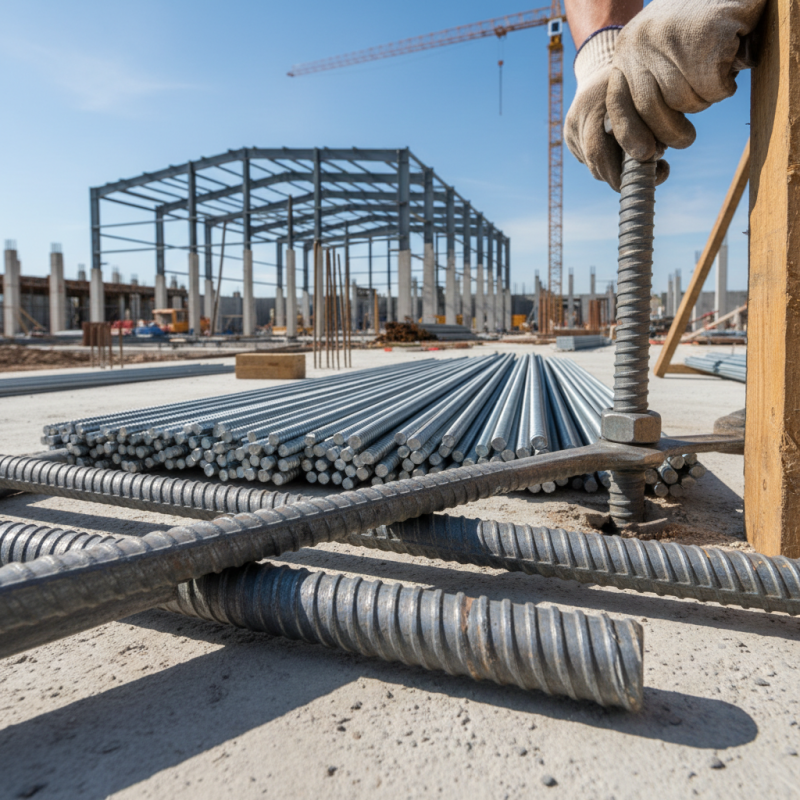
Threaded bars have become a popular choice in construction projects due to their numerous benefits. They provide exceptional tensile strength, making them ideal for heavy loads and structural support. With a threaded design, these bars allow for easier connection and adjustment during assembly. This leads to improved accuracy in alignment and reduces the risk of structural failure.
Another significant advantage is their versatility. Threaded bars can be used in various applications, such as anchoring foundations or reinforcing walls. Their adaptability means that they can fit within different project specifications. However, improper installation can lead to serious issues. It’s essential to follow guidelines and ensure quality control during the construction process.
Cost-effectiveness is yet another reason to consider threaded bars. They can reduce the amount of material needed, saving on both expenses and time. Still, it's worth noting that over-reliance on these components without proper consultation can be risky. Engaging with structural engineers for advice is crucial to maximize their effectiveness. The use of threaded bars not only enhances project performance but also ensures durability in the long run.
Cost-Effectiveness of Threaded Bars Compared to Alternatives
Threaded bars have gained popularity in construction projects for various reasons, especially due to their cost-effectiveness. Unlike alternatives like solid bars, threaded bars can significantly reduce material costs. Their design allows for easier installation, which cuts down on *labor expenses*. This efficiency is a key factor when budgets are tight.
When using threaded bars, consider these tips. Always assess the load requirements of your project. This assessment ensures you choose the right specifications. Additionally, select appropriate accessories for installation. Using the right nuts and washers enhances the overall connection strength and reliability.
Another noteworthy point is the versatility of threaded bars. They can be used in different applications, including concrete, masonry, and structural steel. This adaptability means fewer material types are needed for various aspects of your project, further reducing costs. Keep in mind that while they offer many advantages, using threaded bars improperly can compromise their effectiveness. Always ensure proper training for your team during installation.
Versatility of Threaded Bars in Various Applications
Threaded bars have gained significant traction in various construction and engineering applications, owing to their versatility. According to a report from the International Journal of Structural Engineering, threaded bars can withstand tensile and flexural stress better than traditional reinforcement methods. This makes them ideal for projects that require durable and flexible solutions. From high-rise buildings to bridges, the applications are seemingly limitless.
The adaptability of threaded bars allows engineers to utilize them in different environments. For example, they can be easily adjusted to accommodate shifting loads or varying terrain. In seismic regions, they provide the necessary ductility to absorb shock. In marine environments, their corrosion-resistant properties are invaluable. The versatility is a game-changer for both new constructions and renovations.
**Tip:** When using threaded bars, ensure proper tensioning to maximize load distribution. This improves structural integrity and prolongs the life of the structure.
However, it's essential to consider the appropriate specifications for each project. Not all threaded bars are created equal, and mismatched sizes or materials can lead to failures. Investigating the load-bearing capacity and environmental factors is crucial for safety.
**Tip:** Regular maintenance checks can help identify wear and tear early. This proactive approach enhances safety and can save on repair costs.
Ease of Installation and Maintenance of Threaded Bars
Threaded bars have gained popularity in construction due to their ease of installation and maintenance. Unlike traditional rebar, they offer a simpler assembly process. Workers can quickly connect threaded bars, saving time and resources. This efficiency enhances productivity on site. The straightforward integration allows even less experienced crew members to engage with the material effectively.
Maintenance is another key advantage of threaded bars. Their design allows for easy adjustments and replacements. For example, if a section of the bar experiences wear, it can be easily removed without impacting the entire structure. This feature not only reduces downtime but also helps in managing costs. On the flip side, some may find that proper alignment requires meticulous attention. Misalignment can lead to structural issues down the line. Being mindful of this detail is essential for long-term integrity.
Moreover, threaded bars reduce the need for specialized tools during installation. Basic equipment is often sufficient for most tasks. However, this simplicity can sometimes lead to overconfidence among inexperienced workers. They might overlook crucial installation steps, risking the overall project outcome. Balancing efficiency with careful installation practices is crucial for the successful use of threaded bars in various projects.
Top 10 Reasons to Choose Threaded Bar for Your Projects
| Reason |
Description |
Benefits |
| Ease of Installation |
Threaded bars can easily be cut to length and connected, simplifying installation. |
Reduces time and labor costs during installation. |
| Versatility |
Can be used in various applications from construction to engineering. |
Adaptable to different project requirements and conditions. |
| Compatibility |
Compatible with many types of fasteners and fittings. |
Enhances integration with existing systems and materials. |
| Durability |
Made from high-strength materials, offering long-lasting performance. |
Provides reliability and reduces need for replacements. |
| Support for Reinforcement |
Ideal for use in reinforced concrete applications. |
Increases structural strength and stability. |
| Cost-Effectiveness |
Offers a budget-friendly solution without compromising quality. |
Helps in achieving project goals while minimizing expenses. |
| Maintenance Friendly |
Designed for easy access during maintenance activities. |
Saves time and effort in maintenance work. |
| Safety |
Provides secure fastening, reducing safety risks on-site. |
Enhances worker safety and compliance with regulations. |
| Aesthetic Value |
Available in various finishes that can match design needs. |
Improves the visual appeal of the final project. |
| Customization |
Can be tailored to meet specific project requirements. |
Provides unique solutions for diverse engineering challenges. |
Strength and Durability Features of Threaded Bars in Structural Integrity
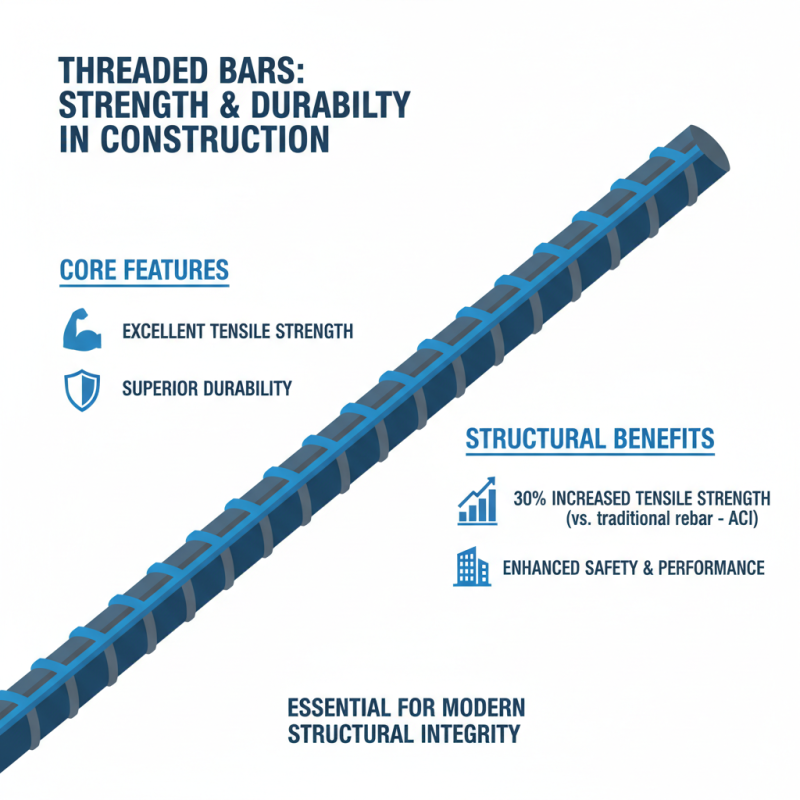
Threaded bars are essential components in modern construction. They offer excellent strength and durability, crucial for structural integrity. According to the American Concrete Institute, structures using threaded bars show a 30% increase in tensile strength compared to traditional reinforcement methods. This improvement can lead to enhanced safety and performance in various applications.
The resistance of threaded bars to corrosion is another significant benefit. A study by the International Journal of Structural Engineering found that structures with threaded bars endure environmental stress better. This durability translates to longer lifespans and reduced maintenance costs. However, it's important to recognize that improper installation can compromise these benefits. Ensuring skilled labor is essential.
Moreover, the flexibility in design that threaded bars provide cannot be overlooked. They accommodate complex structures and loads effectively. Yet, the cost can be higher than standard rebar options. A careful evaluation of project needs is necessary. While threaded bars offer numerous advantages, thoughtful consideration on their application is crucial for achieving the desired outcomes.