Seawater desalination is a critical technology in addressing global water scarcity. Efficient desalination depends heavily on effective pre-treatment processes. These processes are vital for removing various contaminants before the main desalination stage. A robust pre-treatment process for seawater desalination can greatly enhance overall system efficiency.
Common contaminants include organic matter, suspended solids, and microorganisms. Traditional pre-treatment methods often face challenges in adapting to varying seawater quality. Some techniques may not fully remove all harmful substances, leading to membrane fouling in desalination systems. This can increase operational costs and reduce the lifespan of desalination plants.
Innovative approaches, such as advanced filtration and chemical treatments, are emerging. Yet, the effectiveness of these new methods requires ongoing research and adaptation. Understanding the nuances of local seawater conditions is crucial. Operators must select the best-pre-treatment process for seawater desalination tailored to their specific needs. Continuous evaluation is necessary to ensure optimal performance and sustainability.
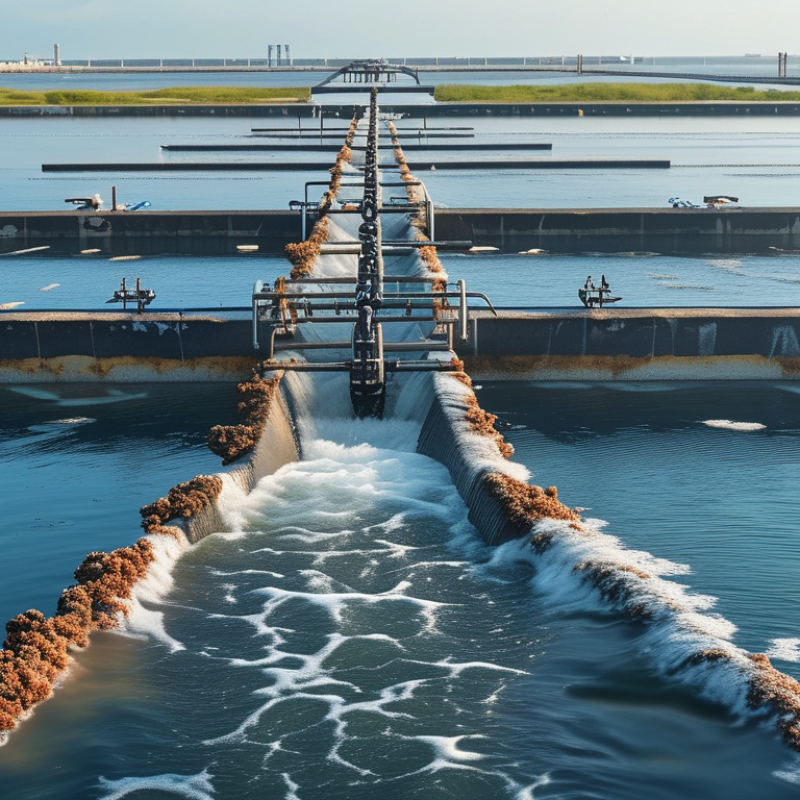
Seawater desalination is essential for overcoming water scarcity. There are various methods used to remove salt and impurities from seawater. Understanding these methods can lead to more effective desalination processes.
Reverse osmosis (RO) is the most common technique. It uses a semi-permeable membrane to separate salt from water. This process requires significant energy and has limitations on the types of contaminants it can remove. Another method is multi-stage flash distillation. This involves heating seawater and capturing steam. It’s effective but can be costly to operate.
Tips: Regular maintenance of the systems is crucial. Neglecting upkeep can lead to decreased efficiency. Consider using pre-treatment processes to minimize fouling and extend membrane lifespan.
Electrodialysis is another method that deserves attention. It uses electric current to pull salt ions through selective membranes. This process is less energy-intensive but may not be suitable for all water sources. Evaluating water quality before choosing a method is vital.
Understanding the pros and cons of each desalination method is important. Each technique has its unique strengths and weaknesses. Engaging with experts in the field can enhance decision-making. Continual improvement and innovation are key to making seawater desalination more effective.

Pre-treatment plays a crucial role in seawater desalination. It ensures the efficiency and longevity of desalination systems and protects the membranes used in the process. A report by the International Desalination Association highlights that effective pre-treatment can reduce membrane fouling by up to 70%. This reduction not only enhances the system’s performance but also significantly decreases maintenance costs.
Common pre-treatment methods include sedimentation, filtration, and chemical dosing. These processes help remove suspended solids, organic matter, and microorganisms, which can lead to rapid fouling. Research indicates that fouling can decrease desalination efficiency by 30% to 50%. Data shows that pre-treated seawater can enhance recovery rates significantly, achieving performance levels above 90%.
Despite these benefits, the pre-treatment process is often underappreciated. Some plants may opt for minimal pre-treatment, risking early membrane replacement and system downtime. Striking a balance is essential. Too aggressive a pre-treatment, with excessive chemicals, could introduce new challenges, such as chemical residues affecting the final product water. Operators must continually evaluate and improve their pre-treatment strategies to adapt to varying seawater conditions and optimize overall system performance.
| Pre-treatment Process | Purpose | Common Methods | Advantages | Limitations |
|---|---|---|---|---|
| Coagulation and Flocculation | To aggregate and remove suspended solids | Chemical addition, mixing, settling | Effective in reducing turbidity, enhances filtration efficiency | Chemical disposal issues, additional costs |
| Microfiltration | To remove bacteria, protozoa, and larger particulates | Membrane filtration | Effective barrier against microorganisms | High fouling potential, membrane replacement cost |
| Sand Filtration | To remove particulate matter | Gravity or pressure-driven filtration | Low cost, simple operation | Ineffective against viruses, requires regular maintenance |
| Reverse Osmosis Pre-treatment | To protect RO membranes from fouling | Membrane filtration, chemical treatment | Increases RO lifespan, improves efficiency | Complex system design, operational costs |
| Activated Carbon Treatment | To remove organic matter and chlorine | Granular activated carbon (GAC) filters | Effective adsorption of contaminants | Regular replacement needed, limited capacity |
Effective seawater desalination begins with robust pre-treatment processes. These techniques aim to remove impurities, ensuring efficient operation of reverse osmosis (RO) systems. The International Desalination Association reports that effective pre-treatment can enhance RO performance by up to 30%.
Common pre-treatment methods include microfiltration and coagulation. Microfiltration employs membranes to filter out larger particles, while coagulation involves adding chemicals to aggregate smaller particles. A study from the American Water Works Association indicates that coagulated water reduces membrane fouling significantly, leading to improved longevity of the reverse osmosis membranes.
Tip: Always monitor the quality of incoming seawater. Changes in turbidity can impact pre-treatment effectiveness. Regular testing is vital for adapting processes as needed. Additionally, consider using automated systems to enhance operational efficiency.
Another technique to explore is active carbon filtration. This method removes organic compounds that can foul RO membranes. While effective, it may require careful balancing to avoid overloading the filtration system. The potential for changes in organic content can lead to unexpected challenges in operation.
Tip: Regular maintenance of filters is crucial. Neglecting this can reduce efficiency and increase operational costs. Balancing pre-treatment processes effectively can lead to smoother desalination operations while addressing potential issues upfront.
Pre-treatment processes play a crucial role in seawater desalination. They help protect the main desalination unit from fouling and scaling. Different methods exist, each with its own advantages and disadvantages. One common approach is screen filtration. This method removes large particles, such as seaweed and fish. It is simple and cost-effective, but it may not effectively handle smaller contaminants.
Another technique is microfiltration. This method can remove bacteria and larger organic materials. It offers higher quality water for desalination. However, microfiltration systems can be more energy-intensive and expensive to operate. Additionally, periodic cleaning is necessary to maintain performance. This maintenance can lead to increased operational costs.
Reverse osmosis (RO) is another pre-treatment option. It provides excellent contaminant removal rates but requires careful monitoring. RO systems can be prone to fouling if not managed properly. This can lead to significant downtime and increased costs. Balancing efficiency and operational challenges is essential in pre-treatment processes. Effective strategies vary depending on specific site conditions.
In the quest for efficient seawater desalination, pre-treatment processes are crucial. They can significantly enhance the lifespan and performance of desalination plants. Recent reports indicate that around 60% of operational costs in desalination facilities stem from membrane fouling and scaling issues. Thus, effective pre-treatment not only boosts efficiency but also reduces maintenance costs in the long run.
Future trends in pre-treatment technologies focus on advancing filtration methods. Innovations like forward osmosis and biofouling-resistant membranes promise improved effectiveness. For instance, membranes that incorporate anti-fouling coatings have shown to decrease biofouling by nearly 50%. Furthermore, hybrid systems combining microfiltration and ultrafiltration are gaining traction, enhancing the removal of suspended solids while minimizing energy consumption.
However, challenges remain. Many emerging technologies require extensive testing before wide-scale implementation. Current studies reveal that while some new methods are promising, they often lack comprehensive data on long-term effects. Researchers are still exploring ways to balance efficiency with sustainability, making continuous innovation essential in the desalination field. The transition to greener technologies is not without obstacles, but the potential benefits make them worthwhile.
Fill out the form below and our team will get back to you ASAP.
Snake Tray® is Green and Proudly Powered by the Sun! Snake Tray is committed to designing and manufacturing products that have many green benefits. Our products are made of recycled goods, minimize material waste, are energy efficient, use less non-renewable resources and nest together read more…
Snake Tray® 291 Skip Lane, Bay Shore NY 11706 | PHONE: 631-674-0004 | FAX: 631-674-0010 | www.bakoselectric.com | LEGAL | MADE IN USA
© 2025 SnakeTray. All rights reserved
Fill out the form below to download your document.