Top Hindered Phenol Antioxidant Manufacturers in China?

Hindered Phenol Antioxidant products help protect plastics, rubber, coatings, and other materials from oxidation during processing and service. In China, manufacturers vary in product range, production scale, technical support, and documentation quality. A polished website alone is not enough to judge a supplier. Details matter.

This guide introduces leading Chinese manufacturers and explains what buyers can verify before requesting samples or quotations. Useful checks include product specifications, safety data sheets, batch consistency, quality-control procedures, and experience with the intended application. Ask how a grade performs under relevant heat, processing, and storage conditions. Where available, review test results and confirm that sample testing reflects your own formulation. Small differences can matter.

The manufacturers featured here should be treated as candidates for further evaluation, not as a universal ranking. A supplier that suits a large polymer producer may not fit a smaller buyer’s volume or technical needs. Availability, lead times, and support can also change. That takes testing.

Company information and product claims should be checked directly and compared using current documentation. This overview aims to make that first screening more practical, while recognizing a limitation: public sources cannot reveal every detail of factory performance. Careful qualification remains the buyer’s responsibility.
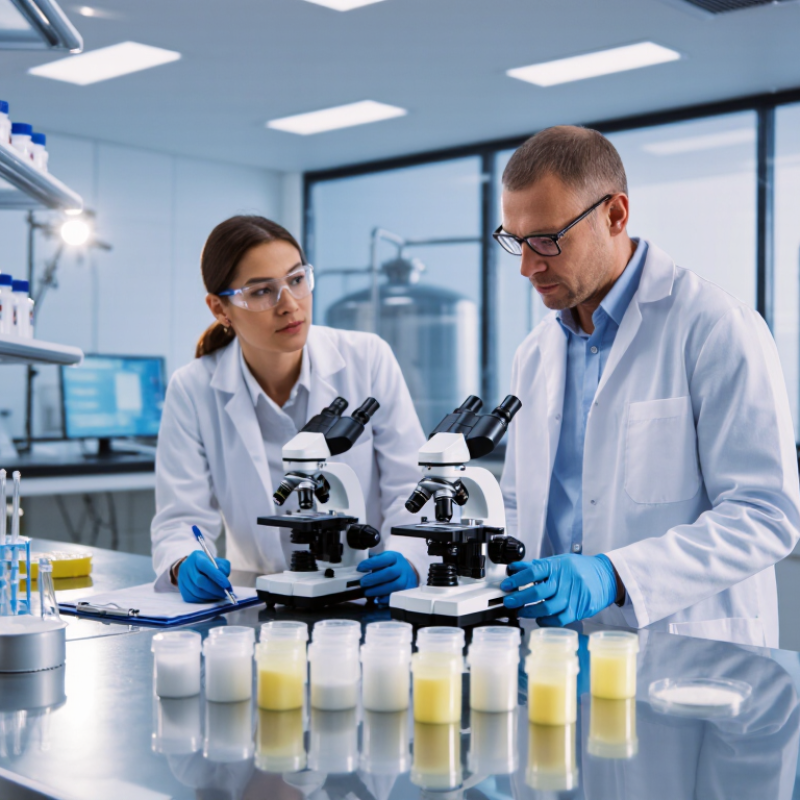
Top Hindered Phenol Antioxidant Manufacturers in China?

What Are Hindered Phenol Antioxidants?

Hindered phenol antioxidants are stabilizing additives that slow oxidation in polymers, elastomers, lubricants, and other materials. Their defining feature is a phenolic group surrounded by bulky chemical groups. These groups help stabilize the antioxidant after it donates a hydrogen atom to a reactive peroxy radical, interrupting an oxidation chain reaction. In practical terms, this can reduce heat-related degradation, brittleness, and discoloration during processing or use. It does not make a material immune to aging.

The scale of polymer use helps explain their importance. PlasticsEurope’s Plastics – the Fast Facts 2024 reports global plastics production of 413.8 million tonnes in 2023. Antioxidant selection still depends on the specific resin, processing temperature, exposure conditions, and required service life; there is no universal recipe. Too little protection may leave materials vulnerable, while an unsuitable formulation can affect color or performance. That detail is easy to overlook. Engineers typically evaluate additives through formulation trials and aging tests, rather than relying on a product label alone. Even then, results from accelerated tests may not perfectly predict years of real-world exposure.

How Hindered Phenol Antioxidants Protect Materials

Hindered phenol antioxidants slow oxidation in plastics, rubber, and lubricants. Heat and oxygen trigger radical reactions that can weaken polymer chains. These antioxidants donate hydrogen to interrupt the reaction, while their bulky molecular structures help stabilize the resulting radicals. On a production line, protection may show up as fewer yellowed pellets and molded parts that resist cracking longer. Not immunity.

PlasticsEurope’s Plastics—The Fast Facts 2024 report estimates global plastics production at 413.8 million tonnes in 2023. That scale makes material durability a practical concern, but the figure measures production, not antioxidant performance. For polyethylene and polypropylene, processors should test the actual formulation. Dose, processing temperature, and compatibility all affect results. Dose matters.

Buyers assessing Chinese manufacturers can request batch test data and compare oxidation induction time under consistent conditions. ASTM D3895 provides a differential scanning calorimetry method for measuring this property in polyolefins. Pair it with color and heat-aging checks; one laboratory number rarely predicts every service environment. Lab results can flatter. Outdoor exposure, contact with other additives, and repeated heating may change performance, so a small production trial is worth the extra time.

How Hindered Phenol Antioxidants Protect Materials

Hindered phenols can donate a hydrogen atom to peroxy radicals, interrupting oxidation chain reactions. The resulting phenoxyl radical is resonance-stabilized, while steric bulk helps limit unwanted follow-up reactions. Lower O–H bond dissociation enthalpy can favor hydrogen donation; it is a mechanistic indicator, not a direct measure of material lifetime.

Approximate O–H bond dissociation enthalpies in kcal/mol; reported values vary with measurement and calculation method.

Key Criteria for Evaluating Manufacturers in China

Top Hindered Phenol Antioxidant Manufacturers in China?

Key Criteria for Evaluating Manufacturers in China

Choosing a hindered phenol antioxidant manufacturer requires more than comparing prices and published capacity. OECD’s Global Plastics Outlook (2022) reported that global plastics production rose from 234 million tonnes in 2000 to 460 million tonnes in 2019. That growth makes consistent additive quality important across demanding polymer applications. Ask for batch-specific test results, including assay, moisture, color, and trace-metal limits. Small details matter. Check whether the supplier can provide traceable production records and explain how it manages out-of-specification batches. A polished certificate alone cannot prove every delivery behaves identically.

Request samples from multiple production lots, then compare them under your own processing conditions. ISO 11357-6 describes differential scanning calorimetry methods for measuring oxidation induction time and temperature in plastics. These tests can help assess oxidative stability, but results depend on the polymer, formulation, and test settings. Record those conditions when reviewing supplier data. Also examine production capacity, lead times, packaging integrity, and technical support for troubleshooting discoloration or processing changes. I would not rely on a single laboratory result; real production lines can expose issues that small samples miss. Ask prospective manufacturers to clarify test methods and acceptance limits before placing an order.

Leading Hindered Phenol Antioxidant Manufacturers in China

China’s leading hindered phenol antioxidant manufacturers serve polymer producers seeking better resistance to heat-driven oxidation. Their work involves more than supplying powder or pellets. Consistent active content, low contamination, and predictable dispersion matter during compounding. Small details matter. A slight change in additive loading can affect color, processing stability, and long-term performance.

Market data offers useful context, but not a supplier ranking. Grand View Research estimated the global antioxidants market at USD 3.39 billion in 2022, with projected growth through 2030. China’s National Bureau of Statistics reported 74.89 million tonnes of plastic products in 2023, reflecting a large downstream manufacturing base. These figures cover broader markets, not hindered phenols alone. Buyers should therefore compare suppliers through batch certificates, technical support, and application testing. Check performance in the actual resin and processing conditions. A tidy specification sheet is not proof of consistent results; independent testing can reveal gaps. Some evaluations take time. That can be frustrating, but it is worth doing.

Top Hindered Phenol Antioxidant Manufacturers in China? - Leading Hindered Phenol Antioxidant Manufacturers in China

Product-focused reference table for comparing hindered phenol antioxidant offerings. It does not rank or identify individual manufacturers; confirm product specifications and manufacturing capabilities directly with each supplier.

Antioxidant Type CAS Registry Number General Chemical Description Common Application Areas Useful Supplier Verification Points
Butylated hydroxytoluene (BHT) 128-37-0 Low-molecular-weight, oil-soluble hindered phenolic antioxidant. Used in selected plastic, rubber, fuel, and lubricant formulations to help limit oxidation. Check assay, melting point, color, residual solvents, packaging, and the applicable product specification.
Octadecyl 3-(3,5-di-tert-butyl-4-hydroxyphenyl)propionate 2082-79-3 High-molecular-weight hindered phenol supplied as a solid; commonly described as a long-chain ester antioxidant. Used in polymer formulations, including polyolefin and other plastic applications. Confirm assay, melting range, volatile content, color, particle or flake form, and compatibility with the intended polymer.
Tetrakis[methylene(3,5-di-tert-butyl-4-hydroxyhydrocinnamate)]methane 6683-19-8 High-molecular-weight, multifunctional hindered phenolic antioxidant. Used in plastics and other polymer materials where long-term thermal oxidative stability is required. Request the current technical data sheet, assay method, ash and volatile limits, and batch-specific certificate of analysis.
4,4′-Thiobis(6-tert-butyl-m-cresol) 96-69-5 Sulfur-containing hindered phenolic antioxidant. Used in certain polymer and rubber formulations; suitability depends on the formulation and processing conditions. Verify sulfur-related specification limits, assay, appearance, processing compatibility, and regulatory documentation for the intended use.
Hindered phenol antioxidant blends Mixture; no single CAS number Formulated combinations of antioxidant ingredients, sometimes supplied with carriers or processing aids. May be developed for polymer processing, rubber compounding, or other oxidation-sensitive materials. Request full composition disclosure where required, active content, carrier details, recommended dosage, and application-specific test data.

How to Compare Product Range, Quality, and Technical Support

Comparing hindered phenol antioxidant manufacturers in China starts with the grades they can actually supply.

Check whether their product range covers your polymer, processing temperature, and preferred physical form, such as powder or flakes. A broad catalog is useful, but only when technical data explains where each grade fits. Ask for typical dosage guidance, solubility information, and compatibility notes for your resin.

That matters.

A supplier should explain the limits of its recommendations, not promise the same result for every formulation.

Quality comparisons need more than a polished specification sheet. Review recent certificates of analysis and ask which tests are used for assay, melting range, color, and moisture. Where possible, compare multiple production lots; a single sample may not show normal variation.

Ask for evidence.

Technical support is equally practical: Can staff discuss your processing conditions, help define a trial, and respond with clear data? Useful guidance might include a small-scale extrusion plan and observations to record, such as color change or surface deposits.

No comparison is perfectly clean; customer test results can be hard to reproduce across different equipment. Keep that uncertainty visible when weighing price, consistency, and support.

Have Questions?

Talk to a product specialist today: 1-800-308-6788

Snake Tray Catalog

snake tray® CATALOG

the new catalog is here. AVAILABLE IN PRINT AND ONLINE.

DOWNLOAD A PDF REQUEST A PRINTED COPY
CALL US TODAY