High Frequency Power Inverter Highlights at Canton Fair 2026?

The upcoming Canton Fair in 2026 presents a unique spotlight on high frequency power inverters. These devices are crucial in numerous sectors, including renewable energy and electronics. According to industry reports, the global inverter market is projected to exceed $16 billion by 2027, with high frequency power inverters driving significant growth. Their compact size and efficiency make them ideal for diverse applications.

At the Fair, advancements in high frequency power inverter technology will be showcased. Attendees can expect to see innovative designs that enhance performance and reliability. The introduction of AI-powered features promises to expedite the sourcing process for buyers, helping them identify suppliers meeting specific certifications such as ISO and CE.

However, challenges remain. The rapid evolution of technology creates a need for continuous adaptation. Companies must address the increasing demand for sustainability while ensuring quality and compliance. The Canton Fair is an opportunity for stakeholders to engage in meaningful discussions about the future of high frequency power inverters and the industry's direction.
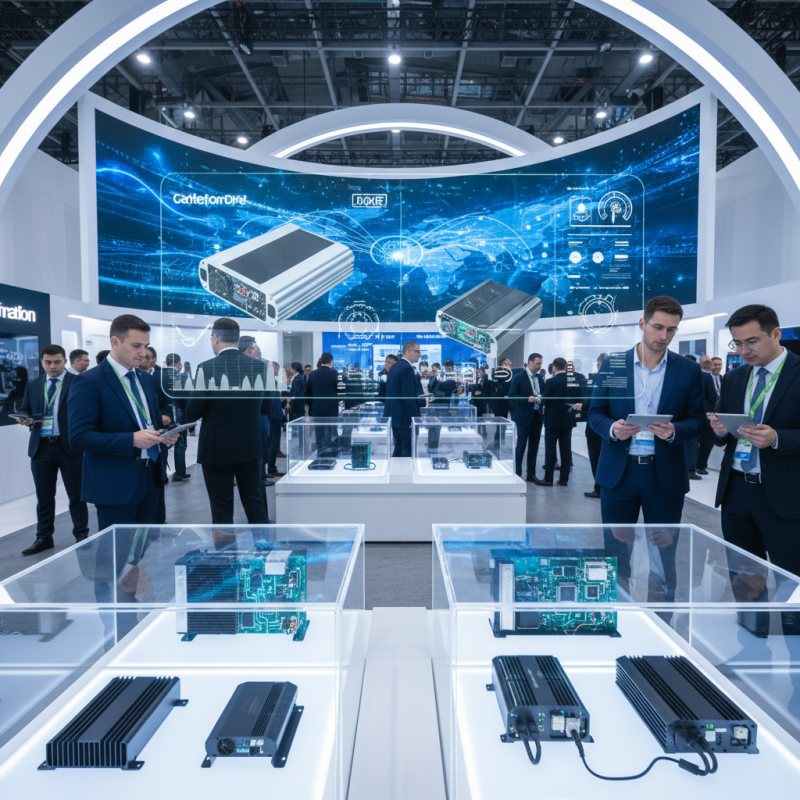
High Frequency Power Inverter Highlights at Canton Fair 2026?

High Frequency Power Inverter Overview and Market Trends

High frequency power inverters are gaining traction in today's market. They offer remarkable efficiency and compact designs compared to traditional models. According to a recent market analysis, the global high frequency inverter market is projected to grow by 10.5% annually through 2028. This trend reflects the increasing demand for renewable energy solutions and energy-efficient technologies.

The demand for high frequency power inverters is driven by various sectors. These include solar energy systems, uninterruptible power supplies, and electric vehicles. As industries pursue sustainability, these inverters provide a reliable solution. They enhance the performance of renewable energy systems, reducing energy losses significantly. However, the technology still faces challenges. High operational costs and a steep learning curve for users can hinder widespread adoption.

Market players are focusing on innovation to address these issues. Integration with smart grid technologies is a notable trend. Reports indicate that the push for grid resilience is influencing inverter features. Enhanced safety measures and adaptive performance are vital for market competitiveness. The industry must also prioritize user education to ensure effective utilization of new technologies. Addressing these areas can strengthen the high frequency inverter market in the coming years.

High Frequency Power Inverter Highlights at Canton Fair 2026

Feature Specification Market Trend
Output Power 1-10 kW Increasing demand in renewable energy integration
Efficiency Rating >90% Focus on energy savings and sustainability
Input Voltage Range 90-260V AC Adaptability for various applications
Control Type Microcontroller based Growing trend in automation and smart technology
Cooling Method Fan/Heatsink Demand for compact and efficient designs
Key Applications Solar, UPS, and Industrial Machines Expansion in various sectors, especially renewable energy

Key Benefits of High Frequency Power Inverters in Energy Conversion

High frequency power inverters are becoming essential in energy conversion. They operate at higher switching frequencies, leading to better efficiency and reduced physical size. According to recent industry reports, these inverters can achieve efficiencies exceeding 95%. That’s a remarkable improvement compared to traditional inverters.

One of the standout benefits is their ability to convert energy more effectively. High frequency inverters reduce energy loss in the conversion process. This can result in significant cost savings over time. According to a study by the International Energy Agency, energy efficiency improvements in inverters could lead to global energy savings equivalent to the annual electricity consumption of France.

However, users must consider the initial investment. High frequency inverters can be more expensive. Their complexity also means they may require specialized knowledge for installation and maintenance. This presents challenges for end-users and installers. Awareness of these factors is crucial for making informed decisions. Choosing the right inverter requires balancing initial costs with long-term benefits.

Technological Advancements in High Frequency Inverter Designs

The Canton Fair 2026 will showcase several advancements in high frequency inverter technology. These developments promise efficiency and performance improvements. High frequency inverters are increasingly being used in various applications, from renewable energy systems to consumer electronics.

Recent designs feature lighter materials and compact structures. This change reduces the overall weight and size of the inverters. However, the challenge remains in maintaining thermal management. As these devices become more efficient, they also generate more heat. The industry must address cooling solutions to prevent overheating.

Another point of interest is the user interface. Many new models now offer smart technology integration. Users can monitor performance through mobile apps. Yet, the reliance on technology raises concerns about accessibility. Not everyone may find it easy to adapt to these innovations. Balancing high-tech solutions with user-friendliness is crucial.

Industry Standards and Regulatory Compliance for Inverters

The trend of high frequency power inverters is growing rapidly. The Canton Fair 2026 will showcase advancements that align with current industry standards. Regulatory compliance is a pressing issue. Inverters must meet specific safety and performance benchmarks. Reports suggest that non-compliance can result in significant penalties. Companies need to remain vigilant in this aspect.


According to a recent report from the International Energy Agency, global demand for advanced inverters is set to increase by 15% annually. This growth emphasizes the need for manufacturers to embrace proper testing protocols. Many still overlook this crucial step. Testing can reveal flaws that lead to poor performance or safety hazards. Avoiding these tests could prove detrimental.


Tips: Ensure that your inverters meet local regulatory standards. Check for certifications from recognized organizations. Focus on long-term compliance, not just initial approval. Regular audits can help maintain these standards. Embrace continuous improvement in design and manufacturing processes. This proactive approach will benefit both the company and its customers. Keep in mind that even small issues can have significant impacts.

Future Projections for High Frequency Inverter Adoption Rates

The Canton Fair 2026 showcased an array of high-frequency power inverters. Excitement surged around their advanced technology and efficiency. As the need for renewable energy grows, these inverters are gaining popularity across various sectors.

According to experts, the adoption rates of high-frequency inverters are expected to rise significantly in the coming years. Predictions suggest a steady increase of around 20% annually. This trend reflects the global shift toward sustainable energy solutions. Consumers are becoming more aware of the environmental impact. They desire products that offer both performance and eco-friendliness.

Tips for consumers: Research different inverter types before purchasing. Pay attention to specifications and performance metrics. Choosing the right inverter can yield long-term benefits. However, some users report challenges in understanding complex specifications. Seek out resources or experts if needed. This investment can lead to a more efficient energy setup, even if initial choices may seem daunting.

Have Questions?

Talk to a product specialist today: 1-800-308-6788

Snake Tray Catalog

snake tray® CATALOG

the new catalog is here. AVAILABLE IN PRINT AND ONLINE.

DOWNLOAD A PDF REQUEST A PRINTED COPY
CALL US TODAY