What is Galvanized Steel Wire and Its Applications?
Galvanized Steel Wire is an essential material in various industries today. Expert Mark Thompson, a leading engineer in metallurgy, emphasizes its importance by stating, "Galvanized Steel Wire provides unmatched durability in harsh environments." This statement highlights its vital role in applications such as construction, agriculture, and manufacturing.
The process of galvanization involves coating steel wire with zinc. This protective layer prevents rust and extends the wire's lifespan. Industries rely on Galvanized Steel Wire for its strength and resistance to corrosion. In agriculture, it is used for fencing and trellises.
While Galvanized Steel Wire is favored for many applications, challenges remain. For instance, not all grades of galvanized wire are equal. Some may exhibit lower durability, depending on manufacturing processes. Strength and compatibility issues may arise when used in specific settings. Understanding these nuances is essential for making informed decisions in industry applications.
What is Galvanized Steel Wire? Definition and Properties
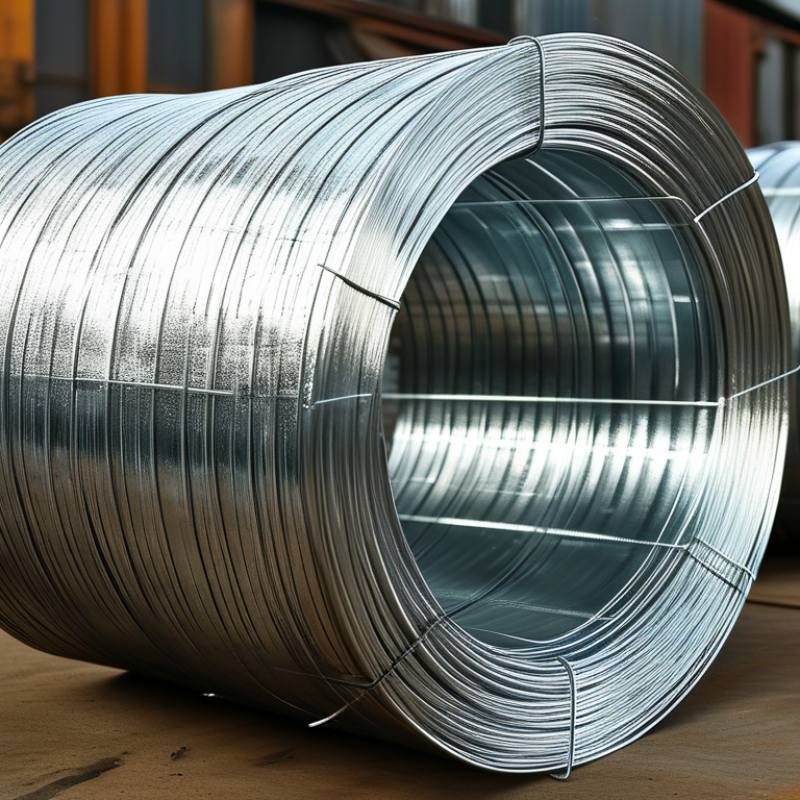
Galvanized steel wire is a versatile material widely used in various industries. It is made by coating steel wire with a protective layer of zinc. This process helps prevent rust and corrosion, making it suitable for outdoor applications. The wire is typically available in different diameters, which can range from very thin to quite thick.
One significant property of galvanized steel wire is its strength. It can withstand various stresses, making it ideal for construction and agricultural uses. People often use it for fencing, binding materials, and even in the production of wire mesh. However, sometimes the coating can chip or peel, leading to potential corrosion. This is an aspect that requires attention in applications that demand long-term durability.
Another consideration is the environmental impact. While galvanized steel can last a long time, the production process involves chemicals that could pose risks if not properly managed. Users should weigh the benefits against these factors. Galvanized steel wire remains a reliable choice for many, but like any material, it has limitations that must be considered for specific projects.
Manufacturing Process of Galvanized Steel Wire: Techniques and Standards
The manufacturing process of galvanized steel wire is vital for enhancing its durability. This process involves dipping steel wire into molten zinc. This method forms a protective coating that prevents corrosion. The American Galvanizers Association (AGA) states that galvanized steel's lifespan can extend to 50 years under normal conditions. Despite its advantages, not all processes achieve the same level of adhesion. Variables like temperature and surface preparation play significant roles.
The most common techniques include hot-dip galvanizing and electro-galvanizing. Hot-dip galvanizing typically produces a thicker coating. It often results in better corrosion resistance. However, electro-galvanizing offers a smoother finish. Industry studies suggest that the quality of the zinc layer varies significantly based on the chosen method. This inconsistency can impact performance in various applications, from construction to agriculture.
Standards such as ASTM A641 and ASTM A153 provide guidelines for galvanized steel wire. They specify coating thickness and tensile strength requirements. Following these standards ensures a more reliable product. However, adherence can be challenging in some manufacturing environments. Instances of poorly prepared surfaces lead to subpar outcomes. Continuous improvement and monitoring processes are necessary to overcome these issues.
Key Applications of Galvanized Steel Wire in Various Industries
Galvanized steel wire is a versatile product widely used across various industries. Its protective zinc coating prevents rust and corrosion, making it ideal for outdoor applications. This wire finds essential uses in construction, agriculture, and manufacturing. In construction, galvanized steel wire serves various purposes, from reinforcing concrete to securing fences.
In agriculture, farmers rely on this wire for fencing livestock. It also plays a crucial role in trellising plants. The strength and durability of galvanized steel wire support the needs of diverse farming practices. Moreover, its flexibility allows for easy installation, which saves time and labor costs.
The manufacturing sector benefits from galvanized steel wire for producing products like springs, wire mesh, and even hangers. It’s crucial for industries that require high tensile strength and longevity. Companies often prefer this material, but some may overlook specific corrosion risks. Analyzing long-term environmental impacts could enhance its application. Different projects may call for a thorough assessment before using galvanized wire. This way, users ensure it meets all necessary durability requirements.
Advantages of Using Galvanized Steel Wire Over Other Materials
Galvanized steel wire provides exceptional strength and durability, making it a preferred choice in various applications. Its coating offers resistance to rust and corrosion, adding to its longevity. This wire is often used in construction, agricultural fencing, and even in crafts. Compared to other materials, galvanized steel wire has distinct advantages.
One major benefit is its weather resistance. Unlike plastic or untreated steel, galvanized wire withstands harsh climates. It can endure exposure to moisture and chemicals, making it ideal for outdoor use. The added zinc coating acts as a protective barrier, prolonging the wire's lifespan.
**Tips:** When choosing wire for your project, consider the environmental conditions it will face. Determine if rust resistance is important for your application. Always assess the tensile strength needed for your specific use case.
While galvanized steel wire excels in many areas, there are considerations. Heavy use can lead to wear over time. It's wise to inspect the wire periodically for signs of fatigue. Balancing strength with application needs is essential. By doing this, you ensure reliability and safety in your projects.
Market Trends and Future Outlook for Galvanized Steel Wire Industry
The galvanized steel wire industry is experiencing noticeable changes. Increased demand in construction and manufacturing sectors drives growth. More industries recognize the benefits of using galvanized wire for its durability and resistance to rust. As infrastructure projects expand globally, galvanized steel wire becomes essential in various applications, from fencing to cable production.
Market trends point to a rising focus on sustainability. Manufacturers are exploring eco-friendly practices in production processes. This shift reflects growing consumer preferences for sustainable materials. However, challenges persist. Variability in raw material prices can affect production costs. Additionally, competition from alternative materials complicates market dynamics.
Future projections indicate a robust growth trajectory for galvanized steel wire. Technological advancements may enhance production efficiency and performance. Still, companies must navigate potential regulatory changes. Adapting to evolving industry standards will be crucial. Stakeholders must remain agile to harness opportunities in this competitive landscape.