What is an Electrical Outlet and How Does It Work in Your Home
Understanding electrical outlets is crucial for maintaining the functionality and safety of our homes. An electrical outlet, often referred to as a socket, serves as a critical interface for delivering electrical power to various devices and appliances. According to a report by the National Electrical Manufacturers Association (NEMA), more than 90% of homes in the United States are equipped with multiple electrical outlets, highlighting their ubiquitous presence in our daily lives.
As noted by Dr. Mark Johnson, a leading expert in electrical engineering, "The electrical outlet is the lifeline of modern living; it transforms static electricity into power, enabling our technology-driven lifestyle." This underscores the importance of having a reliable electrical outlet system in place, as it directly impacts energy efficiency and overall electrical safety within a household. Understanding how these outlets work—ranging from standard configurations to safety features—is essential as we strive for smarter and safer living environments in our electrically-dependent society.
What is an Electrical Outlet?
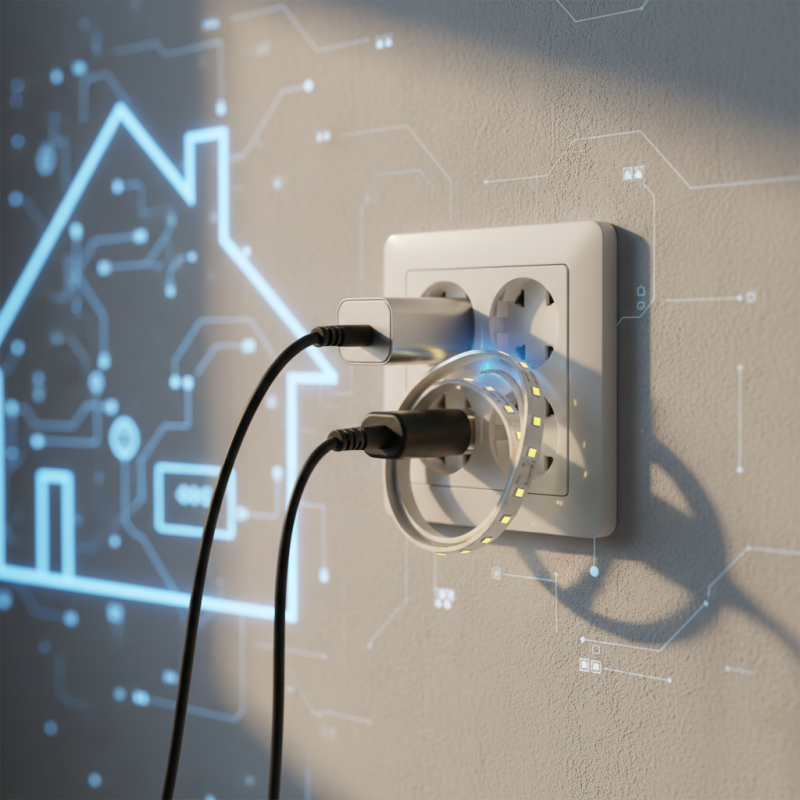
An electrical outlet, also known as a receptacle, is a crucial component of a home’s electrical system. It provides access to electrical power, allowing residents to plug in various devices and appliances safely. Typically mounted on walls, outlets come in various designs and configurations to accommodate different plug types and applications. Their primary function is to convert electrical currents from the home’s wiring into usable power for everyday devices, from kitchen appliances to electronic gadgets.
Inside an electrical outlet, metal contacts connect with the prongs of a plug, creating a closed circuit that enables the flow of electricity. When a device is plugged into an outlet, it completes this circuit, allowing the current to power the device. The configuration of the outlet, including features like grounding and circuit breakers, ensures user safety and protects against electrical faults. Modern outlets often include additional features, such as USB ports, which provide convenient charging options for portable electronics. Understanding the role of electrical outlets in a home can help individuals use electricity more efficiently and safely.
Types of Electrical Outlets Commonly Used in Homes
When it comes to electrical systems in homes, several types of outlets fulfill various purposes, each designed to accommodate specific electrical needs. The most common outlet type is the standard 120-volt outlet, typically found in living rooms, bedrooms, and kitchens. These outlets have two vertical slots and are used for most household devices like lamps, chargers, and appliances. They are versatile and compatible with a wide range of equipment, making them essential in everyday use.
Another prevalent type is the GFCI (Ground Fault Circuit Interrupter) outlet, which is especially important in areas with moisture, such as bathrooms and kitchens. GFCI outlets help prevent electrical shock by shutting off the power if there is a ground fault detected, providing an extra layer of safety. Additionally, there are outlets designed for high-power appliances, such as 240-volt outlets often used for devices like dryers and electric stoves. These outlets are equipped to handle more electricity, ensuring that they can properly power heavier machinery without risk of overheating or failure. Each outlet type plays a crucial role, ensuring electrical safety and functionality throughout the home.
What is an Electrical Outlet and How Does It Work in Your Home - Types of Electrical Outlets Commonly Used in Homes
| Outlet Type |
Description |
Common Uses |
Voltage Rating |
Amperage |
| Standard Outlet |
A typical wall outlet found in most homes. |
General household appliances. |
120V |
15A |
| GFCI Outlet |
Ground Fault Circuit Interrupter; protects against electrical shocks. |
Bathrooms, kitchens, outdoors. |
120V |
15A or 20A |
| Specialty Outlet |
Designed for specific appliances with higher power needs. |
Electric stoves, dryers. |
240V |
30A |
| USB Outlet |
Includes USB ports for charging devices. |
Smartphones, tablets. |
120V |
2.1A |
| Smart Outlet |
Allows for remote control and automation of devices. |
Home automation devices. |
120V |
15A |
Understanding How Electrical Outlets Function
Electrical outlets play a crucial role in powering our homes, serving as the access points for electricity to flow from the electrical system into our devices. When you plug an appliance into an outlet, metal prongs on the plug connect with the outlet's terminals, completing an electric circuit. The current flows through the conductive materials and powers your devices. Most outlets in residential homes are designed to handle standard voltage levels, which ensures safe and efficient operation of everyday electrical gadgets.
To keep your electrical system functioning properly, it’s essential to practice a few simple tips. First, regularly check for any signs of wear or damage on outlets and cords, as this can prevent potential hazards. Second, avoid overloading outlets by plugging in too many devices at once; this can lead to overheating and increase the risk of electrical fires. Lastly, consider using surge protectors for sensitive electronics to safeguard against voltage spikes.
Understanding how electrical outlets work can empower homeowners to maintain safe and effective electrical systems. By applying these tips, you can help ensure that your electrical outlets remain in good working condition, providing reliable power for all your home’s electrical needs.
Understanding Electrical Outlet Usage in Homes
Safety Features of Electrical Outlets
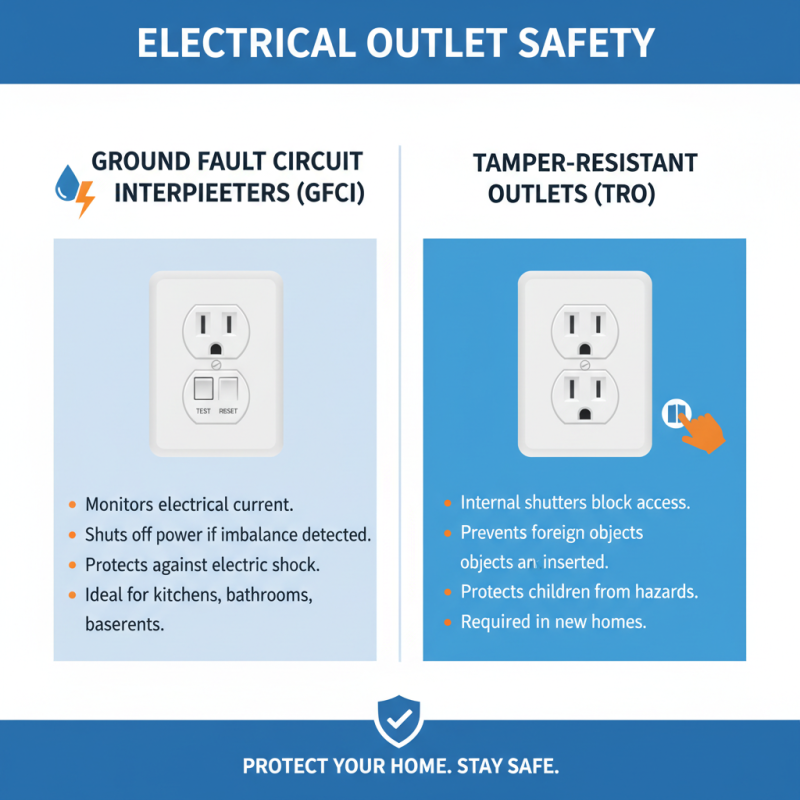
Electrical outlets serve as vital gateways for powering devices within our homes, but their safety features are equally critical to preventing accidents. Common safety mechanisms include ground fault circuit interrupters (GFCIs) and tamper-resistant outlets. GFCIs monitor the electrical current flowing through a circuit and automatically shut off the power if they detect imbalances, which could indicate a short circuit or electrocution risk, especially in areas exposed to moisture such as kitchens and bathrooms.
Tamper-resistant outlets are designed to reduce the risk of electrical shock, particularly for children. They feature internal shutters that prevent the insertion of foreign objects unless equal pressure is applied to both slots, ensuring that only appropriately designed plugs can be used. Additionally, many outlets are now equipped with surge protectors, which help shield devices from voltage spikes caused by lightning or power surges, further enhancing household safety. Collectively, these features are essential for minimizing risks and fostering a safer environment in our homes.
Troubleshooting Common Outlet Issues in Households
When it comes to troubleshooting common outlet issues in households, the first step is to identify the symptoms. Frequent tripping of circuit breakers or blown fuses may indicate an overloaded circuit or a fault in the wiring. If an outlet feels warm to the touch, this could be a sign of a serious electrical problem that requires immediate attention. Additionally, outlets that have a burning smell or visible damage are clear indicators that the outlet might need repair or replacement.
Another common issue is the presence of dead outlets that no longer supply power. In such cases, it’s important to check if other outlets in the same area are also affected, which might point to a larger circuit issue. Using a voltage tester can help determine if the outlet is indeed dead or if it simply needs to be reset. For GFCI outlets, pressing the reset button can often resolve the issue. If problems persist after addressing these common scenarios, consulting a qualified electrician can ensure that the underlying cause is properly diagnosed and remedied, maintaining safety in the home.