What are Control Components and How Do They Work?
Control Components are essential in various industries, shaping the way systems operate and respond. According to Dr. Sarah Johnson, a leading expert in control systems, "Control components are the backbone of automated systems." These components help regulate processes, maintain stability, and ensure efficiency.
In a world where precision is critical, understanding control components becomes vital. These elements range from sensors to actuators, each serving a specific function. For instance, sensors detect changes in environmental conditions, while actuators execute commands to adjust those conditions. However, it is easy to overlook the complexity involved in their integration.
Despite their importance, there are challenges. Not all control components communicate effectively. Misalignment can lead to system failures and inefficiencies. Therefore, continuous improvement and reflection on these components are necessary. As we explore the intricacies of control components, we must remain aware of potential gaps and seek solutions to enhance their functionalities.
Definition and Overview of Control Components
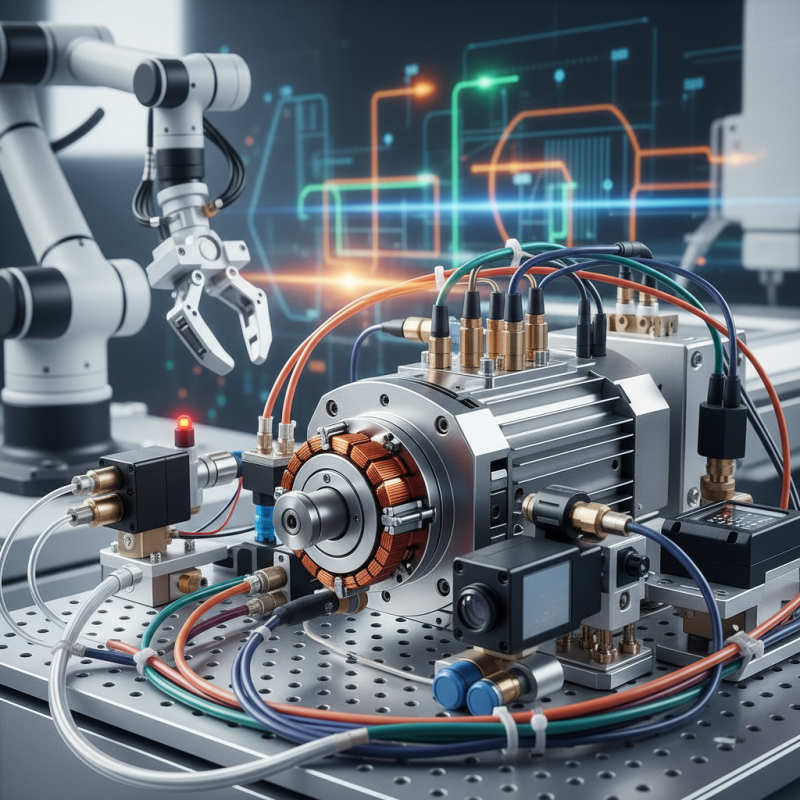
Control components are essential elements in various systems. They manage and regulate processes, ensuring everything functions smoothly. From simple home appliances to complex industrial machines, control components play a crucial role. Their primary purpose is to maintain desired performance through feedback and adjustment.
These components come in various forms. Sensors detect conditions, while controllers process data and make decisions. Actuators perform the actual adjustments. For example, in a temperature control system, a thermostat measures the temperature. If it goes above a set level, the thermostat signals the cooling system to kick in. This interplay is vital for maintaining optimal operation.
Tips: When selecting control components, consider compatibility. Parts from different manufacturers may not function well together. Additionally, regularly check for wear and tear. Components can degrade over time, affecting performance. Monitoring helps identify these issues early.
Sometimes, systems can behave unexpectedly. Erratic responses may indicate a need for recalibration. Don't overlook simple issues, like a dirty sensor. Regular maintenance can prevent bigger problems down the line. Understanding the basics of these components can improve system resilience.
Types of Control Components and Their Functions
Control components play a vital role in various industries, ensuring processes run smoothly. They can be classified into three main types: sensors, actuators, and controllers. Each type has distinct functions. Sensors detect changes in the environment, providing data for analysis. For instance, temperature sensors monitor heat levels, crucial in manufacturing settings.
Actuators are responsible for executing actions based on sensor readings. They convert signals into physical motion. For example, a valve actuator regulates fluid flow. Controllers, on the other hand, process data from sensors and command actuators to respond appropriately. According to industry reports, the global market for control components is projected to grow by 8% per year.
Tips: Regular maintenance of sensors is essential. Poor calibration can lead to inaccuracies. This not only affects efficiency but may also result in safety hazards. Additionally, investing in smart actuators can improve responsiveness. Yet, organizations should be cautious. Over-reliance on automation can create vulnerabilities. Careful balance is needed.
Working Principles of Control Components
Control components play a vital role in automation systems. They help regulate processes by managing variables like temperature, pressure, and flow rate. The working principles of these components rely on feedback loops and setpoints. A sensor measures a variable and sends data to a controller, which then decides how to adjust the system.
In practice, the controller might activate a valve, a motor, or a heater. This action alters the system conditions, creating the desired effect. However, not all systems operate seamlessly. Delays in feedback can lead to oscillations, making control difficult. It’s essential to calibrate these components regularly.
Many users overlook the importance of maintenance. Properly functioning sensors are crucial. A malfunctioning sensor can deliver inaccurate data. This, in turn, leads to poor decisions by the controller. Small errors can snowball into significant issues. Over time, evaluating the effectiveness of control strategies reveals areas for improvement.
Applications of Control Components in Various Industries
Control components play a crucial role across various industries. They are essential in managing machinery and processes. In manufacturing, these components help automate production lines. This leads to increased efficiency and reduced human error. For example, sensors detect temperature changes during production. If a machine runs overheated, the control component can trigger an alarm and shut it off.
In the healthcare industry, control components monitor vital signs. Devices can adjust medication dosages based on patient data. This dynamic response can be life-saving but may not always be flawless. Over-reliance on technology can lead to overlooking human judgment. Additionally, the agricultural sector uses control components for irrigation systems. Sensors measure soil moisture levels, optimizing water use. While beneficial, this technology requires regular maintenance to function effectively.
Despite their advantages, control components are not without challenges. Regular calibration is essential, yet often overlooked. Malfunctions can cause expensive downtimes. Workers need training to understand these systems. The integration of new technologies must be handled carefully. Balancing efficiency with human input remains a work in progress.
Applications of Control Components in Various Industries
Future Trends in Control Component Technology
In the rapidly evolving world of control component technology, several trends are shaping its future. One significant trend is the integration of artificial intelligence (AI). This allows control systems to learn and adapt. Systems can optimize operations based on real-time data. However, this raises questions about reliability. Dependence on AI may lead to unforeseen issues.
Another emerging trend involves the shift towards miniaturization. Smaller components can enhance efficiency and save space in various applications. For example, they can fit into devices that previously lacked room for advanced controls. However, miniaturized components may face durability challenges. The trade-off between size and robustness needs careful consideration.
Moreover, sustainability is gaining traction. Manufacturers aim to create eco-friendly control components. This involves using recyclable materials and energy-efficient designs. Yet, the balance between price and sustainability can be difficult. Customers may want greener options but hesitate to pay more. These trends reflect an ongoing evolution, marked by both innovation and reflection on potential downsides.
What are Control Components and How Do They Work? - Future Trends in Control Component Technology
| Component Type | Functionality | Technology Trends | Future Applications |
| Temperature Sensors | Monitor and control temperature | Integration with IoT and smart systems | Smart homes, industrial automation |
| Pressure Regulators | Maintain and control fluid pressure | Advanced materials for durability | Oil & gas, water management |
| Actuators | Convert energy into motion | Robotics and automation innovation | Manufacturing, automotive |
| Flow Meters | Measure fluid flow rates | Wireless data transmission | Agriculture, HVAC systems |
| Valves | Control the flow of fluids | Smart valve technology | Water treatment, chemical processing |