How to Choose the Right Black Cable Tray for Your Project?
Selecting the right black cable tray is crucial for any electrical project. The market for cable management solutions is growing. According to a report by MarketsandMarkets, the cable management system market is expected to reach $5.4 billion by 2026. This growth reflects the increasing emphasis on efficient space management and safety in installations.
Black cable trays not only enhance aesthetics but also offer practical benefits. They provide a durable solution for organizing and protecting electrical cables. Proper selection can influence the performance and longevity of your electrical system. However, many choose trays without considering their specific needs.
Understanding material, size, and installation ease is essential. For instance, metal trays may offer strength, while plastic ones provide lightweight options. Mistakes in choosing could lead to costly reworks. Careful evaluation of project requirements ensures optimal outcomes, ultimately reflecting professional knowledge and experience in cable management.
Understanding the Different Types of Black Cable Trays Available
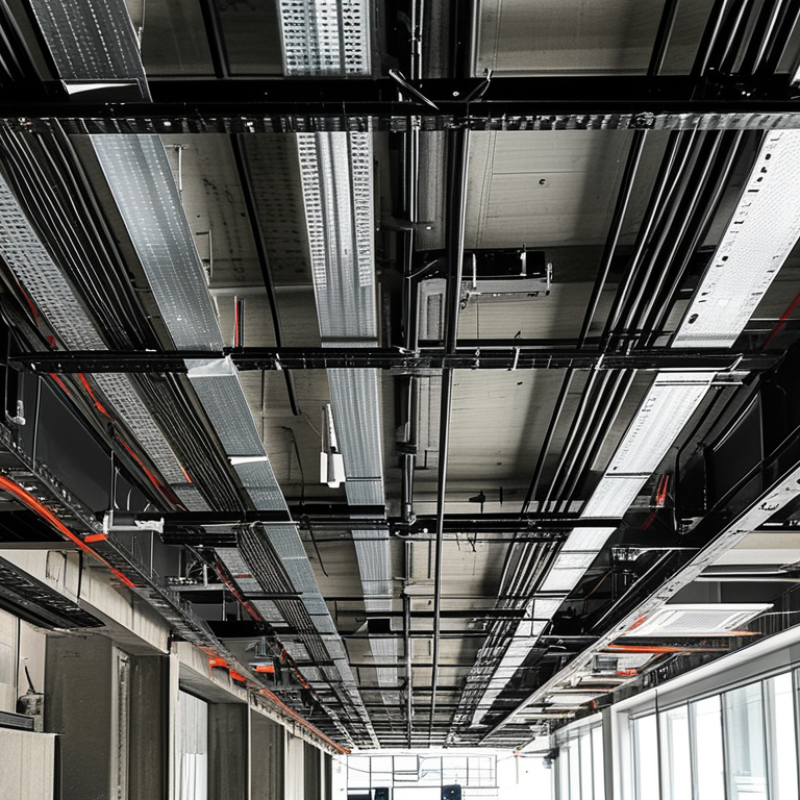
When selecting the right black cable tray for your project, understanding the various types available is crucial. Black cable trays are commonly fabricated from materials like steel, aluminum, or PVC, each serving different environments and purposes. According to a recent industry report, more than 55% of professionals prefer ladder-type trays for their ease of installation and airflow, which are essential for cooling cables.
Solid-bottom trays are another option, accommodating high-density cable installations. They reduce cable interference but may retain heat. Industry research indicates that nearly 30% of projects use solid-bottom trays, especially in data centers. Additionally, wire mesh trays offer lightweight structures, promoting easy cable management, and flexibility. These trays have seen a growth rate of about 10% in the market due to their versatility.
It's essential to consider the installation environment when choosing a tray type. For instance, corrosive environments often require specialized coatings or materials. Neglecting this can lead to premature failure or safety risks. Each type of black cable tray presents its challenges, making it vital to analyze specifications and application requirements closely before making a decision.
How to Choose the Right Black Cable Tray for Your Project?
| Type of Cable Tray |
Material |
Weight Capacity (lbs) |
Applications |
Installation Method |
| Standard Ladder Tray |
Steel |
1000 |
Commercial Wiring, Data Centers |
Bolted |
| Wire Mesh Tray |
Stainless Steel |
250 |
Lightweight Cabling, TV and Audio Systems |
Hanging |
| Solid Bottom Tray |
Aluminum |
800 |
Heavy-Duty Industrial Applications |
Welded |
| Perforated Tray |
Steel |
600 |
Power Distribution, Control Systems |
Suspended |
| Cable Trunking |
PVC |
150 |
Residential/Commercial Spaces |
Adhesive or Screwed |
Evaluating the Load Capacity and Size Requirements for Your Project
When selecting a black cable tray, assessing the load capacity is crucial. Different projects require varying levels of weight support. According to industry reports, a standard cable tray can typically bear between 50 to 1,000 pounds. This variation depends on the material, design, and specific configuration. If your project involves heavy cables, you must choose a tray that accommodates this load without risk of bending or breaking.
Size requirements also play a key role. An improperly sized cable tray can lead to overcrowding, resulting in heat build-up and potential cable damage. The National Electrical Manufacturers Association (NEMA) provides guidelines on spacing and width based on cable types. For instance, trays that are too narrow may not support adequate airflow, essential for cable longevity.
Consider these points: ensure the cable tray fits your installation space. A secure fit minimizes movement during installation. Also, think about future expansion; select a larger tray if you anticipate increased cable loads. Evaluate the materials' compatibility with environmental factors. This precaution can save on replacements and repairs.
Choosing the Right Black Cable Tray: Load Capacity and Size Requirements
Assessing Material Durability and Resistance in Cable Tray Selection
Choosing the right black cable tray for your project means assessing its material durability and resistance. Various materials offer distinct advantages depending on environmental factors. For instance, galvanized steel provides excellent strength and resistance to corrosion. However, it can be prone to rust when exposed to moisture over time. In contrast, aluminum trays resist corrosion and are lightweight but may not offer the same structural integrity as steel.
When selecting a cable tray, consider the specific environment. If the tray will be exposed to chemicals, a fiberglass option may be ideal. This material excels in harsh environments and is resistant to many acids and solvents. It can sustain high temperatures, yet its cost could be higher than metal alternatives.
Tips for selection: Review industry reports focusing on material testing data. Understand the environmental conditions; excessive humidity or exposure to solvents can compromise durability. Research studies show that untreated metal trays degrade significantly faster than their treated counterparts. Always weigh the long-term costs against the initial investment in materials when making your choice.
Identifying Installation Requirements and Compatibility with Existing Systems
When selecting a black cable tray, it's crucial to consider installation requirements and compatibility with existing systems. According to industry reports, approximately 45% of cable management issues stem from inadequate planning. Assess the environment where the trays will be installed. Will they be exposed to elements? If so, opting for corrosion-resistant materials is essential.
Understanding the existing systems in your infrastructure is equally important. Many facilities use modular setups. A tray that complements the current framework will save time and cost. In fact, studies show that mismatched systems can lead to an additional 30% in installation costs. Make sure to measure existing conduit sizes. This will help in choosing a tray that fits seamlessly.
Before making a purchase, analyze the load capacity of the tray. The National Electrical Manufacturers Association recommends a safety factor of at least 25%. Have a clear plan for cable pathways. This can avoid confusion and errors during installation. Compatibility isn't just about size. It’s about functionality too. Consider future expansions when selecting your tray. This foresight can prevent costly modifications down the line.
Considering Aesthetic and Functional Factors in Design Choices
Choosing the right black cable tray is crucial for any project. An effective design goes beyond mere functionality; it also influences the overall aesthetic. The right tray should blend seamlessly with your environment. Consider its shape and finish. A sleek, matte finish can create a modern look. A textured surface may enhance the visual interest in more industrial settings.
Functionality is equally important. Make sure the cable tray accommodates wire sizes and weights properly. An inadequately sized tray can lead to issues over time. For instance, too much tension can damage cables. Additionally, a poorly designed tray may become a safety hazard. Opt for trays that offer easy installation and maintenance. These details will save time and money in the long run.
Reflect on how color affects your design. Black can be a striking choice, but it may also absorb heat. Evaluate how this could impact your cables. Ensure your selection not only fits the space visually but also meets high standards of safety and usability. Your project deserves nothing less than quality and care in all selections.