2026 How to Choose the Best Pneumatic Winch for Your Needs?
When choosing a Pneumatic Winch, the right guidance is essential. Industry expert John Harris once stated, "Selecting a pneumatic winch is about matching your specific needs to the equipment's capabilities." This insight underscores the importance of understanding both the tools available and your project requirements.
Pneumatic winches offer significant advantages in various applications. They are known for their reliability and efficiency in demanding environments. However, not all pneumatic winches are created equal. Each model serves different purposes and comes with distinct specifications. Knowing what to look for is crucial.
Consider weight, lifting capacity, and power sources available. High-quality pneumatic winches can enhance productivity and safety. However, misjudging your needs may lead to inadequate performance or unnecessary costs. Reflect on your specific tasks and how a pneumatic winch can meet them effectively. Remember, the right choice will enhance your project outcomes and ensure operational success.
Understanding Pneumatic Winches: Types and Applications
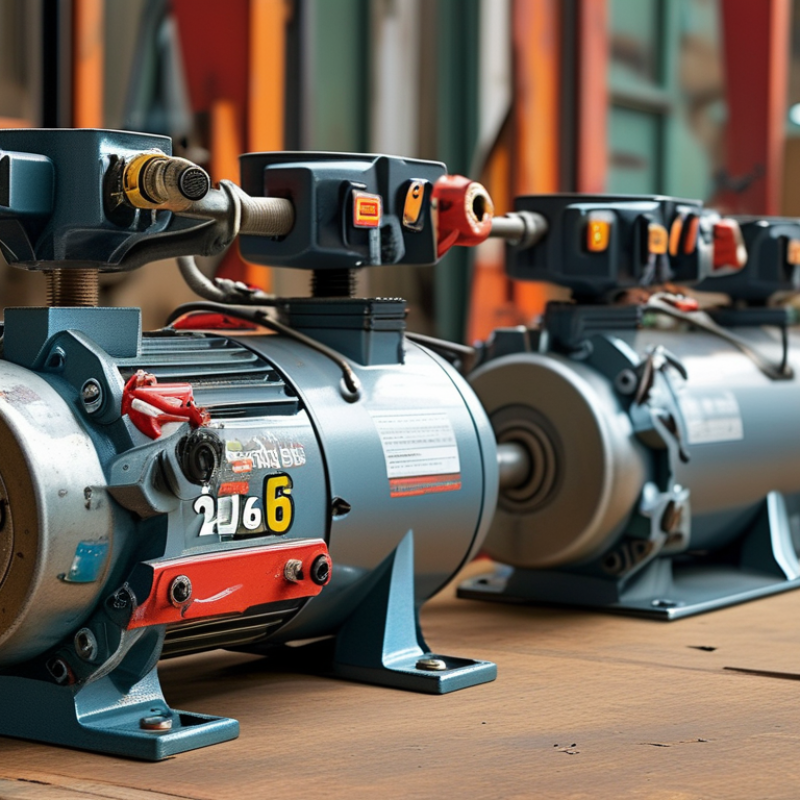
Understanding pneumatic winches is crucial for various industries, including construction, marine, and automotive. These winches utilize compressed air to lift and pull heavy loads efficiently. They come in various types, each suited for specific applications. For instance, lightweight models work well for portable uses, while heavy-duty options are best for industrial settings.
In a 2022 industry report, it was noted that pneumatic winches have a higher power-to-weight ratio than electric winches. This makes them perfect for environments where space and weight are concerns. Additionally, they can function in wet or explosive atmospheres, presenting a significant advantage in certain fields. However, the selection process requires careful consideration of the winch's load capacity, speed, and air source.
Tips: Always assess the surroundings where the winch will operate. Choose a model with adequate safety features. Regular maintenance is key to ensuring long-lasting performance. Some users overlook potential air supply issues, which can hinder operation.
Selecting the right pneumatic winch involves understanding your specific needs. Think about how often and in what conditions the winch will be used. Overestimating or underestimating requirements can lead to frustration and inefficiency. Employing industry-standard calculations can provide clarity.
Key Factors to Consider When Choosing a Pneumatic Winch
When selecting a pneumatic winch, several key factors warrant attention. Consider the winch’s lifting capacity. This should align with your specific needs. Operating pressure is another critical aspect. Ensure it matches your air supply. The right choice will enhance performance and efficiency.
Durability is essential. Look for winches made from high-quality materials. A reliable winch will withstand demanding conditions. Weight plays a role too. Choose a model that is manageable for your environment.
Tips: Assess the environment where you will use the winch. Different settings require different features. Check for safety features as well. Protecting operators is non-negotiable. Regular maintenance is vital. Neglect can lead to breakdowns and unnecessary costs. Always prioritize safety and reliability when making your decision.
Assessing Load Capacity for Optimal Performance
When selecting a pneumatic winch, assessing load capacity is crucial for optimal performance. Industry reports indicate that nearly 25% of equipment failures relate to improper load assessment. Knowing how much weight your winch can handle ensures safety and efficiency. It's essential to consider both static and dynamic load capacities. The former refers to the weight the winch can hold when stationary, while the latter involves pulling forces during operation. Miscalculating these can lead to serious accidents.
Tips: Always check your winch's manual for specifications. A winch may have a rated capacity, but environmental factors can alter this. Consider factors like angle of pull and surface friction, which can affect performance.
Another concern is the winch's duty cycle. Industry standards suggest a ratio of 50% duty cycle for continuous use. If you're operating for prolonged periods, ensure your winch can handle such demands. Regularly inspecting your equipment for wear and tear can prevent issues. Sometimes, operators ignore minor signs, which can lead to major failures later. Testing load limits under controlled conditions can provide better insights into performance and safety margins.
Evaluating Air Supply and Pressure Requirements
When selecting a pneumatic winch, understanding air supply and pressure requirements is crucial. The typical working pressure for pneumatic systems ranges from 90 to 120 PSI. This range ensures effective lifting and pulling capability. According to industry reports, pneumatic winches can achieve a pulling force of up to 6,000 pounds at optimal pressure levels. However, exceeding this pressure can lead to mechanical failures or accidents.
Evaluating your air supply system is just as important as understanding pressure. Many pneumatic winches require a minimum air flow rate, often around 4 to 10 CFM (cubic feet per minute). Insufficient airflow can result in sluggish operation. Users should assess their air compressor's capabilities. A compressor that meets the winch’s demands will provide a more reliable performance.
For safety, consider the environment where the winch will be used. High humidity or extreme temperatures can affect air supply efficiency. It's also crucial to inspect hoses and fittings regularly. Faulty components can lead to reduced pressure or leaks. While pneumatic winches offer great versatility, their effectiveness heavily relies on appropriate air supply management.
2026 How to Choose the Best Pneumatic Winch for Your Needs? - Evaluating Air Supply and Pressure Requirements
| Winch Type | Air Supply Requirement (CFM) | Operating Pressure (PSI) | Load Capacity (lbs) | Weight (lbs) |
| Single Acting Pneumatic Winch | 10 | 90 | 1500 | 45 |
| Double Acting Pneumatic Winch | 15 | 100 | 2500 | 55 |
| Industrial Pneumatic Winch | 25 | 120 | 5000 | 85 |
| Portable Pneumatic Winch | 8 | 80 | 1000 | 30 |
| Heavy-Duty Pneumatic Winch | 30 | 150 | 7500 | 110 |
Comparing Features and Accessories for Enhanced Functionality
When selecting the right pneumatic winch, it's crucial to analyze its features and accessories. Look for a winch that has adjustable speed settings. This can help you control the load more efficiently. A winch with a built-in pressure gauge can also enhance your functionality. It provides real-time data, ensuring you're not overloading the equipment.
Consider optional accessories like remote controls and rope spooling devices. A remote control enables safer operation from a distance. This feature is especially useful in tight or hazardous work environments. Spooling devices help prevent tangles and improve load management, making your tasks smoother.
Pay attention to durability and compatibility. Some winches may not fit all pneumatic systems. This can lead to issues during operation. Invest time in research to ensure compatibility with existing equipment. Your chosen winch should handle the demands of your projects. A winch that lacks essential features might require future adjustments or replacements. Aim for a balance between functionality and reliability.
2026 Pneumatic Winch Features Comparison