How to Choose the Best Ethernet Switch for Your Network Needs?

Choosing the right Ethernet Switch can significantly impact your network's performance. With many options available, the decision may seem overwhelming. Factors such as speed, ports, and managed versus unmanaged switches need careful consideration.

An Ethernet Switch connects devices within a network. It allows for efficient data transfer. Understanding your network's requirements is crucial. For example, a home office may need fewer ports compared to a large organization.

However, not all switches will suit everyone. Some may find that a budget option lacks essential features. Others might over-invest in higher-end models without fully utilizing their capabilities. Reflect on your actual needs to avoid unnecessary expenses.
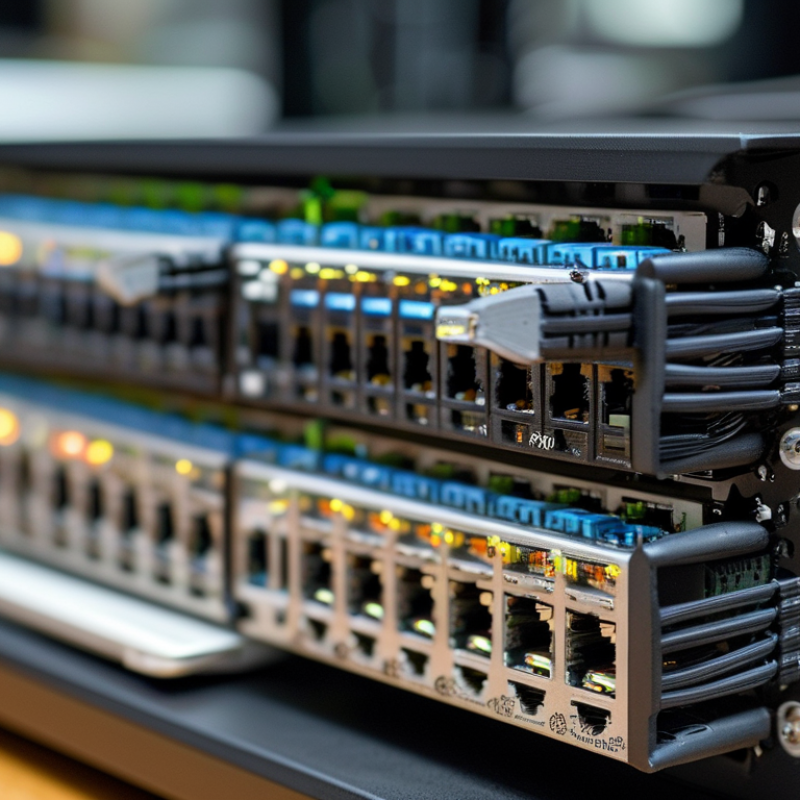
How to Choose the Best Ethernet Switch for Your Network Needs?

Understanding Your Network Requirements

Understanding your network requirements is crucial when choosing an Ethernet switch. Begin by assessing the number of devices in your network. A recent industry report noted that over 80% of small to medium enterprises face connectivity issues due to insufficient ports. Your switch should accommodate current devices and allow for future expansion.

Next, consider the speed standards. More organizations are transitioning to faster connections. According to a survey from a prominent IT organization, 40% of businesses plan to upgrade to 10 Gbps networks within the next two years. However, selecting a high-speed switch without understanding the actual usage can lead to wasteful spending. Reflect on your current and anticipated bandwidth needs to ensure efficiency.

Finally, pay attention to the features that may enhance your network's performance. Layer 2 vs. Layer 3 switches can offer different functionalities. Not all networks require advanced routing capabilities, which may not justify the higher costs. Addressing these dimensions can provide clarity and guide you toward a suitable switch for your specific requirements.

Types of Ethernet Switches Available

When selecting an Ethernet switch, understanding the different types available is crucial. Ethernet switches are essential for connecting multiple devices in a network. They come in various forms, each serving a unique purpose. There are unmanaged, managed, and smart switches.

Unmanaged switches are simple and cost-effective. They require no configuration and are ideal for small networks. Managed switches offer more control. They allow for the adjustment of settings, making them suitable for larger, more complex environments. Smart switches sit in between, providing some management features without the complexity of fully managed options. According to industry reports, managed switches can increase network efficiency by up to 25% in larger setups.

Tip: Identify your network size and needs before deciding on a switch type. For instance, a small office may benefit from unmanaged switches, while businesses needing scalability should consider managed options.

Additionally, pay attention to switch speeds and ports. Standard switches operate at 1 Gbps, but faster options are available. A crystal-clear understanding of bandwidth needs is vital. If too many devices are connected to a slow switch, network performance will decline. Many businesses underestimate this factor, leading to bottlenecks. As reported by a leading networking firm, nearly 30% of networks experience performance issues due to inadequate switching solutions.

How to Choose the Best Ethernet Switch for Your Network Needs? - Types of Ethernet Switches Available

Switch Type Ports Speed Management Use Case
Unmanaged Switch 4-48 10/100/1000 Mbps No Simple network setups
Managed Switch 8-48 10/100/1000 Mbps; 10 Gbps Yes Enterprise networks
Smart Switch 5-24 10/100/1000 Mbps Limited Small to medium networks
PoE Switch 8-48 10/100/1000 Mbps Yes IP cameras, VoIP phones
Layer 3 Switch 24-48 10/100/1000 Mbps; 10 Gbps Yes Routing capabilities

Key Features to Consider When Choosing

When selecting the best Ethernet switch for your network, consider several key features. First, look at the number of ports you need. A switch with more ports allows for future expansion. If you expect your network to grow, select a switch that accommodates this. Often, choices range from small 5-port models to larger 48-port units.

Next, examine the speed of the switch. Most modern switches support at least Gigabit speeds. However, for higher performance, a 10 Gigabit switch may be necessary. This is especially true for data-intensive applications. Think about your current usage and future demands to avoid potential bottlenecks.

Power over Ethernet (PoE) capability is another essential feature. It allows the switch to power devices like cameras or phones directly through the Ethernet cable. This can simplify your setup. Yet, it's vital to ensure that your devices are PoE compatible.

Finally, consider the switch's management capabilities. An unmanaged switch is simpler and cheaper. However, managed switches offer advanced features like traffic control and security options. This can help in optimizing your network’s performance. Balance your needs and budget carefully to find the right fit.

Budgeting for Your Ethernet Switch Purchase

When budgeting for an Ethernet switch, understanding your needs is crucial. According to a recent market analysis by Dell’Oro Group, the global Ethernet switch market is projected to grow by 3% annually. As such, investing wisely is vital for staying competitive.

Begin with your network’s size and complexity. For small setups, a managed switch with fewer ports may suffice. Larger networks might require advanced features, which could significantly raise costs.

Factor in the total cost of ownership (TCO). A cheaper switch may save money upfront, but potential performance issues can lead to hidden costs. In a study by IDC, 42% of IT managers reported spending more on maintenance for low-cost switches. Assess reliability and support options before deciding. Not all vendors provide robust post-purchase assistance, which is a critical element often overlooked. Remember, investing in quality can prevent headaches later and ensure smoother network operations.

Future-Proofing Your Network Setup

When considering your network's future, it's essential to invest wisely in Ethernet switches. Industry reports indicate that the demand for high-speed connectivity will grow by 30% through 2026. This trend suggests that selecting a switch that can adapt to evolving technology is crucial.

One key factor to consider is the switch’s capacity to support higher bandwidths. As applications and devices increasingly require faster data rates, choosing switches that offer 10G or 25G capabilities can mean the difference between obsolescence and longevity. Opting for switches with Power over Ethernet (PoE) support can also help accommodate future devices, such as security cameras and VoIP phones.

It’s worth noting that while many businesses initially select budget-friendly options, this can lead to limitations. Inadequate switch performance may require replacement sooner than planned. Therefore, evaluating long-term needs and potential growth can help avoid frequent upgrades. Properly forecasting your network’s requirements is essential. The investment in a versatile switch can ultimately bolster your network’s resilience against future demands.

Ethernet Switch Performance Comparison

This chart compares the throughput of various Ethernet switches, helping you to visualize their performance capabilities in terms of Gbps. Selecting the right switch for your needs can greatly impact your network efficiency.

Have Questions?

Talk to a product specialist today: 1-800-308-6788

Snake Tray Catalog

snake tray® CATALOG

the new catalog is here. AVAILABLE IN PRINT AND ONLINE.

DOWNLOAD A PDF REQUEST A PRINTED COPY
CALL US TODAY