How to Choose the Best Automotive Security Window Film

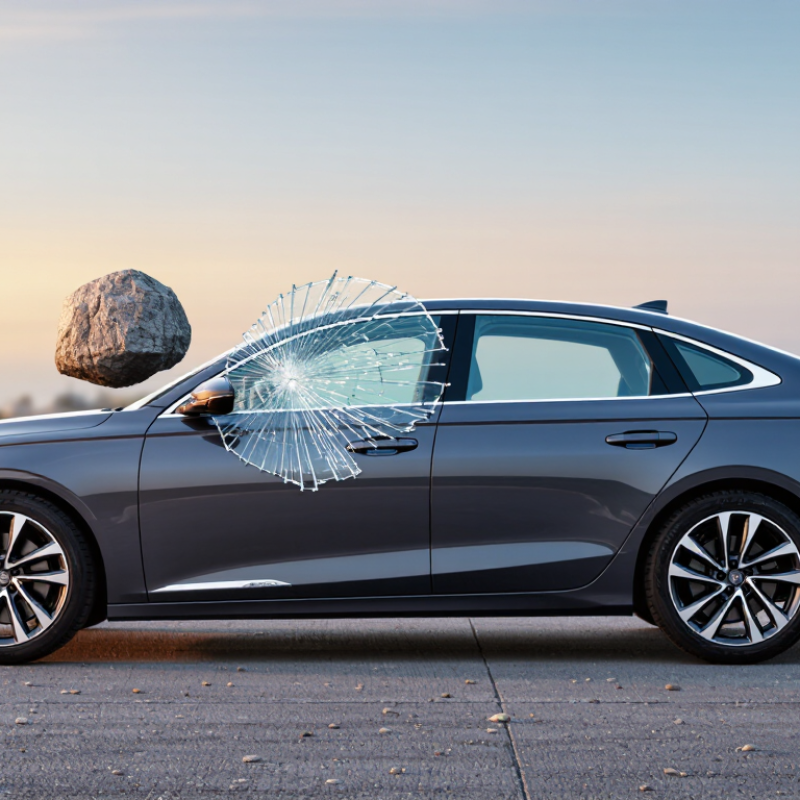
Choosing the right Automotive Security Window Film starts with a clear view of what you want it to do. A parked car may face a stray rock, attempted entry, or flying glass during a collision. Security film can help hold shattered glass together, but it does not make windows unbreakable or guarantee that a vehicle cannot be entered. That distinction matters.

Compare products by documented test results, film construction, optical clarity, and the installer’s experience. Ask what the stated thickness means, and whether the performance data applies to your vehicle’s glass. A thick film is not automatically the best choice. Hazy edges, distracting reflections, or poor adhesion can make daily driving less comfortable. Small details count.

A qualified installer should explain surface preparation, curing time, warranty limits, and any compatibility concerns with sensors or defrosters. Request written terms, not just a confident verbal promise. Check whether the warranty covers peeling, bubbling, or discoloration, and who handles a claim. If a seller promises complete protection, be cautious. Even careful buyers can overlook how the film performs after years of heat and cleaning. This guide looks at practical features and trade-offs, so you can choose a product that fits your vehicle, budget, and expectations—without confusing added resistance with invulnerability.
How to Choose the Best Automotive Security Window Film

What Automotive Security Window Film Is Designed to Do

Automotive security window film is designed to help hold broken glass together, not make a window unbreakable. When tempered side glass shatters, the film can keep many fragments attached to its inner surface. This may reduce flying shards and make a quick reach-through more difficult. The National Insurance Crime Bureau reported more than 1 million vehicle thefts in 2023. Film is one layer of deterrence, not a guarantee against theft or forced entry.

Performance depends on film construction, glass condition, installation, and how firmly the film is anchored near the frame. A thicker film alone does not tell the whole story. NHTSA’s Federal Motor Vehicle Safety Standard No. 205 covers vehicle glazing requirements; aftermarket film should not be mistaken for certified security glass. It can also affect window operation if installed poorly. Details matter.

Tips: Ask for test data on the complete film-and-glass system, not just the film. Check that the installer explains edge attachment and any limits. Keep expectations realistic. A small tear or loose edge can matter.
How to Choose the Best Automotive Security Window Film

What Automotive Security Window Film Is Designed to Do

Security window film is designed to help hold shattered glass together and can make entry through a window more difficult; it does not make glass unbreakable. The chart compares example nominal film thicknesses. Millimeter equivalents use 1 mil = 0.0254 mm; available products and thicknesses vary.

Compare Film Types, Thickness, and Impact Resistance

How to Choose the Best Automotive Security Window Film

Compare Film Types, Thickness, and Impact Resistance

Clear security film prioritizes glass retention without adding much shade; tinted film combines privacy with security, but can reduce visibility at night. Films are often described by thickness in mils, yet thickness alone does not prove impact resistance. A thicker layer may resist tearing longer, but installation quality, adhesive, and glass condition also matter. The National Insurance Crime Bureau reported 1,020,729 vehicle thefts in the United States in 2023; that figure signals risk, not proof that film prevents theft. Treat film as a delay, not a shield.

For a meaningful comparison, request test results for the exact film-and-glass system. ASTM F1233 provides methods for evaluating resistance to forced entry, while FMVSS 205 addresses glazing safety, not a film’s break-in rating. Ask whether testing measured impact, penetration, or glass retention; these are different outcomes. In practical terms, film may keep broken pieces together, but a sharp strike can still crack the window. That distinction is easy to overlook.

Tips: Compare documented test performance, not mil numbers alone. Check how the film looks over a side window in daylight and at dusk. Ask an installer about edge coverage, cure time, and glass compatibility. A small sample helps, though it cannot fully predict performance on a curved window.

How to Choose the Best Automotive Security Window Film: Compare Film Types, Thickness, and Impact Resistance

Film or Glazing Type Typical Thickness Impact and Breakage Behavior Best Suited For Key Considerations
Standard dyed or solar-control window film Often about 1–2 mil (25–51 μm); varies by construction Primarily designed for appearance, glare reduction, or solar control. It may help hold some small glass fragments, but it is not generally selected as a security film. Drivers seeking tint, glare control, or added privacy rather than increased resistance to forced entry. Darkness and solar performance do not indicate impact resistance. Check local tint and visible-light-transmission requirements.
Clear security film Commonly about 4 mil (102 μm) Can help bind broken glass fragments together and may make an opening take longer to create. It does not make glass unbreakable. Everyday fragment retention and a modest delay against casual smash-and-grab attempts. Results depend on glass type, installation quality, and whether the film is attached to the window frame or left as a free-floating layer.
Thicker clear security film Commonly about 7–8 mil (178–203 μm) Generally offers more film material to hold fractured glass than thinner films, but thickness alone does not establish a standardized impact rating. Drivers who prioritize added fragment retention and delay while keeping the glass relatively clear. May be harder to install cleanly on curved automotive glass. Confirm compatibility with the vehicle’s windows and any sensors or defroster elements.
Heavy-duty security film Often about 11–14 mil (279–356 μm), depending on product construction Designed to provide stronger glass-fragment retention than thinner films when properly installed. Repeated impacts can still breach the glass-and-film system. Applications where a greater potential delay and post-breakage fragment retention are priorities. Requires careful professional assessment. Ask whether the installation includes an edge-attachment system; film by itself may not keep the entire glass sheet in the window opening.
Factory laminated automotive glass Varies by vehicle and glass specification; not a film applied to existing glass A plastic interlayer between glass plies is designed to keep many fragments attached after breakage. Performance depends on the specific glazing and vehicle design. Vehicles equipped with laminated side or rear glazing, or owners considering a vehicle or approved glazing upgrade designed for that purpose. Check the vehicle documentation or consult a qualified glass professional to identify which windows are laminated. Do not assume all automotive windows use the same glass construction.

Important: Film thickness is not a universal measure of impact resistance, and there is no single comparable impact rating for all automotive films. Glass type, film construction, installation, and edge attachment all affect performance. Security film can delay access and help retain fragments, but it does not guarantee that a window cannot be broken. Verify product test documentation, vehicle compatibility, and local regulations before installation.

Assess Visibility, UV Protection, and Vehicle Compatibility

Choosing automotive security window film starts with what you need to see, not how dark the glass looks. Check the film’s visible-light transmission rating and compare it with your vehicle’s existing tint. In a shaded garage, heavy rain, or at dusk, reduced light can make mirrors, cyclists, and pedestrians harder to spot. View a sample from the driver’s seat, not just beside a shop window.

Night visibility matters.

It is easy to assume darker means safer, but that trade-off deserves a second look.

For UV protection, ask for test data showing how much ultraviolet radiation the film blocks. Broad claims alone do not explain performance across different wavelengths. Also check compatibility with your specific windows: curved glass, factory tint, rear defroster lines, and embedded antennas can affect film choice or installation. Some vehicles have sensors near the glass, so confirm their locations with a qualified installer before work begins.

Fit matters.

A film suited to a flat side window may not behave the same on a sharply curved rear window. Review the product specifications and your vehicle manual, and ask how the installer will protect defroster lines during removal or fitting.

Check Local Tint Laws and Installation Standards

Check local tint laws before selecting automotive security film. Visible light transmission limits vary by jurisdiction and may differ for front doors, rear windows, and windshields. In the United States, Federal Motor Vehicle Safety Standard No. 205 governs safety glazing materials, but it does not replace local tint rules. Ask your motor-vehicle agency whether a medical exemption, film label, or inspection certificate is required.

A film’s shade alone does not show how well it performs. Request its visible light transmission specification and ask the installer to measure the finished glass with a calibrated meter. The International Window Film Association’s consumer guidance says window films can block up to 99% of ultraviolet radiation; that figure does not prove a film will resist break-ins. Ask for product-specific test data, edge coverage details, and written installation terms. A neat edge is not proof of correct installation—I would check the paperwork too.

Tips: Confirm the rules for every window before booking. Keep the film specification and receipt in your vehicle. If the installer cannot explain the measured light transmission, pause and verify it yourself.

Choose a Film and Installer That Match Your Security Needs

How to Choose the Best Automotive Security Window Film

Choose a Film and Installer That Match Your Security Needs

Start with the risks you actually face. Do you park on a busy street, leave tools in the vehicle, or mainly want broken glass to stay together?

The National Insurance Crime Bureau reported 1,020,729 vehicle thefts in the United States in 2023. That figure signals a real concern, but it does not prove that window film prevents theft. Film can help hold shattered glass in place; it cannot make a window unbreakable.

Ask the installer how the film performs on automotive glass, and request relevant test documentation. Building-glass claims may not apply to a car window. Discuss film thickness, coverage, visibility, curing time, and compatibility with your vehicle’s glass and safety systems.

A careful installer should explain what the film can and cannot do. No vague promises. I would not choose by thickness alone; it sounds simple, but it leaves out installation quality. Check whether the installer follows automotive glazing requirements, including the safety framework in ANSI/SAE Z26.1.

Then compare written quotes and warranty terms. A neat edge matters, too: look closely around the window’s corners, where poor fitting is easy to spot.

Have Questions?

Talk to a product specialist today: 1-800-308-6788

Snake Tray Catalog

snake tray® CATALOG

the new catalog is here. AVAILABLE IN PRINT AND ONLINE.

DOWNLOAD A PDF REQUEST A PRINTED COPY
CALL US TODAY