The solar industry is rapidly evolving, making the selection of Solar Pv Modules increasingly crucial. In 2022, the global solar capacity reached over 1,000 GW, a testament to the growing demand for solar energy solutions. As businesses and homeowners look to reduce energy costs and benefit from sustainable practices, choosing the right solar module becomes essential.
Solar PV Modules vary significantly in efficiency, durability, and cost. According to the International Energy Agency (IEA), the efficiency of solar panels has improved by about 50% over the last decade. Yet, it’s not only about performance; reliability plays a key role. Poor choices can lead to failures, resulting in costly replacements and inefficient energy production. A deeper understanding of warranties and certifications is critical when making your selection.
In the face of these challenges, procurement decisions require careful consideration. Many buyers may rush through the module selection process, compromising long-term benefits for initial savings. This approach often leads to regrets as they navigate performance issues or unexpected costs. Prioritizing quality and reliability is essential in securing a sustainable solar investment.
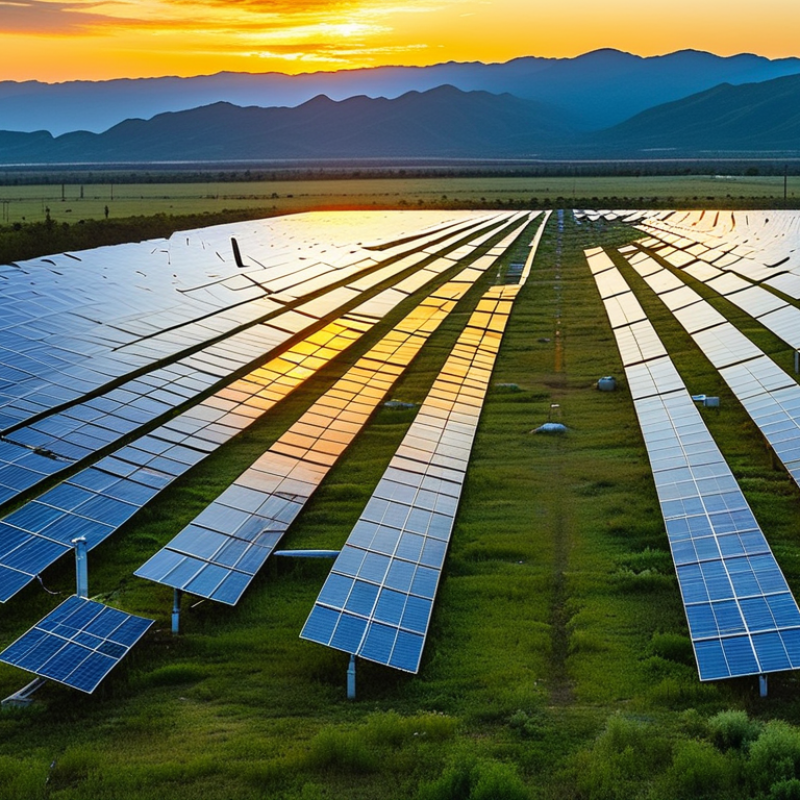
Choosing solar PV modules can be complex. Different factors influence the best selection for your needs. Efficiency is essential. Higher efficiency means more energy output from the same space. However, high-efficiency modules often come at a premium cost. It’s crucial to weigh output versus expense.
Durability is another key factor. Consider weather resistance and material quality. Modules must withstand harsh elements over time. Extended warranties can reflect a manufacturer’s confidence in their product. Look for certifications to ensure reliability.
Installation flexibility is also important. Some projects may require different mounting options. An adaptable module can fit various roofs and spaces. Pay attention to the size and weight of the modules as well. Sometimes, larger panels may not be suitable for all roofs. Always reflect on your specific circumstances. Choosing the right solar PV modules involves careful thought and consideration. Making an informed decision can lead to long-term benefits.

When selecting solar PV modules, it's essential to understand the different types available in the market. The most common options are monocrystalline, polycrystalline, and thin-film. Monocrystalline modules are known for their high efficiency and space-saving designs. According to the National Renewable Energy Laboratory, these modules can achieve over 20% efficiency. However, they tend to come at a higher price point, which can be a drawback for budget-sensitive projects.
Polycrystalline modules usually have lower efficiency, around 15-18%. They are made from multiple silicon crystals, offering a more cost-effective solution. However, their performance can decrease in hot weather, making them less reliable in certain climates.
Thin-film modules are lightweight and flexible, making them suitable for various installations. Despite their lower efficiency—typically 10-12%—they perform better in low-light conditions.
Each type has its strengths and weaknesses. The choice largely depends on specific project needs. Factors such as available space, budget constraints, and local climate should influence decisions. It's also important to consider long-term performance, as the initial cost doesn't always reflect future savings on energy bills. In the evolving solar market, understanding these differences is vital for making informed procurement choices.
When evaluating solar PV modules, efficiency and performance are crucial factors. The industry standard for efficiency rates is generally between 15% to 22%. Additionally, various reports indicate that higher efficiency modules can lead to better energy yields. For instance, a study by the National Renewable Energy Laboratory (NREL) shows that modules with 20% efficiency can generate up to 10% more energy than lower-efficiency options in the same conditions.
Performance metrics also include temperature coefficient and degradation rates. Temperature coefficients measure how efficiency decreases with rising temperatures. Ideally, a lower coefficient is better, as it signifies less energy loss. Research from the International Energy Agency (IEA) highlights that modules with a coefficient of -0.3%/°C outperform others in hot climates. Degradation rates matter as well; modules are expected to lose around 0.5% of their efficiency per year. Some high-performance models decline at a slower rate, potentially ensuring longevity.
Investing in solar PV modules requires careful consideration of these factors. Many buyers overlook the importance of manufacturer reliability and testing standards. An ideal choice should balance efficiency, price, and long-term performance. Reflecting on the rapidly changing technology landscape is essential. Not all modules that appear effective in tests will perform the same in real-world conditions. Continuous research is vital to stay informed about evolving standards and data.
When choosing solar PV modules, understanding warranty and service options is crucial. Warranties typically cover performance and workmanship. A standard performance warranty lasts 25 years, guaranteeing that panels will produce a certain output. This assurance provides peace of mind, but the fine print often reveals nuances that deserve your attention. Evaluating these conditions thoroughly is essential to avoid unpleasant surprises.
Service options should also be a priority. Many manufacturers offer additional support, like installation services or maintenance packages. Check the availability of local service centers. This access can impact the longevity and efficiency of your solar system. Some users find it less convenient, as part replacements can take time. This delay could affect energy production, which might not be highlighted during the purchasing process.
Consider the customer's experience too. Reviews and feedback can shed light on the true reliability of the warranty claims. People often report difficulties in claiming warranties or inadequate support after the sale. Engaging with existing users can offer deeper insights. It also helps you understand the real value of the service options.
When considering the procurement of solar PV modules, cost analysis is critical. Start by evaluating the total expenses involved, including the initial purchase costs, installation, and future maintenance. It's also essential to consider the long-term savings on energy bills. While cheaper modules may save money upfront, they could lead to higher maintenance costs and lower efficiency over time.
Budgeting for solar PV modules requires a detailed assessment of available funding and financing options. Consider any government incentives or rebates that can offset costs. Always account for fluctuating prices and demand in the solar market. This uncertainty could affect your budget. Use reliable sources to gather data on price trends and efficiency ratings. It's wise to have a contingency fund, as unexpected costs often arise during installation or operation.
Keep in mind the importance of quality over quantity. Sometimes, a low-price module may not deliver expected performance. Analyze warranty conditions and durability ratings carefully. This can help ensure you invest in modules that will withstand environmental stresses. An ideal procurement process is one that balances immediate costs with long-term benefits. Reflection on past projects might reveal valuable lessons that inform current decisions.
Fill out the form below and our team will get back to you ASAP.
Snake Tray® is Green and Proudly Powered by the Sun! Snake Tray is committed to designing and manufacturing products that have many green benefits. Our products are made of recycled goods, minimize material waste, are energy efficient, use less non-renewable resources and nest together read more…
Snake Tray® 291 Skip Lane, Bay Shore NY 11706 | PHONE: 631-674-0004 | FAX: 631-674-0010 | www.bakoselectric.com | LEGAL | MADE IN USA
© 2025 SnakeTray. All rights reserved
Fill out the form below to download your document.