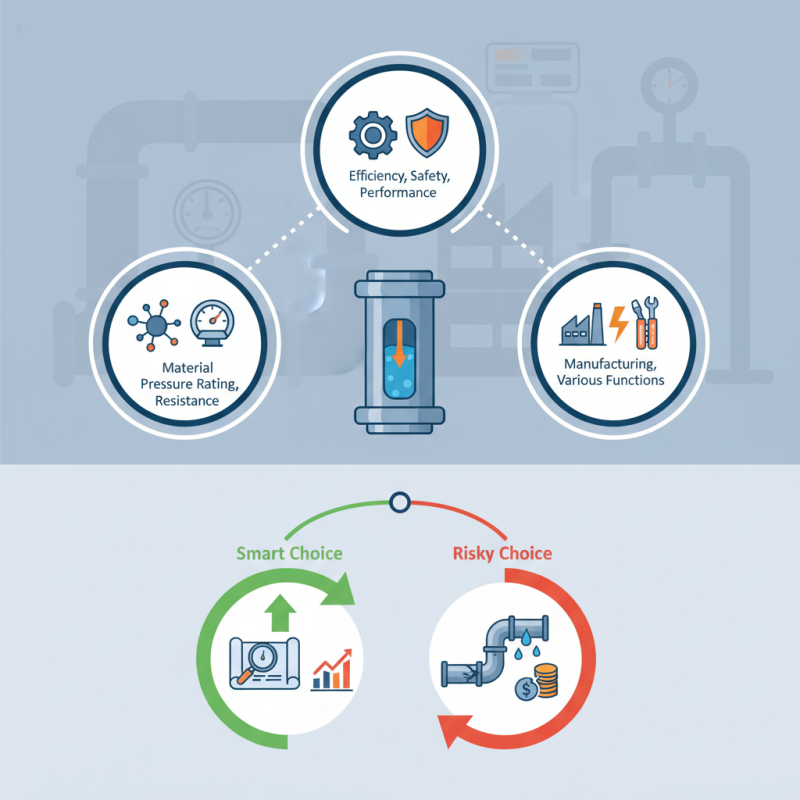
In industrial applications, the choice of a Pressure Tube is crucial. It affects efficiency, safety, and overall performance. Industries ranging from manufacturing to energy rely on these tubes for various functions. Selecting the right type can be challenging. Factors such as material, pressure rating, and temperature resistance must be considered.
A reliable Pressure Tube serves its purpose under demanding conditions. It must withstand internal and external pressures without failure. The right choice enhances system performance, reducing downtime. However, many companies overlook important specifics during selection. They may prioritize cost over quality, leading to potential risks.
Missteps in choosing a Pressure Tube can have serious consequences. For instance, the wrong material may corrode, while incorrect sizing can cause leaks. Making an informed decision requires expertise and understanding. Investing time in research fosters smarter choices. Ultimately, understanding the nuances of Pressure Tubes is vital for any industry.
Pressure tubes are vital components in various industrial applications. Their primary role is to transport fluids safely under high pressure. For instance, in the oil and gas sector, pressure tubes endure extreme conditions. According to industry reports, over 30% of pipeline failures result from inadequate tube selection. That highlights the importance of using the right materials and specifications.
Material choice is crucial. Stainless steel is commonly preferred due to its resistance to corrosion and high temperatures. A report by the International Journal of Pressure Vessel Science indicates that improper material can lead to catastrophic failures, causing significant financial losses. Additionally, different industries require specific tubes. Aerospace applications demand lightweight yet strong tubes, while chemical processing often needs tubes that can withstand harsh chemicals.
Monitoring and maintenance are often overlooked. Regular inspections can uncover potential issues before they escalate. In fact, failure to identify wear and tear can lead to unexpected downtimes. Industry standards suggest that preventive maintenance can reduce operational costs by up to 25%. This underscores the need for robust systems to ensure pressure tubes remain in optimal condition. Understanding these factors can greatly enhance operational efficiency and worker safety.

| Industry | Material | Pressure Rating (psi) | Temperature Range (°F) | Common Applications |
|---|---|---|---|---|
| Oil & Gas | Carbon Steel | 3000 | -40 to 300 | Pipeline, Refineries |
| Chemical Processing | Stainless Steel | 1500 | -20 to 800 | Pipelines, Reactors |
| Food & Beverage | Food-Grade Plastic | 500 | 32 to 200 | Processing, Packaging |
| Pharmaceutical | Glass | 100 | -20 to 250 | Storage, Transport |
| Water Treatment | PVC | 750 | 32 to 140 | Piping, Filtration |
Selecting the right pressure tube for your industry is crucial. Various factors impact your choice. Material composition is one of the primary considerations. For instance, stainless steel tubes offer excellent corrosion resistance. This is essential for industries like oil and gas, where harsh environments prevail.
Another factor to consider is the tube's pressure rating. Technical reports show that pressure tubes must withstand operational conditions safely. For example, ASME standards emphasize safety and reliability. The right tube can prevent failures and costly downtimes.
In addition, the tube's diameter and wall thickness play critical roles. A report from the American Society of Mechanical Engineers highlights that incorrect sizes may lead to inefficiencies. Industries often face challenges when selecting dimensions that fit their systems. This requires careful analysis and planning. It's important to weigh these factors thoughtfully to make informed decisions.
When selecting pressure tubes, understanding the types available is crucial. Different industries require specific characteristics in a pressure tube to function effectively. For instance, stainless steel tubes are commonly used in high-temperature applications. Their resistance to corrosion and heat makes them ideal for chemical processing. Industries value reliability, and these tubes often perform well under intense conditions.
On the other hand, polymer-based pressure tubes are suitable for lower-pressure environments. They are lightweight and flexible, making installation easier in tight spaces. However, while they are effective, there is a risk of wear over time, particularly when exposed to harsh chemicals. Users must consider replacement schedules carefully, as neglecting maintenance can lead to failures.
Choosing the right material also depends on the specific application. For hydraulic systems, reinforced steel or composite tubes provide the strength needed. However, in water transport systems, PVC tubes can work efficiently. Understanding the nuances of materials and their limitations is essential for making informed decisions. Balancing cost with performance is often a difficult task, but it remains vital for project success.
This bar chart illustrates the various types of pressure tubes used across different industries and their respective applications. Stainless steel is the most commonly used material, primarily due to its strength and resistance to corrosion.
When selecting pressure tubes, the material used is crucial. Common materials include stainless steel, aluminum, and even polymer-based options. Each comes with unique attributes tailored to specific industry demands. Stainless steel is known for its strength and resistance to corrosion. It is often used in the oil and gas sector, where durability is essential. Aluminum, while lighter, offers good tensile strength in automotive applications.
On the other hand, polymers are versatile and increasingly popular. They can be engineered for specific applications, such as in medical devices. They are often lighter and resistant to various chemicals. However, their use may not suit high-pressure environments. It’s notable that sometimes, the choice of material can lead to unforeseen challenges. For instance, a highly flexible polymer might not withstand extreme temperatures.
Understanding these nuances helps in making informed decisions. The implications of material selection can affect safety and efficiency. Sometimes, the best choice isn't the most obvious one. It's essential to weigh the pros and cons carefully. Proper evaluation ensures reliable performance in demanding situations. This adds an extra layer of reliability to pressure tube systems in various industries.
Choosing the right pressure tube is critical for safety and efficiency in various industries. Maintaining these tubes is vital to prevent accidents. Regular inspections can detect early signs of wear. Expert reports indicate that inadequate maintenance can lead to a 30% increase in failure rates of pressure systems.
In industries such as manufacturing and oil extraction, pressure tubes are under constant stress. The American Society of Mechanical Engineers (ASME) emphasizes that pressure tubes must be made from materials suitable for high pressure. Guidelines recommend using corrosion-resistant alloys to extend tube life. A routine cleaning regimen is essential to avoid harmful build-up that can weaken the structure.
Safety should always be a priority. Pressure tubes should be tested under controlled conditions to ensure reliability. Data from the National Institute for Occupational Safety and Health (NIOSH) shows that proper training in handling these tubes reduces workplace injuries by 25%. Organizations should foster a culture of safety, encouraging workers to report any irregularities immediately. Every failure in vigilance could have serious repercussions.
Fill out the form below and our team will get back to you ASAP.
Snake Tray® is Green and Proudly Powered by the Sun! Snake Tray is committed to designing and manufacturing products that have many green benefits. Our products are made of recycled goods, minimize material waste, are energy efficient, use less non-renewable resources and nest together read more…
Snake Tray® 291 Skip Lane, Bay Shore NY 11706 | PHONE: 631-674-0004 | FAX: 631-674-0010 | www.bakoselectric.com | LEGAL | MADE IN USA
© 2025 SnakeTray. All rights reserved
Fill out the form below to download your document.