Choosing the right Battery Formation Cabinet is essential for optimal battery performance and longevity. A suitable cabinet ensures that batteries receive the correct voltage and temperature during the formation process. It impacts the efficiency of the charging cycle, ultimately affecting the product's lifespan and reliability.
When selecting a Battery Formation Cabinet, consider the specific requirements of your battery chemistry. Different batteries, like lithium-ion or lead-acid, necessitate tailored settings. Moreover, not all cabinets have the same features or capabilities. Investing time to understand your needs helps avoid costly mistakes down the line.
Inadequate choices can lead to subpar battery formation, affecting product quality. Seek out cabinets with proven track records and expert recommendations. It’s worth reflecting on previous experiences, both good and bad, to ensure a more informed decision. A precise fit for your application assures you are investing wisely in your technology.
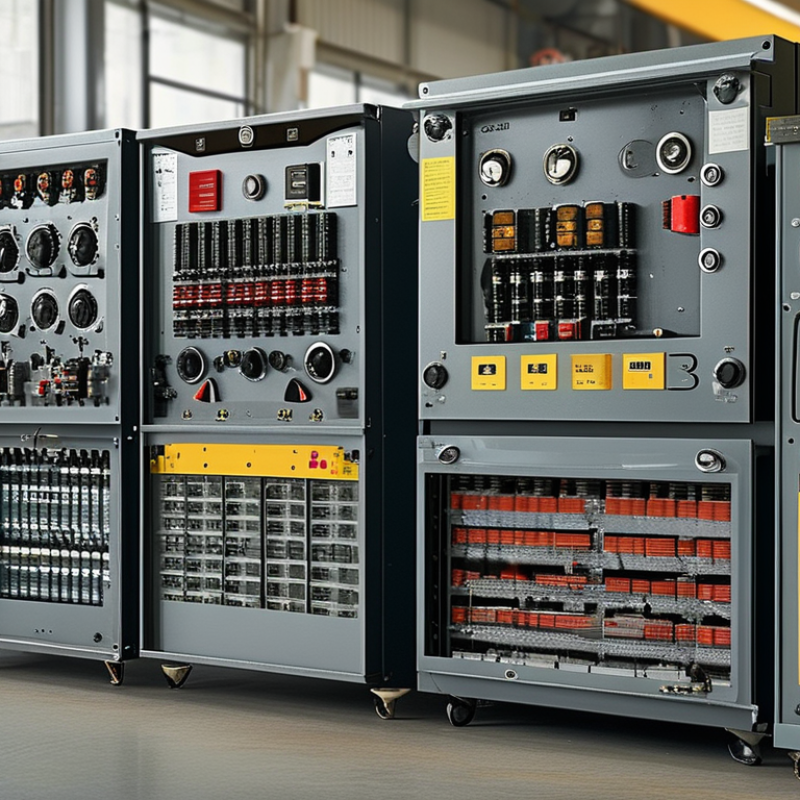
Battery formation cabinets play a crucial role in the manufacturing and testing of batteries. These specialized cabinets ensure the proper charging and discharging cycles necessary for battery performance. By simulating real-world conditions, they help in maximizing battery efficiency and lifespan.
Understanding the importance of these cabinets can drive better decisions in battery production. They maintain optimal temperature and humidity levels. This environment is vital for achieving consistent results. The functionality of formation cabinets can influence battery quality significantly. Improper settings can lead to subpar battery performance, reflecting a need for diligent attention to detail.
Selecting the right cabinet requires an understanding of your specific needs. Factors like battery type and production volume should guide your choice. It is easy to overlook these elements, yet they are foundational to battery efficacy. Not every cabinet fits every production scenario. Reflecting on past choices can reveal gaps in understanding. Adapting to these nuances can lead to improved outcomes.

Choosing the right battery formation cabinet involves several key considerations. Start by assessing the size and capacity requirements for your operations. The dimensions of the cabinet should align with your production scale. Look at the space you have available. A cabinet that is too large may waste energy. Conversely, one that is too small can hinder efficiency.
Temperature control is essential in battery formation. A reliable cabinet should maintain optimal temperature ranges. This ensures the longevity and performance of the batteries. You might also want to consider humidity levels. Some processes require specific moisture control to avoid damage.
Safety features are crucial. Evaluate the cabinet’s design for any potential hazards. Proper ventilation should be a priority to prevent overheating. Additionally, inquire about the ease of accessing components for maintenance. Complicated access can lead to downtime, which can impact productivity. Reflect on these details, as neglecting them may result in operational challenges.
This chart illustrates key considerations when selecting a battery formation cabinet, rated on a scale from 1 to 10. Factors such as size, temperature control, power capacity, safety features, and cost are essential in making an informed choice.
When selecting a battery formation cabinet, consider size and capacity requirements carefully. You need to evaluate how many batteries you plan to store and manage. Calculate the maximum size of the batteries, including their dimensions and any potential expansion in your operations. This helps ensure that your cabinet can accommodate future needs as well.
Another key factor is thermal management. Does the cabinet provide adequate heat dissipation? Batteries generate heat, especially during intensive charging. A poorly ventilated cabinet can lead to overheating and damage. Pay attention to the internal layout as well. A well-organized cabinet allows easy access and monitoring. Proper spacing can prevent physical damage and allow for better airflow.
It’s important to avoid assumptions about capacity based on current needs alone. Changes in technology or project scales may require more storage than anticipated. Reflect on your long-term goals. Are you focused on scaling up production? A cabinet that seems sufficient today may limit you tomorrow. Evaluate potential growth regularly to adapt your choices accordingly and ensure you invest wisely.
When selecting a battery formation cabinet, temperature control should be a prime consideration. Temperature stability is crucial for optimal battery performance and longevity. A cabinet that maintains consistent temperatures helps prevent thermal fluctuations, which can lead to uneven battery formation. Look for cabinets with precise temperature regulation capabilities and efficient cooling systems.
Tips: Evaluate the temperature range the cabinet offers. A wider range allows for versatility depending on battery types used. Also, consider built-in alarms that notify users of temperature deviations.
Monitoring is essential. Ensure that the cabinet has real-time data logging to track temperature changes. This data is useful for future analysis and refining processes. It’s also important to think about insulation quality. Poor insulation can negate temperature control efforts, causing inefficiencies and potential losses.
Tips: Regular maintenance checks can significantly influence performance. Consider how easy it is to access and maintain the cabinet's cooling components. Researching the cabinet's efficiency ratings helps ensure you’re making a well-informed decision.
When budgeting for a battery formation cabinet, start by determining your specific needs. Consider the volume of batteries you will be processing regularly. The capacity requirement greatly influences the initial investment. Smaller operations might opt for basic models, while larger facilities may need advanced systems with automated features. This will also affect the cost of electricity and maintenance over time.
Be aware of hidden costs that often come with these cabinets. Installation fees, additional equipment, and ongoing maintenance are crucial to factor into your budget. It's easy to overlook these, but they can significantly impact your total expenditure. Planning ahead can help you avoid unexpected financial strain.
Think about the future growth of your operation. Investing in a more robust cabinet may seem pricey now, but it can save money in the long run. Remember, not all features are necessary for every business. Reflect on what is essential for your production goals, and don’t hesitate to seek professional advice if you're uncertain. This can ultimately help you maintain a healthy budget while investing wisely.
| Feature | Entry-Level Model | Mid-Range Model | High-End Model |
|---|---|---|---|
| Price Range | $5,000 - $10,000 | $10,000 - $30,000 | $30,000+ |
| Capacity (Lithium Cells) | 50 Cells | 100 Cells | 200 Cells |
| Temperature Control | Basic | Enhanced | Precision Control |
| Power Supply Type | Single Phase | Three Phase | Programmable |
| Safety Features | Basic Fuses | Advanced Sensors | Comprehensive Systems |
| Warranty | 1 Year | 2 Years | 3 Years |
Fill out the form below and our team will get back to you ASAP.
Snake Tray® is Green and Proudly Powered by the Sun! Snake Tray is committed to designing and manufacturing products that have many green benefits. Our products are made of recycled goods, minimize material waste, are energy efficient, use less non-renewable resources and nest together read more…
Snake Tray® 291 Skip Lane, Bay Shore NY 11706 | PHONE: 631-674-0004 | FAX: 631-674-0010 | www.bakoselectric.com | LEGAL | MADE IN USA
© 2025 SnakeTray. All rights reserved
Fill out the form below to download your document.