How to Choose the Best Waterproof Micro Switch for Your Project?
In the world of electronics, selecting the right device is crucial. The "Waterproof Micro Switch" is a key component in various applications, from automotive to consumer electronics. According to a recent report by TechNavio, the global waterproof micro switch market is expected to grow by 4% annually. This growth highlights the rising demand for durable and reliable components that can withstand harsh environments.
John Smith, a leading expert in the field, emphasizes, "The right waterproof Micro Switch can make or break the success of your project." Choosing the best one involves understanding your project's specific needs. Factors such as operating conditions, mechanical endurance, and environmental exposure must be considered. However, despite advanced technology, many still overlook critical aspects when selecting a micro switch. Small mistakes can lead to significant failures later.
Moreover, the variety in design and functionality can be overwhelming. Each manufacturer offers different specifications and features, making the decision challenging. As one navigates this complex landscape, reflecting on these choices becomes essential. Ultimately, the goal is to identify a waterproof micro switch that not only fits immediately but also delivers long-term reliability in its intended environment.
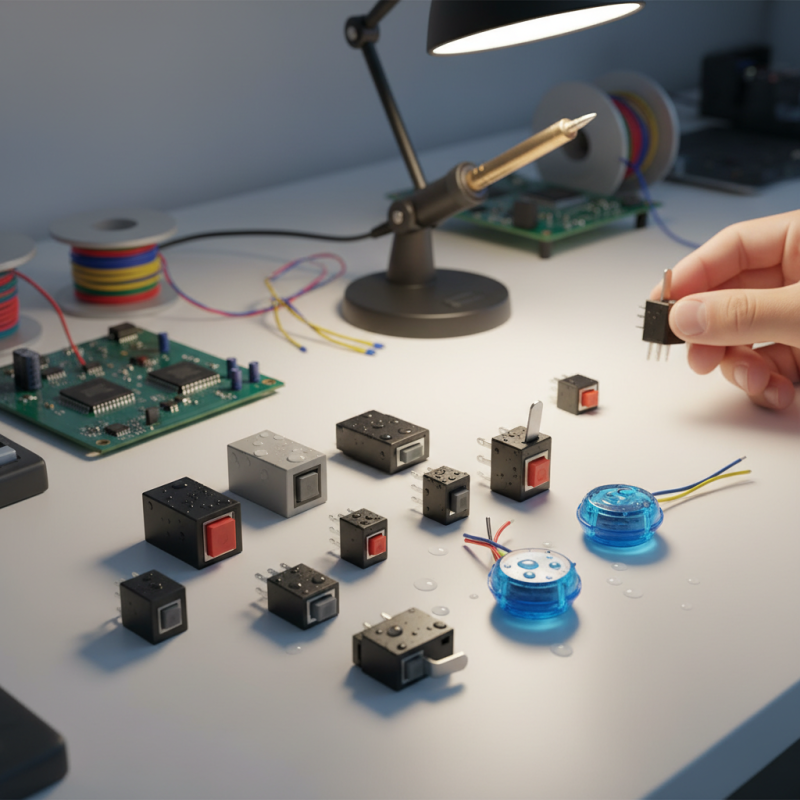
Understanding the Basics of Waterproof Micro Switches
Waterproof micro switches are essential in various industries. They safeguard sensitive circuits from water damage, ensuring functionality even in tough conditions. According to a recent industry report, nearly 40% of equipment failures can be attributed to water exposure. This statistic emphasizes the importance of selecting the right waterproof micro switch for your project.
When choosing a waterproof micro switch, consider its ingress protection (IP) rating. This rating determines how well the switch can withstand moisture and dust. An IP67 rating, for instance, guarantees that the switch can survive complete immersion in water. However, the actual use environment should dictate the rating you choose. For instance, a switch intended for outdoor use may require a higher rating.
Here are some tips:
1. Evaluate the environment where the switch will be installed. Is it exposed to heavy rain or occasional splashes?
2. Review the material used in the switch. Plastic may work well for some applications, but metal could provide better durability.
3. Look for switches with a proven track record in similar applications. This can save you from costly mistakes.
Incorporating waterproof micro switches might seem straightforward. However, misjudging your project requirements can lead to failures. Reflect on your needs carefully.
Identifying Your Project Requirements for a Micro Switch
When selecting a waterproof micro switch, understanding your project requirements is crucial. Start by considering the environmental conditions where the switch will be used. Data shows that around 50% of failures in electronic devices are due to environmental factors. Humidity, dust, and temperature extremes can affect performance. Choose a switch with appropriate IP ratings to ensure effective protection against water and dust.
Next, evaluate the operational parameters required for your project. This includes voltage, current ratings, and actuation force needed for your specific application. Reports indicate that using the wrong specifications can lead to early product failures, impacting durability. For example, if too much current passes through, you may face overheating issues. Always refer to appropriate engineering guidelines to ensure compatibility.
Lastly, consider the physical size and mounting options of the micro switch. Limited space can restrict your options. A poorly chosen switch may lead to installation challenges, requiring you to rethink your design. Too often, projects overlook flexibility in designs, resulting in costly adjustments down the line. Your choice of micro switch should seamlessly integrate into your design while meeting all functional needs.
Key Features to Consider in Waterproof Micro Switches
When selecting a waterproof micro switch, several key features should guide your decision. Firstly, consider the ingress protection (IP) rating. A higher IP rating indicates better protection against dust and water. For instance, an IP67 rating ensures protection against immersion in water up to 1 meter. According to industry reports, switches with a minimum of IP65 are often recommended for outdoor applications.
Another essential feature is the actuator type. A tactile actuator can provide feedback during operation, which is crucial in certain applications. Research shows that switches with a tactile response improve user experience and system reliability. It's also worth noting that the materials used in the switch housing can greatly affect longevity. Stainless steel or high-grade plastics resist corrosion better than standard materials.
Don’t overlook the electrical ratings as well. Make sure the switch can handle the voltage and current requirements of your project. There’s also a growing trend towards eco-friendly materials in switch design. This could influence choice, especially for projects with sustainability goals. Balancing these factors can be challenging, but it's vital to ensure the switch's performance aligns with project needs.
Waterproof Micro Switch Features Comparison
Comparing Various Types of Waterproof Micro Switches
When comparing various types of waterproof micro switches, it's essential to understand their key features. Different applications may require different specifications. For instance, some switches offer IP67 ratings while others reach IP68. The IP rating determines how well a switch can resist water and dust.
Consider the operating temperature as well. Some micro switches work well in extreme conditions. Others may fail under high or low temperatures. Understanding these conditions can prevent future project headaches.
**Tips:** Always review the switch’s material. Some materials resist corrosion better than others. This can impact durability. Also, think about the switch's actuator type. Different actuators provide distinct tactile feedback. This affects user experience directly.
In your project, assess the physical space. Not all micro switches fit seamlessly. Oversized switches might not work in tight areas. It’s pivotal to measure before choosing. Small details can become significant hurdles later. Make sure to evaluate each component carefully.
Installation and Maintenance Tips for Long-Lasting Performance
When selecting a waterproof micro switch, installation and maintenance play vital roles in ensuring long-lasting performance. Many industry reports indicate that improper installation can lead to significant failures. Effective sealing against moisture and contaminants is essential. For optimal performance, consider using gaskets that are rated for the specific environmental conditions your project will face.
Tips for safeguarding your micro switch include keeping it clean and dry during installation. Use a soft cloth to remove dust or debris that may interfere with the sealing process. Ensuring proper alignment can help prevent stress on the switch components. Regular checks for signs of wear or corrosion can save time and money in the long run.
Maintenance should focus on environmental factors. Humidity and temperature variations can impact micro switch functionality. Data suggests that operating within specified ranges extends product life. Avoid exposing switches to direct water flow; instead, position them in a protective housing. If you notice any erratic behavior, it may be a sign of moisture intrusion or mechanical wear. Addressing these issues promptly can enhance reliability and performance.
How to Choose the Best Waterproof Micro Switch for Your Project?
| Feature | Description | Importance |
| Waterproof Rating | Look for ratings like IP67 or IP68, indicating complete protection against dust and water penetration. | High |
| Operating Temperature | Consider the temperature range the switch can operate in without failing. | Medium |
| Electrical Ratings | Check the voltage and current ratings to ensure they meet project requirements. | High |
| Mechanical Life | The number of cycles the switch can endure before failure; higher is better. | Medium |
| Terminal Type | Different terminal types like solder, screw, or quick connect affect installation. | Low |
| Size and Form Factor | Ensure the switch fits the physical space available in your project. | Medium |
| Actuation Force | The amount of force required to activate the switch should match your design needs. | Medium |