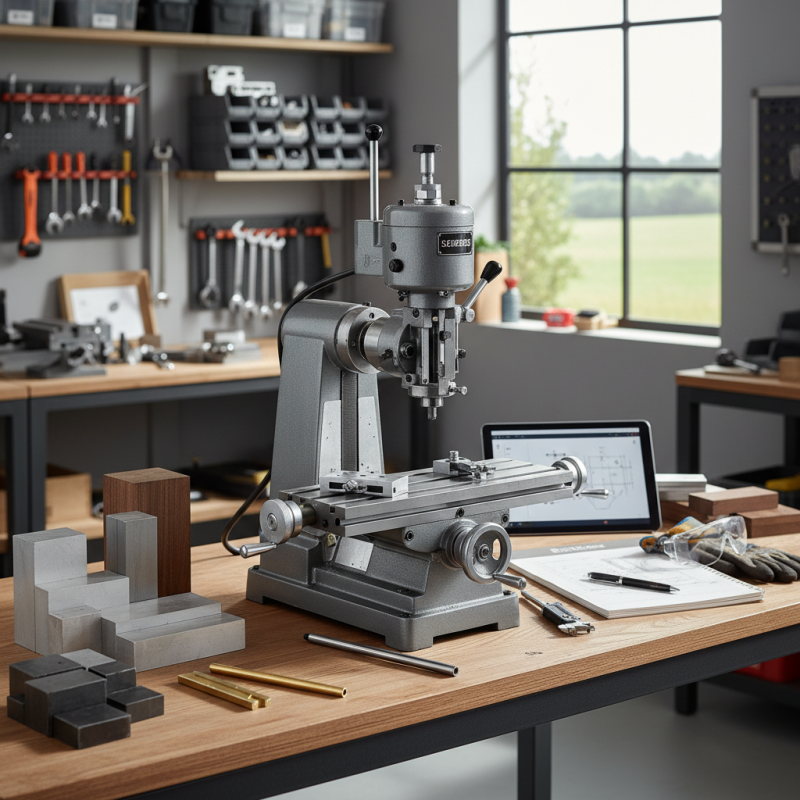
How to Choose a Bench Top Milling Machine for Your Workshop?
Choosing the right Bench Top Milling Machine is crucial for any workshop enthusiast. A suitable milling machine can enhance your projects significantly. However, navigating the options can be overwhelming.
When looking for a Bench Top Milling Machine, consider your specific needs. Think about the materials you will work with. Do you need precision for intricate designs? Or will you handle larger pieces? These questions guide your choice.
Don’t overlook the weight and size of the machine. A heavier unit often means stability, but it might require more space. Reflect on your workshop layout before deciding. Lastly, read user reviews. They provide real-world insights that can highlight potential shortcomings of the machines. Understanding these details can prevent buyer's remorse.
Understanding the Basics of Bench Top Milling Machines
When selecting a bench top milling machine, understanding the basics is crucial. These machines are versatile tools suitable for small workshops. They offer precision and efficiency in various milling tasks. According to recent industry reports, the global market for milling machines is projected to grow significantly, reflecting increased demand among hobbyists and professionals alike.
Tips: Look for machines with variable speed settings. This feature enhances control for different materials. Always consider the weight and stability of the machine. A heavier model typically provides better performance during milling.
The essential components of a bench top milling machine include the spindle, table, and feed system. Pay attention to the motor power, which affects cutting capabilities. Machines with at least 1 HP are often sufficient for most tasks. However, some users encounter issues with insufficient torque, leading to poor performance in harder materials.
Tips: Assess the available space in your workshop. Ensure the machine fits comfortably while allowing for operation and maintenance. Consider investing in additional tooling to expand the machine's potential. It’s easy to underestimate the importance of support equipment.
Key Factors to Consider When Choosing a Milling Machine
When choosing a bench top milling machine, several key factors must be considered. The size of the machine plays a crucial role. Compact models are great for small workshops. However, they often limit the scale of projects you can undertake. Consider the workspace available in your workshop. You may need more than just table length. Always check machine weight; heavier machines often provide more stability.
Power and speed are essential aspects when making your choice. A milling machine's horsepower affects how smoothly it operates. Data from industry reports suggests that machines with a higher RPM can enhance precision. But be cautious; high-speed machines may not suit every material. Some users reported overheating issues.
Tips: Look for machines with adjustable speeds. This feature can provide flexibility depending on the material you are using. Pay attention to the controls. Intuitive interfaces reduce learning curves. Also, consider potential upgrades. Some machines may have options for improved tooling capability later. Make sure your choice allows for future adjustments.
Comparing Different Types of Bench Top Milling Machines
When selecting a bench top milling machine, it's essential to compare the different types available. There are vertical and horizontal milling machines. Vertical machines are excellent for precision work. They allow easy visibility of the workpiece. This type is widely used in workshops and can handle various materials.
Horizontal machines offer unique advantages. They are typically sturdier, making them suitable for heavier tasks. Visibility isn’t as good with horizontal setups, so some may struggle to ensure accuracy. However, they allow for deeper cuts, which is a significant advantage for certain projects.
Consider the size and weight of the machine, too. If space is tight, a compact model may work better. It's also essential to think about future needs. Will you expand your projects? Choosing a machine that can grow with your skills is wise. In the end, evaluating the features that align with your specific requirements is crucial. Take your time. Reflect on what you truly need for your workshop.
How to Choose a Bench Top Milling Machine for Your Workshop? - Comparing Different Types of Bench Top Milling Machines
| Machine Type | Spindle Speed (RPM) | Max Table Load (lbs) | Weight (lbs) | Price Range ($) |
| Mini Mill | 100 - 3000 | 100 | 50 | 200 - 600 |
| Vertical Milling Machine | 100 - 4000 | 300 | 100 | 500 - 1200 |
| CNC Milling Machine | 150 - 6000 | 500 | 150 | 1000 - 5000 |
| Benchtop Turret Mill | 100 - 3000 | 400 | 200 | 800 - 1500 |
| Horizontal Milling Machine | 100 - 3000 | 600 | 300 | 1200 - 2500 |
Essential Features for Your Workshop Needs
Choosing the right bench top milling machine is crucial for your workshop. Essential features can make all the difference in productivity and efficiency. Look for high precision, which is often defined as a machine showing tolerances of ±0.001 inches. According to a 2021 industry report, over 70% of professionals prioritize accuracy when selecting machinery.
Consider the power capacity. Machines should have at least 1 HP to handle diverse tasks efficiently. Many users find that insufficient power limits their projects. Rigidity is another critical feature. A sturdy machine minimizes vibrations, enhancing finished quality. Reports indicate that machines with heavier frames reduce imperfections by approximately 30%.
Don't overlook the size. A compact design saves space but may limit functionality. Users often wish they had chosen a bigger model after encountering project demands. Lastly, ease of use cannot be ignored. User-friendly controls can significantly decrease setup time and errors. Remember, investing in well-rounded features is essential for long-term satisfaction. Many users have faced regrets over overlooking these key aspects.
Budgeting for Your Bench Top Milling Machine Purchase
Budgeting for a bench top milling machine is a crucial step in the buying process. It's vital to understand the market. Recent data indicates that the average price for these machines ranges from $500 to $3,000. Factors like size, features, and brand can affect costs significantly. A basic model may seem appealing, but it often lacks precision. Detailed features can lead to a better investment.
Explore additional costs beyond the machine itself. Consider tooling, maintenance, and workspace needs. A report from a leading manufacturing association highlights that initial purchase costs only represent about 60% of total expenses over five years. Unexpected repairs can inflate budgets. Allocating funds for accessories and improvements could save headaches later.
Planning should also include potential upgrades. A high-quality machine can last for years. Investing slightly more now may prevent future expenses. However, one must gauge usage levels. If you only plan to use the machine occasionally, a less expensive option might suffice. Finding balance is key in budgeting for a bench top milling machine.