Why Choose 304 Stainless Steel Flanges for Your Projects?
When it comes to selecting materials for various projects, the choice of flanges is critical. Among the many options, 304 Stainless Steel Flanges stand out for their unique blend of durability and versatility. These flanges are commonly used in both industrial and residential applications. Their resistance to corrosion makes them ideal for harsh environments, ensuring longevity and reliability.
Choosing 304 Stainless Steel Flanges can positively impact the performance of your systems. This type of stainless steel is known for its excellent strength and formability. Additionally, these flanges can withstand high temperatures, allowing them to function effectively in demanding settings. However, not all projects require this specific type. It’s essential to evaluate your project’s specific needs before making a decision.
Project managers and engineers alike appreciate the reliability of 304 Stainless Steel Flanges. They trust these materials to support critical infrastructure. While these flanges provide numerous benefits, one must also consider their cost-effectiveness. Understanding the intricacies and potential downsides is vital. Choosing wisely will lead to a successful project outcome in the long run.
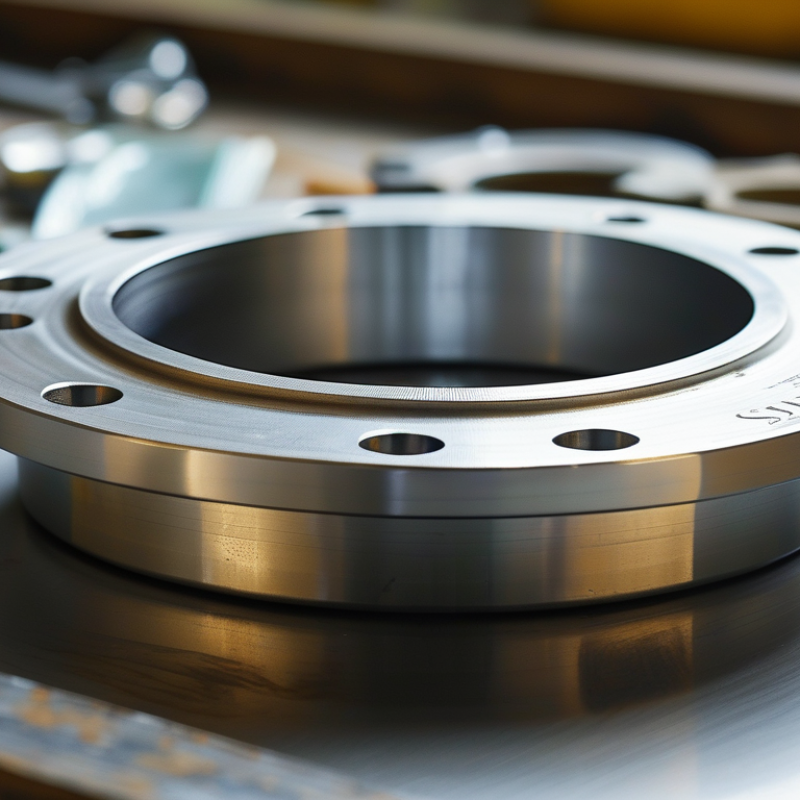
Understanding the Composition and Properties of 304 Stainless Steel
304 stainless steel is a popular choice in various industries due to its unique composition and properties. This alloy is primarily made up of iron, with about 18% chromium and 8% nickel. These elements enhance its corrosion resistance and durability. According to a 2022 report by the International Stainless Steel Forum, 304 stainless steel accounts for nearly 50% of all stainless steel production worldwide. This is because it performs well in several applications.
The high nickel content in 304 stainless steel provides excellent tensile strength and flexibility. It can withstand temperatures as high as 870°C in intermittent service and up to 925°C for continuous use. However, while its versatility is impressive, it can experience stress corrosion cracking in highly corrosive environments. This possibility requires careful consideration during material selection and project planning.
In addition, 304 stainless steel is often praised for its hygienic properties, making it ideal for food processing and pharmaceuticals. Its non-porous surface prevents bacteria accumulation, promoting safety. Yet, its susceptibility to certain chemicals, like chloride solutions, must not be overlooked. Thus, an in-depth understanding of 304 stainless steel's composition and limitations is essential for successful project execution.
Advantages of Using 304 Stainless Steel Flanges in Industrial Applications
304 stainless steel flanges are a popular choice in various industrial applications. Their unique composition includes chromium and nickel, which enhance corrosion resistance. This makes them suitable for environments prone to moisture and chemicals. Many industries, from food processing to chemical manufacturing, rely on these flanges for durability and safety.
The strength of 304 stainless steel also stands out. It can withstand high temperatures and heavy loads while maintaining structural integrity. This characteristic is especially crucial in demanding situations where failure is not an option. However, the cost can be a consideration. While they may seem more expensive upfront, the long-term benefits often outweigh the initial investment.
Another advantage is their ease of fabrication. 304 flanges can be welded and shaped with ease, allowing for customized solutions. This versatility is essential for specific project requirements. Despite these benefits, not all applications may benefit from 304 stainless steel. It’s important to evaluate the specific needs of each project to avoid unnecessary costs or material mismatch.
Comparative Analysis: 304 vs Other Stainless Steel Grades for Flanges
When selecting stainless steel flanges, 304 grade stands out due to its balance of properties. It offers excellent corrosion resistance and strength, making it a reliable choice for many projects. In contrast, other grades like 316 are more resistant to chlorides but are generally more expensive. For situations exposed to saltwater, 316 might be a better option, yet 304 is often sufficient for less harsh environments.
The mechanical properties of 304 stainless steel also showcase its versatility. It withstands high temperatures and provides good weldability. However, some projects may require specialized grades like Duplex or 2205 for increased strength and resistance to pitting. Each grade has its unique benefits and challenges. While 304 is widely used, engineers must evaluate specific project needs, including environmental factors.
Choosing the right flange material isn't straightforward. Cost, availability, and project requirements must be considered. A common pitfall is overlooking long-term performance for initial cost savings. Reflecting on these elements can lead to better-informed and more successful project outcomes. Flanges are essential components; their selection requires careful thought and a balance of numerous factors.
Why Choose 304 Stainless Steel Flanges for Your Projects? - Comparative Analysis: 304 vs Other Stainless Steel Grades for Flanges
| Stainless Steel Grade | Corrosion Resistance | Temperature Resistance (°C) | Strength (MPa) | Uses |
| 304 | Good | 870 | 215 | Food processing, Chemicals |
| 316 | Excellent | 870 | 200 | Marine applications, Pharmaceuticals |
| 301 | Moderate | 870 | 220 | Automotive, Springs |
| 430 | Fair | 815 | 190 | Decorative, Kitchen utensils |
Common Applications of 304 Stainless Steel Flanges in Various Industries
304 stainless steel flanges are widely used across various industries due to their excellent corrosion resistance and durability. Common applications include chemical processing, food and beverage manufacturing, and marine environments. According to a report by the Stainless Steel World, 304 stainless steel accounts for approximately 60% of stainless steel production for industrial applications.
In the chemical processing industry, flanges made from 304 stainless steel are preferred for their ability to withstand harsh environments. These flanges can handle a range of chemicals without degrading. A study from the International Journal of Materials Science highlights that 304 stainless steel retains its integrity in temperatures up to 870°C, making it suitable for high-heat applications.
Here’s a tip: always consider the specific environment and chemicals in contact with the flanges. Not every application is suitable for 304 stainless steel. For example, in highly acidic environments, alternative materials may offer better performance.
In food and beverage manufacturing, 304 stainless steel flanges are common due to their hygienic properties. They are easy to clean and do not retain bacteria, which is crucial in these sectors. However, it’s important to regularly inspect and maintain these components. Corrosion can still occur, leading to potential leaks or failures. Understanding these factors can help in selecting the right materials for your project.
Maintenance and Longevity: Keeping 304 Stainless Steel Flanges Functional
304 stainless steel flanges are popular in many industries due to their durability and resistance to corrosion. Proper maintenance is crucial to ensure their longevity. Regular inspections can reveal early signs of wear and tear. Check for rust spots, pitting, or discoloration. These issues can often be fixed quickly if caught early.
Cleaning the flanges is essential for extending their lifespan. Mild detergents and soft brushes can be effective. Avoid abrasive materials that can scratch the surface. These scratches can become breeding grounds for corrosion. Additionally, factors like temperature and exposure to chemicals can impact performance. Be mindful of the environment where the flanges are installed.
Despite their resilience, 304 stainless steel flanges are not impervious to damage. Over time, even well-maintained flanges may face challenges. Gasket wear is common due to thermal cycling. If not addressed, this can lead to leaks. Regular maintenance and careful monitoring will help keep the flanges functional. Address potential problems before they escalate.