What is the Best Vehicle Power Inverter for Your Needs?

Choosing the right vehicle power inverter is crucial for your travel needs. According to John Anderson, a renowned expert in mobile power solutions, “A reliable inverter can make all the difference on the road.” This rings especially true for adventures that require charging multiple devices or running small appliances.

Vehicle power inverters come in numerous sizes and styles. Some are compact, easily fitting in a glove box, while others are larger, intended for heavy-duty use. Your choice should depend on your power requirements. For instance, a family road trip might need a higher wattage inverter for laptops and gaming devices.

However, many people overlook the details essential for selecting the best model. Not all inverters offer the same efficiency or safety features. It’s easy to get drawn in by flashy advertisements without considering real user reviews. Taking the time to research can save you from potential disappointments on your journey.
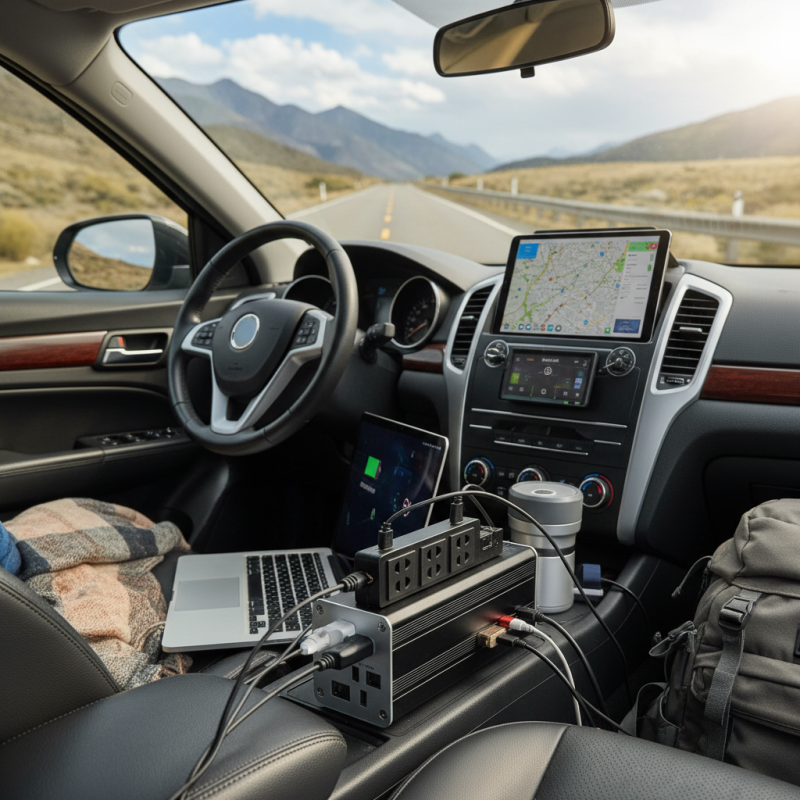
What is the Best Vehicle Power Inverter for Your Needs?

Understanding Vehicle Power Inverters: Definition and Purpose

Vehicle power inverters are essential tools for those who need to convert DC power from their vehicle’s battery into AC power. This allows you to run your devices while on the go. For example, you can charge a laptop or power a mini fridge while camping. Understanding what a power inverter does is crucial for making informed choices.

The purpose of a vehicle power inverter is simple yet effective. It transforms electrical energy, making it usable for home appliances. However, choosing the right inverter can be daunting. There are different wattage ratings, and not every inverter fits every device. Sometimes, people underestimate their power needs. This can lead to failure or device damage.

Additionally, safety should never be forgotten. An inverter that fails can cause electrical issues or even damage your vehicle. It's essential to read user reviews and understand your needs before purchasing. The right knowledge empowers you to make choices that will enhance your travel experience without complications.

Types of Vehicle Power Inverters: Modified Sine Wave vs. Pure Sine Wave

When choosing a vehicle power inverter, understanding wave types is crucial. Modified sine wave inverters are the more affordable option. They produce a waveform that is not perfectly smooth. This can lead to inefficiencies for certain devices. For devices like LED lights and battery chargers, this might work fine. However, sensitive electronics may struggle and even overheat.

On the other hand, pure sine wave inverters generate a smooth, continuous waveform. This mimics the power provided by utility companies. They are more compatible with a broader range of devices. According to industry reports, pure sine wave inverters operate at approximately 90% efficiency. This increased efficiency can save money in the long run. Users often notice reduced noise levels and improved performance.

However, pure sine wave inverters are typically more expensive. Not everyone needs the extra features they offer. Evaluating your devices is vital. Understanding what you plan to power can help guide the decision. Balancing cost with functionality is key. Not all users will require the advanced benefits of pure sine wave technology.

Key Features to Consider When Choosing a Power Inverter

When selecting a vehicle power inverter, several key features deserve your attention. The power rating is crucial. It should meet your power needs without exceeding your vehicle’s capacity. Typically, inverters come in modified sine wave or pure sine wave forms. The latter is cleaner and safer for sensitive electronics. Think about what devices you intend to use. A simple phone charger needs less power than a television or laptop.

Portability is another important factor. Some inverters are compact and lightweight, making them easy to store. Others are bulkier but offer more power. Consider your storage space and how often you will need to move the inverter. Safety features can’t be overlooked. Look for built-in protections against overheating and short-circuiting. These features may prevent potential failures and mishaps.

Evaluate the connectivity options as well. Multiple outlets and USB ports provide versatility. This makes it easier to charge various devices simultaneously. However, having many outlets may lead to overloading. It’s a balance between convenience and safety. Think about your priorities before making a choice.

Determining Your Power Needs: Calculating Wattage Requirements

Calculating your power needs is essential when selecting a vehicle power inverter. Begin by listing all devices you plan to use. Each device has a wattage requirement that varies widely. A laptop may need 60 watts, while a small refrigerator can require over 100 watts. Write down these figures to get a clearer picture.

Tips: Check the labels on your devices. They usually show wattage details. If not, look up the specifications online. Consider adding 20% to your total wattage for safety. Overloading your inverter can lead to failures.

Don't underestimate accessory devices. Chargers and small tools might seem trivial. Yet, they can add up. Take the time to calculate their combined wattage. Think about the peak wattage as well. Some devices draw more power at start-up, which can surprise you.

In the end, knowing your wattage needs is about more than just numbers. It’s about ensuring you’ll have power when you need it. Reflect on your choices. Sometimes less is more, especially in a vehicle setting.

Power Needs for Vehicle Inverters

Top Recommendations for Vehicle Power Inverters Based on Use Cases

When choosing a vehicle power inverter, consider your unique use case. For travelers, a compact model with 400-600 watts is often ideal. It provides enough power to charge laptops and small appliances. A report by the Consumer Electronics Association states that mobile device usage has increased by 30%. Many travelers rely on inverters to keep devices charged during long road trips.

For camping enthusiasts, a more robust inverter of 1000 watts or more might be necessary. This can run larger equipment, like refrigerators or power tools. According to the Outdoor Industry Association, 40% of campers prioritize power sources for their gear. However, this power can drain a vehicle's battery quickly if not monitored. It's essential to balance power needs with battery capacity.

For tailgating, portable inverters offer convenience and flexibility. A model delivering around 300 watts can power mini fridges and TVs. But, remember, not every inverter sustains high continuous loads. Users often find their devices shutting down unexpectedly. Understanding your wattage requirements can help avoid such frustrations.

Have Questions?

Talk to a product specialist today: 1-800-308-6788

Snake Tray Catalog

snake tray® CATALOG

the new catalog is here. AVAILABLE IN PRINT AND ONLINE.

DOWNLOAD A PDF REQUEST A PRINTED COPY
CALL US TODAY