In today's tech-driven world, the demand for Rechargeable Lithium Batteries has surged. These batteries are powerful, efficient, and versatile. They are ideal for a wide range of applications, from smartphones to electric vehicles. As consumers increasingly seek sustainable energy solutions, choosing the right battery becomes critical.
Rechargeable Lithium Batteries have revolutionized energy storage. Their lightweight design and long cycle life make them appealing for everyday users. However, not all lithium batteries are created equal. Some may fail to perform as promised or degrade faster than expected. This inconsistency can lead to frustration.
When selecting a rechargeable battery, consider factors like capacity, charge time, and brand reputation. There are many options available, and navigating through them can be overwhelming. Take time to research and compare. Reliability is key, as selecting the wrong battery can affect your devices and daily life. The right choice will ensure your devices remain powered and functional.
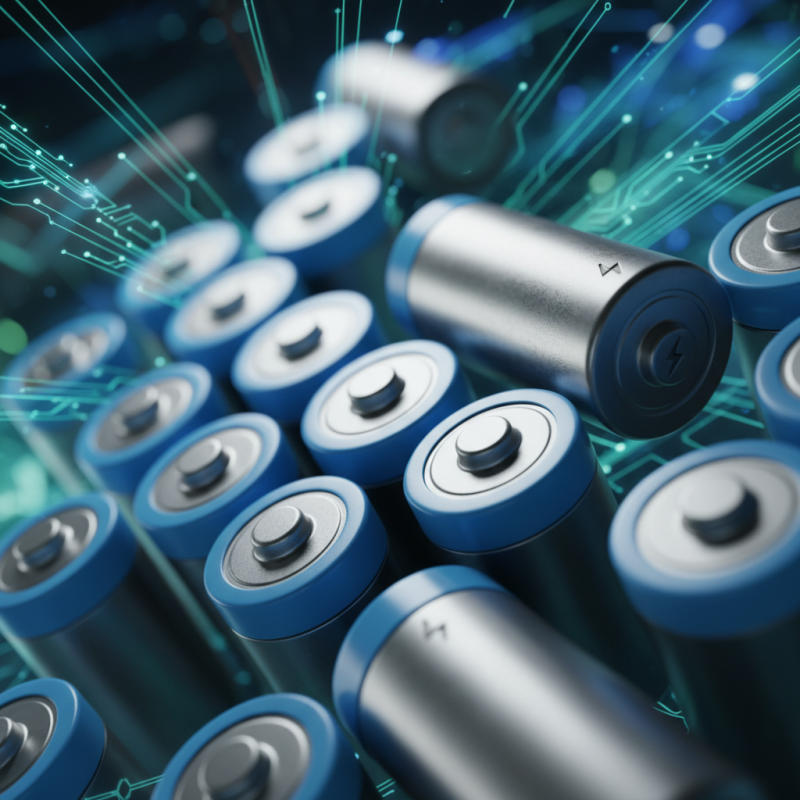
Rechargeable lithium batteries have gained popularity due to their efficiency and versatility. They are commonly used in various devices, from cameras to smartphones. Their long cycle life and low self-discharge rates make them appealing to consumers. When selecting lithium batteries, users should consider their specific power needs.
Tips: Always check the capacity rating before making a purchase. Higher capacity often means longer usage times. Additionally, consider the recharge time. Some batteries charge faster than others, which can be crucial in emergencies.
Another point to reflect on is battery care. Overcharging or exposing batteries to extreme temperatures can reduce their lifespan significantly. Regularly inspect your batteries for signs of wear. Keeping them in a dry, cool place can help maintain performance.
Tips: Use chargers that are compatible with your batteries. Mismatched chargers can cause damage. For optimal performance, follow the manufacturer's guidelines regarding charge cycles.

When selecting rechargeable lithium batteries, several key features should be carefully assessed. First, consider the capacity and voltage of the battery. Higher capacity translates to longer usage time, allowing devices to run efficiently without frequent recharges. Voltage must match the device requirements to ensure optimal performance.
Cycle life is another crucial factor. This term refers to how many times the battery can be charged and discharged before its capacity significantly declines. A battery with a good cycle life can provide reliable power over an extended period. It's wise to evaluate the specific needs of your devices and balance these with the battery's longevity.
Weight and size also matter. In portable devices, lightweight batteries enhance usability without adding bulk. Choose batteries that fit snugly in your devices to prevent movement and damage. After evaluating these aspects, reflect on how they impact your daily tasks. Consider not just your immediate needs but also future possibilities.
| Battery Type | Capacity (mAh) | Voltage (V) | Cycle Life | Charging Time (hrs) | Weight (g) | Special Features |
|---|---|---|---|---|---|---|
| 18650 | 3000 | 3.7 | 500 | 4 | 45 | High energy density |
| 21700 | 5000 | 3.7 | 600 | 5 | 70 | Excellent for high-drain devices |
| LiPo (Lithium Polymer) | 2200 | 3.7 | 200 | 1-2 | 50 | Flexible shapes and sizes |
| AA Lithium Battery | 2000 | 1.5 | 300 | 2 | 30 | Long shelf life |
| 18650 with built-in BMS | 2500 | 3.7 | 300 | 3.5 | 45 | Built-in protection circuitry |
When considering rechargeable lithium batteries, global buyers seek both performance and reliability. A recent report by Freedonia Group highlights that the global lithium-ion battery market is projected to reach over $100 billion by 2030. This growth is driven by advancements in technology and increasing demand for portable devices. Battery technology is evolving rapidly, and today’s consumers expect longer life cycles and faster charging times.
Among various models, energy density stands out as a key factor. Many new lithium batteries can store more energy in smaller spaces. For example, batteries with higher capacity ratings often come with improved voltage stability. This means they can power devices effectively without overheating. Industry analysts note that high-drain applications, like cameras and drones, demand batteries that deliver consistent performance.
Not all batteries perform equally. Some may degrade faster than expected. Factors such as charging cycles, temperature, and discharge rates can impact longevity. Review data from 2022 shows that certain lithium batteries lost 20-30% of their capacity after only 500 charge cycles. Users must weigh these details when making a purchase. Selecting the best rechargeables involves careful research and consideration of performance metrics.
When choosing rechargeable lithium batteries, performance and lifespan stand out as key factors. Evaluating these aspects helps consumers make informed decisions. Battery capacity is a significant indicator; higher capacities often translate to longer usage periods. For instance, batteries with a capacity of 3000mAh typically last longer than those with lower capacities. However, this is not always straightforward, as lower-capacity batteries sometimes have advantages in terms of recharge cycles.
Lifespan is another aspect that deserves attention. Many batteries now claim a lifespan of over 1000 recharge cycles. Yet, real-world usage reveals variability. Some users report significantly shorter life due to environmental factors like temperature. Extreme heat or cold can reduce overall battery efficiency. It's essential to consider how these variables impact daily use.
Performance can also differ based on technology. Newer lithium-ion designs promise higher efficiency and faster recharging. However, understanding the limitations is crucial. Even the best batteries may not perform optimally in all devices. Users must reflect on their specific needs and usage habits. Balancing performance, lifespan, and cost can be challenging, yet worthwhile.
The environmental impact of lithium batteries is hard to overlook. As energy storage demands rise, concerns grow about their ecological footprint. According to a 2021 report by the International Energy Agency (IEA), the global demand for lithium is projected to increase by nearly 40 times by 2040. This surge raises questions about sustainability and resource management.
Recycling lithium batteries remains a critical challenge. Currently, only about 5% of lithium-ion batteries are recycled effectively. A study by the National Renewable Energy Laboratory highlights that improper disposal can lead to soil contamination and water pollution. We must depend on innovative recycling technologies to improve recovery rates. While some companies are exploring closed-loop battery systems, the scalability remains uncertain.
The extraction of lithium also poses significant environmental risks. Mining can disrupt local ecosystems and affect water resources. Responsible sourcing practices are essential. Some estimated that lithium mining consumes two million liters of water for every ton extracted. This statistic invites reflection on how we balance energy needs with ecological health. Efforts to mitigate these impacts are still in their infancy, underscoring the urgency for more sustainable solutions.
Fill out the form below and our team will get back to you ASAP.
Snake Tray® is Green and Proudly Powered by the Sun! Snake Tray is committed to designing and manufacturing products that have many green benefits. Our products are made of recycled goods, minimize material waste, are energy efficient, use less non-renewable resources and nest together read more…
Snake Tray® 291 Skip Lane, Bay Shore NY 11706 | PHONE: 631-674-0004 | FAX: 631-674-0010 | www.bakoselectric.com | LEGAL | MADE IN USA
© 2025 SnakeTray. All rights reserved
Fill out the form below to download your document.