What Is the Best Marine Flex Hose for 2026?

Choosing the best Marine Flex Hose for 2026 is not simply a matter of finding the thickest or most expensive option. The right hose depends on its job, the fluid it carries, operating temperature, pressure, and the space available for routing. A hose in an engine compartment may face heat and vibration, while one serving a livewell has different demands. Details matter.

Look for clear manufacturer specifications, compatible fittings, a suitable bend radius, and documented resistance to the conditions aboard your boat. Check that the hose is intended for its specific application; “marine grade” alone does not explain what it can safely handle. Also inspect the proposed route for sharp edges, tight bends, and points where clamps or movement could cause wear. Small flaws count.

This guide compares the factors that make a hose dependable, including construction, flexibility, durability, and installation needs. It also explains what to verify before buying, so a low price does not hide a poor fit. Product descriptions can be incomplete, and no single hose suits every vessel. That is easy to overlook. Without independent testing of every model, recommendations should be treated as a practical shortlist, not a universal verdict. Use the maker’s instructions and your boat’s actual requirements to make the final choice. A careful match can prevent leaks, reduce avoidable replacement, and make routine inspections easier.
What Is the Best Marine Flex Hose for 2026?

What Marine Flex Hose Is and How It Works

What Is the Best Marine Flex Hose for 2026?
What Marine Flex Hose Is and How It Works

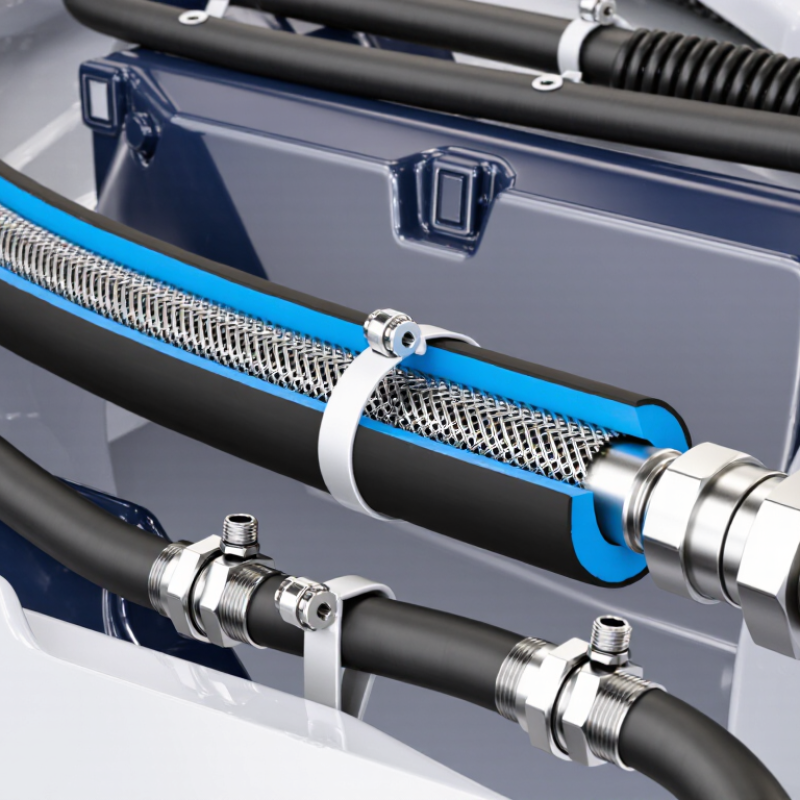
A marine flex hose is a flexible conduit for carrying fluids or air aboard a vessel. Its inner tube contacts the conveyed material, while textile or wire reinforcement helps it withstand pressure. An outer cover guards against abrasion, moisture, and weather, though protection varies by hose type. Not every hose suits every job. Fuel, coolant, exhaust, and potable-water systems can require different materials and ratings.

Flex lets a hose route around tight spaces and absorb some engine vibration. It does not make poor routing safe. Sharp bends can restrict flow, and rubbing against a bulkhead may wear through the cover. Keep the hose supported, respect its bend radius, and use compatible fittings and clamps. Check the manufacturer’s limits for pressure, temperature, and fluid compatibility before installation. Small details matter.

It is easy to assume a thicker hose is always better. That can be wrong. A hose that is too stiff may stress its connections, while an unsuitable liner can degrade over time. Inspect for cracks, soft spots, bulges, leaks, and loose clamps. Replace damaged sections, and recheck connections after use. A quick glance is not a full inspection.

Key Materials and Performance Standards for Marine Flex Hoses

For 2026, choose marine flex hose by service, not appearance. A fuel hose, wet-exhaust hose, and bilge-water hose face different heat, chemical, and pressure demands. ISO 7840 specifies fire-resistant fuel-hose testing; its flame test lasts 2.5 minutes. That figure is a test condition, not permission to fit any hose near an engine. Check the hose’s marked class, fuel compatibility, and installation instructions.

Material choice matters. Nitrile rubber commonly suits fuel and oil exposure, while EPDM is often used for water and weather resistance. Silicone handles heat well, but may not suit fuel contact. For wet exhaust, SAE J2006 sets performance requirements for marine exhaust hose. Look for clear temperature and pressure ratings, plus reinforcement suited to the hose’s bend and vibration. Small details matter: a tight bend behind a bulkhead can kink a hose and restrict flow.

In practice, inspect clamps, chafe points, and hose markings during routine maintenance. Replace cracked, softened, blistered, or fuel-smelling sections; don’t judge condition by the outer cover alone.

A little overlooked. Standards describe test performance, but real installation conditions still vary. I would verify the exact material against the fluid, operating temperature, and manufacturer’s published test data before fitting it.

How to Match Hose Types to Marine Applications

What Is the Best Marine Flex Hose for 2026?
How to Match Hose Types to Marine Applications

The best marine flex hose depends on what flows through it, at what temperature, and under what pressure. For fuel systems, choose hose rated for the specific fuel and marine use; ISO 7840 sets requirements for fire-resistant fuel hoses on small craft. Check the engine maker’s specifications, hose markings, and inside diameter before fitting. Fit matters. A hose that kinks at a tight engine-bay turn can restrict flow, even when its material is suitable. Don’t judge by appearance alone.

Wet exhaust needs hose designed for hot exhaust service, such as hose meeting SAE J2006. Verify temperature, pressure, bend radius, and connection size against the installation. For potable water, use hose intended for drinking-water contact; for bilge discharge, check pump pressure and whether suction-rated reinforcement is needed. Not just diameter. The U.S. Coast Guard’s 2023 Recreational Boating Statistics reported 3,844 accidents, 564 deaths, and 2,126 injuries. The report does not attribute these figures to hose failures, but sound installation and inspection remain practical safety measures. Inspect for soft spots, cracking, chafe, and loose clamps. I’ve seen neat-looking runs hide a sharp bend; routing deserves a second look.

Factors for Comparing Marine Flex Hoses in 2026

What Is the Best Marine Flex Hose for 2026?
Factors for Comparing Marine Flex Hoses in 2026

The best hose depends on its job: fuel, engine cooling, sanitation, or exhaust. Compare the hose’s stated fluid compatibility, temperature range, pressure or vacuum rating, and minimum bend radius. A hose that kinks behind a cramped engine can restrict flow, even if its pressure rating looks impressive. For fuel lines, check that the product is certified to the applicable marine standard, such as ISO 7840. For exhaust, verify it is designed for wet-exhaust service and the expected heat. Don’t judge by wall thickness alone.

Installation matters as much as the printed specification. Measure the route, including movement and engine vibration, before choosing a length. Use the clamp type and size specified for the hose, and avoid sharp bends near fittings. The U.S. Coast Guard’s 2023 Recreational Boating Statistics recorded 3,844 boating accidents and 564 deaths. Those figures do not identify hose failures as a cause, but they reinforce the value of sound maintenance. A careful inspection can still miss a hidden crack. That’s worth remembering.

Tips: Check for soft spots, bulges, chafing, fuel odor, or loose clamps during routine inspections. Record the installation date and service type. Replace hose that fails inspection, and follow the manufacturer’s service guidance rather than guessing at its lifespan.

What Is the Best Marine Flex Hose for 2026? — Factors for Comparing Marine Flex Hoses in 2026
Hose Type Best-Suited Application Common Construction Key Comparison Factors Important Limitations What to Verify Before Buying
Wet-exhaust hose Cooling-water-mixed exhaust runs between engine components and the exhaust outlet. Typically reinforced rubber construction designed for hot, wet exhaust service. Temperature rating, resistance to exhaust gases and oil, reinforcement, bend radius, and suitability for the installation. Not interchangeable with ordinary water, bilge, or general-purpose hose. Excessive heat, tight bends, or unsupported runs can shorten service life. Check the manufacturer’s wet-exhaust application rating, temperature limits, pressure or vacuum rating, and applicable standards such as SAE J2006 where specified.
Marine fuel hose Fuel supply, return, or tank-vent lines, as appropriate to the hose’s approved service. Fuel-resistant rubber or polymer construction, often with textile or wire reinforcement depending on the hose design. Fuel compatibility, permeation rating, fire-test classification where required, pressure rating, and compatibility with the fuel system. A hose approved for one fuel-system location or fuel type may not be suitable for another. Do not use general-purpose hose for fuel. Match the hose marking and applicable marine requirements to the exact use; check whether it is approved for gasoline or diesel and for feed, return, or vent service.
Sanitation hose Marine toilet discharge and wastewater-system connections. Often a flexible, reinforced hose with a barrier layer intended to limit odor permeation. Odor-barrier performance, compatibility with wastewater and cleaning products, bend radius, and resistance to collapse or kinking. Ordinary water hose may allow unpleasant odors to permeate and may not be designed for sanitation-system service. Confirm that the hose is specifically rated for marine sanitation, and check its inside diameter, minimum bend radius, and installation guidance.
Potable-water hose Fresh-water systems used for drinking, cooking, washing, or onboard taps. Flexible polymer or rubber hose made from materials intended for potable-water contact. Drinking-water suitability, taste and odor characteristics, temperature and pressure ratings, and resistance to kinking. A hose suitable for general water transfer is not automatically suitable for drinking water or hot-water service. Look for an explicit potable-water designation and any relevant drinking-water material compliance; confirm temperature and pressure limits for the system.
Bilge-discharge hose Moving bilge water through a pump discharge or overboard outlet. Commonly flexible, lightweight polymer hose, with smooth or corrugated construction depending on the intended installation. Required flow, inside diameter, kink resistance, pressure rating, routing, and resistance to the fluids it may encounter. Some flexible bilge hose is intended for low-pressure discharge only and is not suitable for fuel, exhaust, or high-pressure use. Check the pump’s outlet size and performance requirements, the hose’s pressure rating, and whether the selected hose is intended for bilge service.
General-purpose marine water hose Non-potable water transfer where the hose’s stated rating matches the task. Often reinforced rubber or polymer, with construction varying by pressure, temperature, and flexibility requirements. Working pressure, temperature range, UV and ozone resistance, bend radius, and compatibility with the water or fluid being carried. “Marine” or “water” in a product description does not establish suitability for fuel, exhaust, sanitation, or drinking-water use. Read the hose markings and technical data sheet; match the rating to the fluid, system pressure, operating temperature, and installation conditions.

How to choose: The best marine flex hose for 2026 is the hose specifically rated for its intended system—not a single hose type that suits every onboard use. Ratings and construction vary by product, so verify the hose markings, technical data, applicable marine requirements, and installation instructions before purchase.

Installation, Inspection, and Replacement Considerations

What Is the Best Marine Flex Hose for 2026?

Installation, Inspection, and Replacement Considerations

The best marine flex hose is the one rated for its exact job. Check the fluid, temperature range, pressure, and installation location before choosing. A hose suited to a cockpit drain may not be suitable for fuel or engine exhaust. Follow the hose maker’s specifications and applicable marine guidance.

During installation, avoid sharp bends, twisting, and contact with hot surfaces or moving parts. Leave enough room for engine movement, but do not let the hose sag against a bilge edge. Use compatible fittings and clamps, positioned securely behind the fitting’s retaining bead where applicable. Small details matter. A clean-looking installation can still hide a poor bend or a clamp that is difficult to inspect.

Inspect hoses regularly, especially near connections and in warm, damp spaces. Look for cracks, bulges, soft spots, chafing, corrosion, or persistent fuel and exhaust odors. Check for leaks while the relevant system is operating, following safe procedures. A visual check cannot reveal every internal defect, and that is easy to forget. Replace damaged hose promptly, and use service-life guidance from its manufacturer rather than relying on appearance or a fixed age. Keep a note of installation dates and findings; imperfect records are better than guessing later.

Have Questions?

Talk to a product specialist today: 1-800-308-6788

Snake Tray Catalog

snake tray® CATALOG

the new catalog is here. AVAILABLE IN PRINT AND ONLINE.

DOWNLOAD A PDF REQUEST A PRINTED COPY
CALL US TODAY