7 Best Lumebox Red Light Therapy Devices for 2026

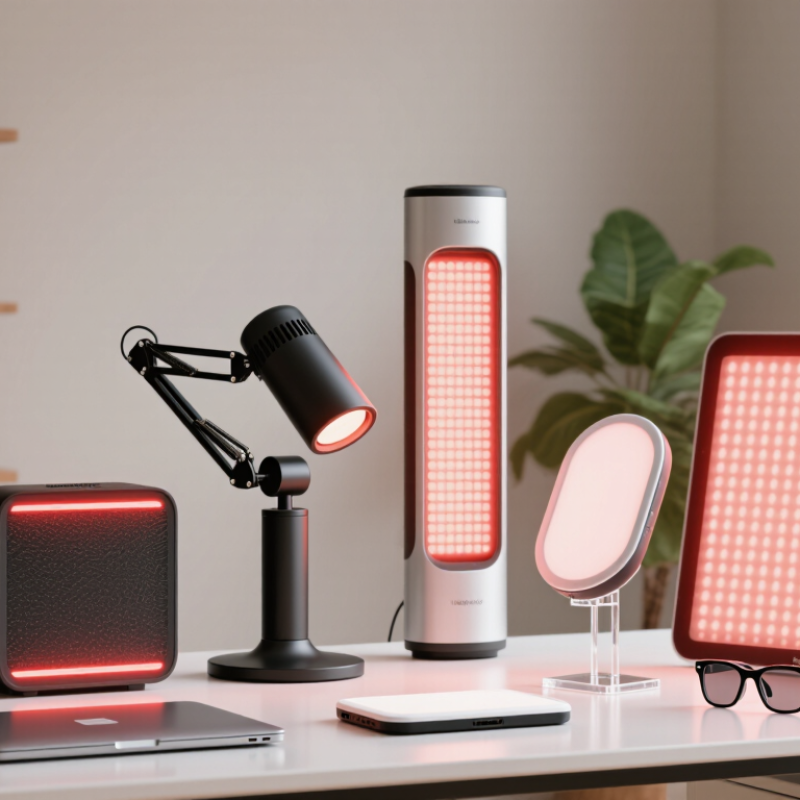
Choosing among the 7 Best Lumebox Red Light Therapy Devices for 2026 means looking beyond polished product photos. A compact panel can sit beside a desk; a larger unit may cover more skin but need careful placement. Wavelength, measured irradiance, treatment area, timer settings, and clear eye-safety guidance all deserve attention. Small details matter.

The Global Wellness Institute’s 2024 Global Wellness Economy Monitor valued the worldwide wellness economy at $6.3 trillion in 2023. That figure describes a broad market, not proven demand or clinical effectiveness for any Lumebox device. For scientific context, photomedicine researcher Michael R. Hamblin wrote in a 2017 review: “Photobiomodulation (PBM) … is the use of red or near-infrared light to stimulate, heal, regenerate, and protect tissue.” This definition describes the field, not a guarantee that a specific product will deliver a health benefit.

Results vary. Evidence also depends on the condition, device parameters, and treatment protocol, so consumer claims should be checked against published research. This guide compares Lumebox options by practical features, available specifications, and everyday usability. It also flags gaps where product details are limited; those gaps matter. Use the comparisons to ask better questions, not to treat a device as a substitute for professional medical advice.
7 Best Lumebox Red Light Therapy Devices for 2026

Overview of Lumebox Red Light Therapy Devices

Red light therapy devices vary in size, coverage, and how precisely users can position them. Compact handheld units can target a small area, while larger panels illuminate broader regions from a fixed distance. Wearable masks offer hands-free use, though fit and comfort can differ across faces. Practical details matter: check the listed wavelengths, treatment area, timer, and power information before comparing models. Numbers alone can be hard to interpret.

A clear setup makes sessions easier to repeat. Place a panel on a stable surface, follow its distance instructions, and use eye protection when the manual recommends it. Keep skin clean and dry, and avoid adding extra session time simply because a device feels comfortable. Evidence for light-based wellness applications varies, and these devices should not replace medical advice or prescribed care. Results may also depend on the intended use and consistent, appropriate operation. Small details count.

Device descriptions do not always explain how output was measured, which makes direct comparisons imperfect. That part deserves more scrutiny. Look for complete safety guidance, realistic usage instructions, and customer support that can answer technical questions. If a device becomes hot, irritates the skin, or causes discomfort, stop using it and seek qualified guidance.

How Red and Near-Infrared Light Therapy Works

Red light therapy uses low-level light, usually in visible red and near-infrared wavelengths. Red light can reach skin and shallow tissue, while near-infrared light travels farther, though depth varies with wavelength, tissue, and device. You may see a panel glow red; some near-infrared light is invisible. That can make it hard to judge exposure by appearance alone.

Researchers are studying how cells respond to these wavelengths. One proposed pathway involves light-sensitive molecules in mitochondria, which help cells produce energy. This may influence cellular signaling and tissue responses, but the full mechanism remains under study. The evidence also differs by purpose, dose, and study quality. It is not a magic switch.

Device output, treatment distance, session length, and consistent use all affect exposure. More time is not automatically better. Follow the device instructions, protect your eyes as directed, and stop if you notice discomfort or unusual skin changes. If you have a medical condition, take light-sensitive medication, or are treating an injury, ask a qualified health professional before use. I would be cautious about claims that one light setting works for everyone.

7 Best Red Light Therapy Devices for 2026 — How Red and Near-Infrared Light Therapy Works

A category-level comparison of common device formats. Wavelengths shown are commonly offered ranges, not specifications for every device; check the individual device’s published specifications.

Device type Common light bands Coverage Often suited to Practical consideration
1. Compact handheld unit Red: approximately 630–660 nm; some models also include near-infrared around 810–850 nm Small, targeted areas People who want a portable device for localized use Treats a limited area at a time; session distance and duration depend on the device instructions.
2. Small tabletop panel Commonly red around 630–660 nm, with some models adding near-infrared around 810–850 nm Face, neck, or another small body area Home users seeking hands-free treatment over a modest area Panel output and treatment area vary; follow the maker’s distance and exposure guidance.
3. Medium panel Often combines red light around 630–660 nm and near-infrared around 810–850 nm Torso or several smaller areas Users wanting broader coverage without a full-body setup A larger panel does not automatically mean a higher effective dose; irradiance and distance matter.
4. Large or full-body panel Commonly offers red wavelengths near 630–660 nm and near-infrared near 810–850 nm A larger portion of the body, depending on panel size and positioning People prioritizing wider-area sessions at home Requires more space and careful positioning; verify measured output and safety instructions.
5. Flexible wrap or belt Usually red around 630–660 nm; some designs also include near-infrared around 810–850 nm A specific body region that the wrap can fit Users who prefer a wearable format for localized use Fit, contact, and heat can affect comfort; do not use over skin areas the instructions exclude.
6. Facial LED mask Red light commonly falls around 630–660 nm; some masks add near-infrared Face, shaped by the mask’s LED layout People seeking a wearable facial-light format Check eye-safety guidance, fit, and whether the device is intended for the treatment goal.
7. Multi-wavelength panel May combine red around 630–660 nm with near-infrared bands such as 810–850 nm; exact bands vary Depends on panel dimensions and arrangement Users who want more than one stated wavelength band in a single device More wavelengths do not by themselves establish better results; compare verified output and intended use.

Red and near-infrared light are different parts of the light spectrum. Their effects depend on wavelength, dose, exposure time, and the target tissue; results are not guaranteed. Follow device safety directions, and consult a qualified health professional if you have a medical condition, take photosensitizing medication, or are unsure whether light therapy is appropriate for you.

Criteria for Comparing the Top Seven Devices in 2026

A useful comparison begins with verified specifications, not dramatic promises. Check each device’s stated wavelengths and whether testing was performed independently. Irradiance figures matter only when the measurement distance is clear. A reading taken close to a panel may not represent use across a larger treatment area. Numbers need context. Compare coverage, too: a compact unit may suit a desk, while a wider panel can illuminate more skin at once. Neither format is automatically better.

Daily usability deserves equal weight. Look for clear controls, adjustable timers, stable stands, and instructions that explain eye protection and recommended distance. Notice heat, glare, noise, and how easily the device fits into a real routine. Comfort matters too. Safety documentation and a responsive support channel add confidence, though they cannot prove that a device will deliver personal results. Compare warranty terms and replacement-part availability, not just purchase price. I would also mark missing or vague test details as uncertainty rather than filling gaps with assumptions. That makes the ranking less tidy, perhaps, but more useful to readers choosing among seven devices.

Key Features and Uses of Each Lumebox Device

A full-size panel suits broad coverage of the back or legs; check its treatment distance and output. A compact panel fits a desk or bedside table for smaller areas. A tabletop unit is easier to reposition, though its coverage may be limited. A handheld device can target a knee or shoulder, but treating large areas takes patience. A face mask offers hands-free sessions; confirm that it fits comfortably and protects the eyes as directed. A flexible wrap follows joints and contours. A belt is convenient for the lower back or abdomen, but fit and contact vary. Small differences matter.

Choose by treatment area, wavelength information, timer, and ease of cleaning—not appearance alone. The American Academy of Dermatology notes that red-light treatment results vary, and more research is needed for some uses. Treat it as an adjunct, not a cure. Follow the manual, and stop if irritation develops.

The Global Wellness Institute’s 2024 Global Wellness Economy Monitor estimated the sector at $6.3 trillion in 2023, with continued growth projected. That market figure reflects interest, not proof of clinical benefit.

Check the irradiance. A bright-looking device is not automatically a more effective one.

Safety, Care, and Choosing the Right Device

Safe use begins with the device instructions, not a promise on the box. Check the recommended distance, session length, and treatment area before switching it on. Keep your eyes protected as directed, and never stare into bright LEDs. Start with shorter sessions if the instructions allow. More time is not automatically better. If you have a condition affected by light, take photosensitizing medication, or feel unusual discomfort, ask a qualified healthcare professional before use. Red-light therapy is not a substitute for medical care, and results can vary. Keep that in mind.

Choose a device that fits the area you actually plan to treat. A small panel may suit a face or joint; a larger one can cover more skin, but needs more space. Look for clear wavelength, output, distance, and timer information. Vague specifications make comparison harder. That matters. Place the unit on a stable surface, keep it away from water, and follow its cleaning instructions. Unplug it before wiping the housing, and check the cord for damage. I would not choose by appearance alone; coverage and clear safety guidance are less exciting, but more useful. A simple usage log can help you notice irritation or whether the routine is practical.

Red and Near-Infrared Light: Photon Energy by Wavelength

Photon energy is calculated from wavelength using E = hc/λ. The wavelengths shown are examples commonly used in red and near-infrared light devices.

Wavelength alone does not determine a device’s safety or effectiveness. Also consider irradiance, exposure time, treatment distance, and eye-protection guidance; follow the device instructions.

Have Questions?

Talk to a product specialist today: 1-800-308-6788

Snake Tray Catalog

snake tray® CATALOG

the new catalog is here. AVAILABLE IN PRINT AND ONLINE.

DOWNLOAD A PDF REQUEST A PRINTED COPY
CALL US TODAY