What Is the Best Electric Crucible Melting Furnace in 2026?

Choosing the best Electric Crucible Melting Furnace in 2026 depends on what you melt, how much you process, and how often the furnace runs. A small workshop handling occasional aluminum pours has different needs from a production line melting copper alloys every shift. There is no single model that suits every job. Not quite.

A useful comparison starts with capacity, operating temperature, heating consistency, and power requirements. Check whether the stated capacity refers to the crucible’s maximum load or a practical working batch. That difference matters when metal needs room to melt and pour safely. Control accuracy matters, too. A clear digital display is helpful, but repeatable temperature readings and steady heating are more important than extra buttons.

Look closely at crucible compatibility, insulation, lid design, and how easily routine maintenance can be performed. Ask manufacturers for technical specifications, operating guidance, warranty terms, and details about available service. If possible, compare these claims with feedback from users working with similar metals and batch sizes. A polished specification sheet can still leave questions unanswered. For example, how quickly does the furnace recover temperature after a pour? How much heat escapes around the lid? Those details affect daily use.

This guide examines the features that distinguish practical options from merely impressive listings. It also explains trade-offs, since a larger furnace may offer flexibility but consume more power than a small shop needs. The best choice is the one that fits your materials, workflow, and maintenance capacity—not simply the one with the highest advertised temperature.
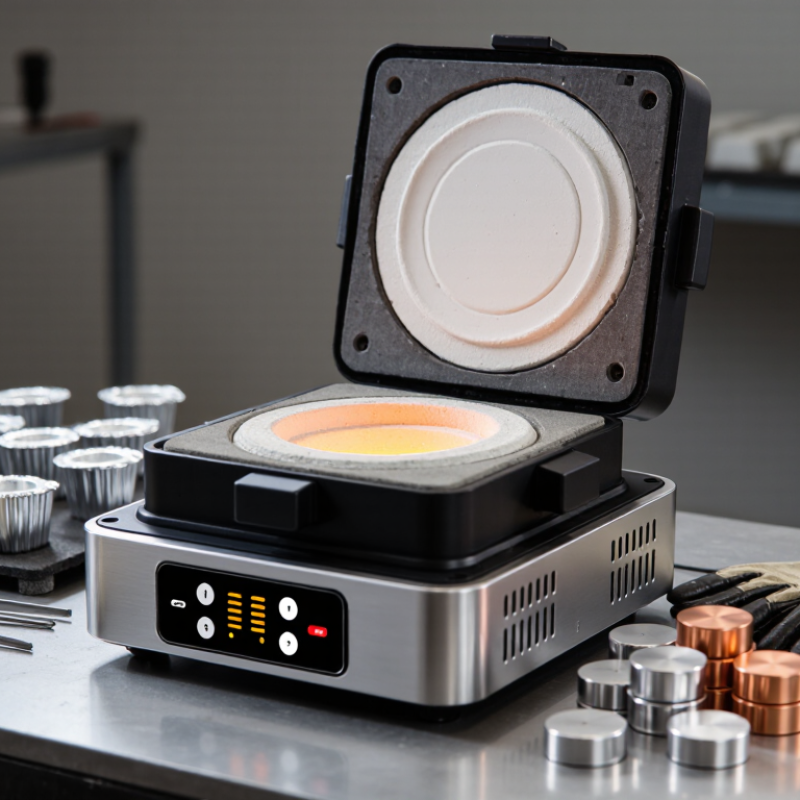
What Is the Best Electric Crucible Melting Furnace in 2026?

What an Electric Crucible Melting Furnace Is and How It Works

An electric crucible melting furnace heats metal inside a heat-resistant pot called a crucible. The crucible holds the charge as it changes from solid pieces into liquid metal. Unlike a fuel-fired furnace, the unit uses electrical energy, so it does not rely on a burner flame. Simple in principle.

The heating method depends on the furnace design. In a resistance-heated model, electric elements warm the chamber and transfer heat to the crucible. In an induction model, a changing magnetic field generates heat in electrically conductive metal. The operator selects a target temperature, and a controller adjusts power as sensors track conditions. Crucible material, metal type, and working temperature must be compatible; one pot cannot safely suit every melt.

During operation, an operator checks the charge, seats the crucible correctly, and watches the temperature rise. Once the metal is molten, it can be poured into a prepared mold using suitable handling tools. Small details matter. A neat temperature display can still hide uneven heating, worn elements, or a damaged crucible. That is easy to overlook. Regular inspection and careful temperature control help reduce avoidable failures, though they cannot replace the furnace manual or proper training.
What Is the Best Electric Crucible Melting Furnace in 2026?

An electric crucible furnace heats a heat-resistant container using electric resistance elements or induction. The metal melts inside the crucible; the required melting temperature is one factor to consider when choosing a furnace.

Approximate melting points of pure metals. Alloy melting ranges can differ. The best furnace depends on the material, required capacity, temperature, and operating needs.

Main Furnace Types and Their Heating Methods

For a 2026 electric crucible melting furnace, the heating method matters more than the label. Resistance furnaces use electric elements to heat the chamber and crucible, making them suitable for steady, controlled melting. Induction furnaces create heat within the conductive metal using an electromagnetic field. They can respond quickly, and the stirring effect helps distribute heat through the melt. Small details matter.

The U.S. Department of Energy’s process-heating sourcebook estimates that process heating accounts for about 36% of manufacturing energy use. That figure covers many processes, not crucible furnaces alone, but it shows why insulation, operating schedules, and heat losses deserve attention. When comparing models, check the metal and crucible compatibility, batch size, target temperature, and available electrical supply. Induction may suit frequent melts and rapid temperature changes; resistance can be a practical fit for slower, repeatable cycles. Neither is automatically more economical. Actual results depend on loading, maintenance, and how long the furnace sits hot. A missed point: published power ratings do not reveal the full cost of holding a small melt for hours. Request operating data for a comparable batch, then verify it against your own process.

What Is the Best Electric Crucible Melting Furnace in 2026? - Main Furnace Types and Their Heating Methods

Furnace type How it heats Typical applications Main advantages Key considerations Best suited to
Electric resistance crucible furnace Electric current heats resistance elements. Heat reaches the crucible and metal mainly by radiation and conduction. Small-batch melting and holding of metals such as aluminum, copper alloys, and precious metals, subject to furnace and crucible temperature limits. Straightforward operation; no induction coil or electromagnetic stirring is required; suitable for many small-batch workflows. Heating elements and crucibles have temperature and material limits. Heat transfer to the charge is indirect, and the furnace should be sized for the required batch and cycle. Workshops and laboratories that prioritize simple operation and flexible small-batch melting.
Coreless induction crucible furnace Alternating current in a coil creates a changing magnetic field, inducing electrical currents in the conductive metal charge and heating it directly. Melting conductive metals, including ferrous and non-ferrous alloys, in batch production or foundry work. Direct heating of the metal; electromagnetic forces can promote melt circulation and temperature uniformity. Requires compatible electrical power and a conductive charge. Coil, lining, cooling, and operating procedures require appropriate design and maintenance. Users seeking rapid, controllable melting of conductive metal and able to support the required electrical and cooling systems.
High-frequency induction crucible furnace An induction power supply operates the coil at a higher frequency than many standard melting systems; induced currents heat the conductive charge. Small charges, laboratory melting, and applications that benefit from a compact induction setup; suitability depends on metal, charge size, and equipment design. Can be designed for compact equipment and small batches, with responsive control when properly matched to the load. Performance depends on frequency, coil geometry, charge dimensions, and metal properties. The term “high-frequency” alone does not guarantee faster or more efficient melting. Small-scale work where the induction system can be matched closely to the charge and process.
Electric tilting crucible furnace “Tilting” describes the metal-pouring arrangement, not a separate heating method. The furnace may use resistance elements or induction heating. Foundry and production tasks requiring controlled pouring from a crucible furnace. Tilting can help transfer molten metal into molds or ladles without manually lifting the crucible. Check the heating technology separately, along with pouring capacity, tilt control, guarding, and the compatibility of the crucible and alloy. Processes where controlled pouring is a priority; select resistance or induction heating based on the metal and production requirements.

Selection guide: There is no single best electric crucible melting furnace for every application. Choose by metal and alloy, batch size, target temperature, melting frequency, pouring method, available electrical supply, crucible compatibility, and required process controls. Confirm operating limits and safety requirements with the equipment specifications.

Key Performance Criteria for Choosing a Furnace in 2026

What Is the Best Electric Crucible Melting Furnace in 2026?
Key Performance Criteria for Choosing a Furnace in 2026

The best electric crucible melting furnace is the one that fits your alloy, batch size, and daily production rhythm. Check rated capacity against your actual charge, not an idealized full crucible. The U.S. Department of Energy’s 2022 Industrial Decarbonization Roadmap identifies process heating as about 51% of manufacturing energy use. That figure covers manufacturing broadly, not crucible furnaces alone, but it shows why energy performance deserves close attention. Ask for measured energy use per kilogram melted under conditions similar to yours.

Temperature stability, heat-up time, and recovery after each pour affect both quality and throughput. Review the control system’s accuracy and the furnace’s stated operating range for your specific metal. Also compare crucible replacement intervals, refractory design, insulation, and access to routine maintenance. A high maximum temperature is not automatically an advantage. A furnace can look efficient on paper yet struggle with frequent small batches; real results depend on loading and operating habits.

Tips: Measure your melt. Record kilowatt-hours, batch weight, and time to reach pouring temperature across several runs. Check temperatures with a calibrated instrument, and inspect the crucible after cooling. These simple records can reveal whether quoted performance matches your workshop. Be cautious: one test is rarely enough.

How Furnace Options Compare Across Common Applications

The best electric crucible melting furnace in 2026 depends on the alloy, batch size, and required temperature—not a single headline rating. Resistance-heated units suit small, steady nonferrous batches, such as brass poured into a few molds. Induction models heat conductive metal directly and can offer quicker response and electromagnetic stirring. That stirring helps even out temperature, but it may not suit every alloy or crucible setup. Check the manufacturer’s stated capacity against your actual charge weight, not the furnace’s maximum rating.

Application scale matters. The IEA’s 2020 Iron and Steel Technology Roadmap reports that electric arc furnaces produced about 30% of global steel in 2019. That figure describes industrial steelmaking, not crucible furnaces; it shows why large-scale electric melting data should not be applied uncritically to small foundries. For jewelry work, laboratory samples, or frequent alloy changes, controllable small batches may matter more than peak output. For a busy casting shop, compare melt time, holding losses, temperature uniformity, and duty cycle. Ask for test data using your alloy and crucible.

Easy to overlook. A furnace that looks efficient on paper can disappoint if its power supply, ventilation, or refractory life does not match the real working schedule.

How to Match Furnace Capacity and Features to Your Needs

Choosing the best electric crucible melting furnace in 2026 starts with your actual batch size, not the largest rating available. Estimate the metal weight melted per cycle and how many cycles your schedule requires. Crucible volume and usable metal capacity are not the same; metal density and safe fill levels affect the difference. Capacity is not everything. A furnace that is oversized may waste energy during smaller runs.

Match features to the work area and operator routine. Check the available electrical supply, installation footprint, temperature-control range, and insulation quality. If metal must be poured directly, a suitable tilting mechanism can reduce awkward handling. Clear displays and accessible controls also help operators repeat settings consistently. Keep records. Actual melt times can differ from estimates, so review operating data before committing to a production rate. Verify specifications with a qualified equipment professional.

Tips: Compare rated capacity with your typical batch, not your occasional maximum. Ask how the stated melt time was measured, and confirm required power and ventilation before installation. Small details matter. You may still need to revise your assumptions after trial runs.

Have Questions?

Talk to a product specialist today: 1-800-308-6788

Snake Tray Catalog

snake tray® CATALOG

the new catalog is here. AVAILABLE IN PRINT AND ONLINE.

DOWNLOAD A PDF REQUEST A PRINTED COPY
CALL US TODAY