7 Best Automatic Folding Scooters for Global Buyers?

An Automatic Folding Scooter can turn a long airport corridor, a crowded station, or a steep car boot into a more manageable part of the journey. But a folding mechanism alone does not make a scooter suitable for every buyer. Real-world fit depends on folded size, total weight, range, turning space, battery handling, and access to service after purchase. Small details matter. A few extra kilograms can change whether one person can lift it safely.

The need for dependable mobility support is substantial. The World Health Organization’s 2022 Global Report on Assistive Technology estimates that more than 2.5 billion people need one or more assistive products; that number may reach 3.5 billion by 2050. WHO Director-General Dr. Tedros Adhanom Ghebreyesus said, “Assistive technology is a life-changer,” highlighting its role in supporting independence and participation. That principle applies to mobility devices, though it cannot tell buyers which scooter will suit their daily routine. This guide compares seven automatic folding scooters through practical questions: how easily they fold, what they weigh, how far they travel, and what support buyers can expect. Specifications deserve scrutiny, not blind trust. Advertised range may not match every rider’s route, load, or terrain. Global buyers should also confirm local servicing and battery requirements before ordering. A thoughtful choice is often less about the longest feature list—and more about the scooter that fits through the doorway, into the vehicle, and into everyday life.
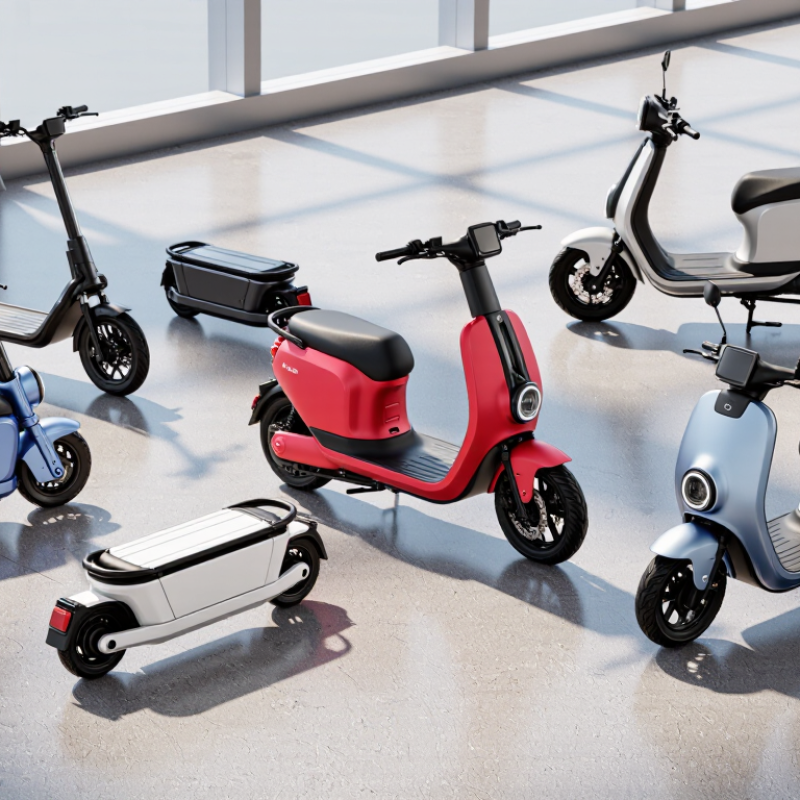
7 Best Automatic Folding Scooters for Global Buyers?

What Defines an Automatic Folding Scooter?

An automatic folding scooter uses a powered mechanism to fold or unfold its frame, usually through a button or remote control. The rider does not need to remove several parts by hand. On some models, the seat, tiller, or basket still needs adjustment before storage. “Automatic” does not always mean fully hands-free.

The key feature is practical portability. A buyer should check the folded dimensions, total weight, and whether the battery can be removed. These details matter when lifting the scooter into a car or storing it in a narrow hallway. A small folded footprint can help, but it does not make a heavy scooter easy to carry. Check the operating instructions, weight limits, and recommended surface before use. Keep hands clear of hinges, and wait for the frame to lock before riding.

Mechanisms differ. Some fold with one press; others need a short sequence of steps. The battery range, turning space, and ride comfort still matter as much as the folding system. Try the controls if possible. A mechanism that feels simple in a showroom may be less convenient on a wet day or with limited hand strength. That deserves a closer look.

Key Features to Compare Across Global Markets

When comparing automatic folding scooters across global markets, start with the folded dimensions and total weight. A scooter that fits beside a car boot may still be awkward on a narrow train or small lift. Check whether the folding process works without lifting, and whether the scooter stays upright once folded. Small details matter.

Battery capacity is only part of the picture. Compare the battery’s removable weight, charging time, and stated travel range, then allow for hills, cold weather, rider weight, and frequent stops. Range figures can be optimistic. Before travel, confirm current battery and transport requirements with the carrier; rules and procedures may differ. Also check charging voltage compatibility and whether replacement batteries are available where you live.

Pay close attention to the wheels, brakes, and ground clearance. Small solid tires may suit smooth indoor floors but feel harsh on cracked pavement. Larger tires can improve comfort, though they may add weight. Test the turning space in a real doorway if possible. It is easy to overvalue a long feature list and overlook the daily carry. Check the user-weight limit, warranty coverage, and local repair options in writing. A low price feels less convincing when a simple control fault means waiting weeks for parts.

Seven Automatic Folding Scooters and Their Distinct Advantages

Automatic folding scooters solve different problems, not just the same problem faster. The WHO and UNICEF Global Report on Assistive Technology estimates that 2.5 billion people need one or more assistive products; this could reach 3.5 billion by 2050. That scale makes practical fit important. A one-touch model reduces setup effort at a doorway. A lightweight design is easier to lift into a car, while a longer-range option suits users facing several daily stops. All-terrain versions offer larger wheels for uneven paths, though rough ground can still feel uncomfortable.

Other designs prioritize tight indoor turns, small folded storage, or a cushioned ride. A narrow-frame scooter can navigate shop aisles more easily. A compact-fold model fits beside luggage, and a comfort-focused option may include a supportive seat and adjustable tiller. Small differences matter. A neat fold does not guarantee easy lifting. Compare total weight, folded dimensions, rated range, and user weight limits before choosing. Real-world range can fall with hills, cold weather, or frequent stops. Test the turning circle and folding sequence if possible; specifications alone can mislead. Some trade-offs remain. A longer battery may add weight, and the most compact frame may feel less stable on rough paving.

7 Automatic Folding Scooter Types and Their Distinct Advantages

Representative advertised maximum travel range by scooter type (miles). These illustrative figures reflect ranges commonly listed for folding mobility scooters; they are not a ranking or independently tested results.

How to read this: Longer advertised range can suit longer outings, while compact and lightweight designs may be easier to transport. Real-world range varies with rider weight, terrain, temperature, battery condition, and speed.

How to Choose a Model for Your Travel and Mobility Needs

Choosing an automatic folding scooter starts with the journey, not the folding button. The World Health Organization’s 2022 Global Report on Assistive Technology estimates that 2.5 billion people need at least one assistive product, including mobility aids. That broad figure is not scooter-specific, but it shows why fit and access matter. A model should suit the rider’s balance, reach, daily distance, and ability to transfer in and out of a seat.

Check folded dimensions and total weight against your car trunk, home doorway, and storage space. Then compare battery range with real trips, including detours and hills. A useful test: picture lifting the scooter after a long day, not just unfolding it in a showroom.

Fit matters. Small wheels may feel less steady on broken pavement, while a wider frame can be harder to maneuver in a crowded lift. Trade-offs are real.

For international travel, ask the airline and transport operator about battery documentation, packing, and advance notice; requirements can differ. Confirm that local service and replacement parts are available where you live.

A compact scooter can still be awkward to carry, and advertised range may not match your route or riding conditions. I would treat specifications as a starting point, then test the controls, turning circle, and seat comfort before choosing.

Ownership, Safety, and Maintenance Considerations

Automatic-folding scooters can simplify daily transfers, but ownership starts with fit, not advertised range. Check folded dimensions, total weight, and whether you can lift the scooter into your vehicle without twisting. Confirm battery-removal options, charging requirements, warranty coverage, and access to qualified service near your home. Details vary by model and market, so keep the user manual and purchase records.

Practice on a quiet, level path before using crowded sidewalks or unfamiliar ramps. Test braking gently, then check how the scooter handles door thresholds and uneven pavement. Small front wheels can catch on cracks. Keep both hands on the controls, slow down on wet surfaces, and use lights in dim conditions. Charge on a dry, stable surface with the supplied charger. Stop using a battery that becomes unusually hot, swollen, or damaged. Familiarity takes time.

Inspect the folding latch before each ride; a partially engaged lock is easy to miss. Check tires, brakes, cables, and loose fasteners regularly, following the manual’s schedule. Pneumatic tires need pressure checks; solid tires still need wear inspections. Wipe dirt from hinges with a soft cloth, but avoid soaking electrical parts. Store the scooter away from extreme heat and prolonged dampness. A tidy routine helps, though maintenance can feel tedious—and even careful owners sometimes forget a check. A recurring phone reminder may be more realistic than relying on memory.

Have Questions?

Talk to a product specialist today: 1-800-308-6788

Snake Tray Catalog

snake tray® CATALOG

the new catalog is here. AVAILABLE IN PRINT AND ONLINE.

DOWNLOAD A PDF REQUEST A PRINTED COPY
CALL US TODAY