As the 2026 Canton Fair approaches, buyers are keenly exploring options for quality products. The spotlight is particularly on advanced materials, including "Cable De Fibra Optica Adss." This type of fiber optic cable is essential for various modern applications, especially in telecommunications infrastructure. Reports indicate that the global fiber optic cable market is expected to see a compound annual growth rate (CAGR) of over 10% by 2026.
The introduction of AI-driven search and smart navigation at the Canton Fair presents an unprecedented opportunity. Buyers can efficiently locate suppliers with essential certifications, such as ISO and CE. This technology drastically improves the flow within the 1.55 million square meters of the venue, ensuring that valuable time is not wasted. However, not every supplier may meet the rigorous standards expected by buyers. It remains crucial to evaluate product quality and supplier credibility.
For those investing in "Cable De Fibra Optica Adss," understanding specifications and applications becomes pivotal. Buyers are encouraged to conduct thorough research and reflection about their choices. With the rapid advancements and evolving market dynamics, staying informed is key to making sound purchasing decisions.
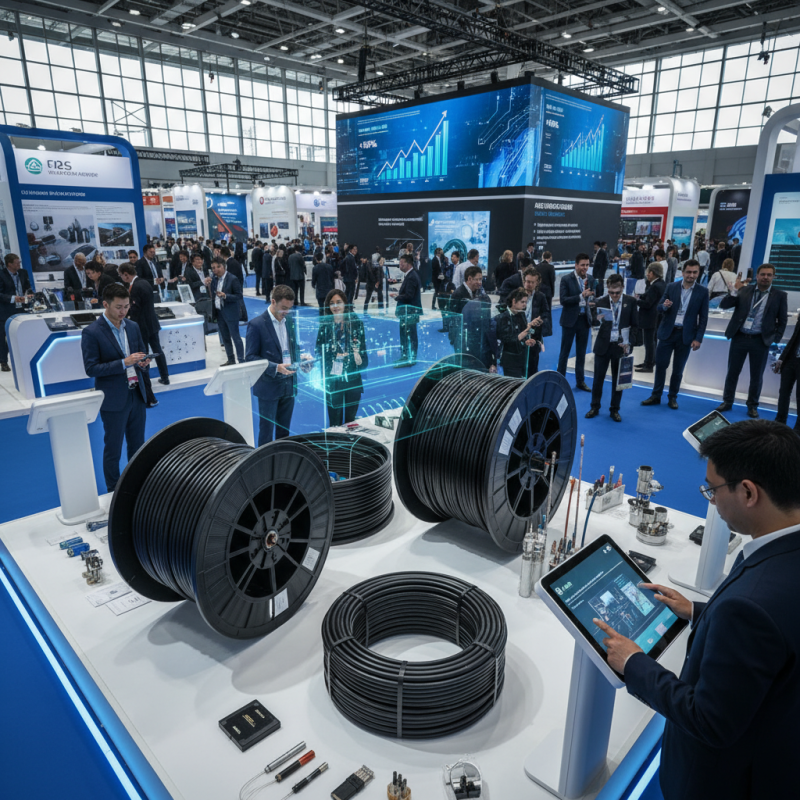
ADSS (All-Dielectric Self-Supporting) fiber optic cables are critical for modern telecommunications. Designed with a non-metallic structure, they are immune to electromagnetic interference. This makes them ideal for use in environments where such interference is prevalent. They also withstand harsh weather conditions. This resilience ensures that the connectivity remains reliable.
When choosing ADSS cables, consider the installation scenario. The cable should meet the environmental demands of the location. Cables with higher tensile strength are essential for areas with severe winds or ice. Additionally, assess the cable's diameter and weight. Lighter cables are easier to handle, but they should not compromise strength.
Tip: For optimal performance, check the fiber count. Higher fiber counts allow for more connections and future upgrades.
Also, consider the suitability for your application. Some cables may not perform well over long distances. Reflect on past projects where challenges arose. Did the chosen cable meet all requirements? Continuous learning helps refine choices for future projects.
ADSS (All-Dielectric Self-Supporting) fiber optic cables have become increasingly popular. They are designed for overhead installations without the need for metallic support. This unique feature makes them resistant to lightning strikes and electromagnetic interference. Such cables are essential in harsh environmental conditions. They can withstand extreme temperatures and high winds.
One of the key advantages of ADSS cables is their lightweight construction. This feature allows for easier installation and reduced installation costs. Flexibility is another benefit, making them suitable for various utility applications. However, these cables can be more challenging to handle compared to traditional cables, requiring specialized training.
Durability stands out in ADSS cables. They are engineered with robust materials that resist moisture ingress and maintain signal integrity over long distances. Still, it’s worth considering that not all ADSS cables are created equal. Choosing the right product requires careful evaluation of specifications. Balancing cost and quality can prove tricky.
When exploring the world of ADSS fiber optic cables, it’s important to consider top brands and manufacturers. Buyers attending the 2026 Canton Fair will find a range of options. The market is full of choices, but not all are equal. Quality is key, so look for cables that stand up to harsh weather. UV resistance and tensile strength matter.
Several manufacturers focus on security and reliability. Yet, some products lack clear specifications. This can lead to confusion. Buyers should inspect the materials used. A well-made cable often includes robust sheathing. The outer layer protects the fibers from environmental factors. It’s essential to analyze reviews and customer feedback. Some companies may promise high performance, but not all deliver.
When deciding on a supplier, consider the diversity of their product range. A varied selection indicates experience and adaptability. However, navigating through countless options can be overwhelming. Check certifications and compliance standards. This can reveal a manufacturer’s commitment to quality. In a competitive market, discerning the right choice is crucial for success.
| Type | Fiber Count | Max Distance (km) | Temperature Range (°C) | Weight (kg/km) | Standard Compliance |
|---|---|---|---|---|---|
| Single Mode | 12 | 80 | -40 to +70 | 100 | IEC 60794 |
| Multi Mode | 24 | 300 | -40 to +70 | 110 | IEC 60794 |
| Armored | 48 | 50 | -30 to +70 | 150 | ANSI/ICEA S-87-640 |
| Outdoor | 96 | 70 | -40 to +70 | 130 | Telcordia GR-20 |
When attending the Canton Fair, selecting the right ADSS fiber optic cables is crucial. Buyers should evaluate specific technical aspects first. Look for the cable's tensile strength. It determines how much weight the cable can bear without breaking. Also consider the operating temperature range. Extreme environments can affect performance significantly.
Another key factor is the installation method. Some cables may require particular techniques for effective deployment. This can affect project timelines. In addition, think about the environmental impact. Green options are increasingly relevant. They often use sustainable materials, leading to better energy efficiency.
Cost is always a concern. However, the cheapest option may not provide the best long-term value. Durable cables save money on maintenance and replacement. Reflecting on these points can guide better choices. A thoughtful approach leads to more successful investments at the fair.
The ADSS (All Dielectric Self-Supporting) fiber optic cable market is evolving rapidly. Currently, the trend emphasizes greater resilience against harsh environments. According to a recent industry report, the global demand for ADSS cables is projected to grow at a CAGR of 8.5% over the next five years. This growth signals an increasing adoption of fiber optics in utilities and telecommunication sectors.
Innovation plays a key role in this market. Manufacturers are focusing on advanced designs that enhance durability and reduce weight. New materials, such as enhanced polymers, are being utilized for better weather resistance. However, challenges remain. Ensuring consistent quality across different production batches can be difficult. This inconsistency might affect installation and long-term performance.
Sustainability is another trend reshaping the industry. Eco-friendly manufacturing processes are gaining importance. Reports indicate that more buyers are considering the environmental impact of their purchases. Yet, integrating these practices while maintaining cost-effectiveness is a complex challenge for many companies. It's crucial for the industry to reflect on how to balance innovation with sustainability effectively.
Fill out the form below and our team will get back to you ASAP.
Snake Tray® is Green and Proudly Powered by the Sun! Snake Tray is committed to designing and manufacturing products that have many green benefits. Our products are made of recycled goods, minimize material waste, are energy efficient, use less non-renewable resources and nest together read more…
Snake Tray® 291 Skip Lane, Bay Shore NY 11706 | PHONE: 631-674-0004 | FAX: 631-674-0010 | www.bakoselectric.com | LEGAL | MADE IN USA
© 2025 SnakeTray. All rights reserved
Fill out the form below to download your document.