Top 10 Benefits of Lithium Battery Cars for Your Next Vehicle?
In recent years, the popularity of the Lithium Battery Car has surged. Many drivers are attracted to its benefits. These vehicles represent a shift towards sustainability and efficiency. Electric cars are quieter and more environmentally friendly than traditional options. They use advanced lithium battery technology, offering impressive range and performance.
Costs are a major consideration when buying a new vehicle. Lithium battery cars often save money in fuel and maintenance. However, some consumers worry about their initial price. But, long-term savings could make them a smart investment. There are also concerns about battery life and disposal, which should not be overlooked.
As the automotive landscape evolves, many are eager to embrace the advancements. The Lithium Battery Car presents exciting opportunities for eco-conscious drivers. Yet, potential buyers must weigh the pros and cons carefully. Choosing the right vehicle is no small matter. Understanding the benefits is essential in making an informed decision.
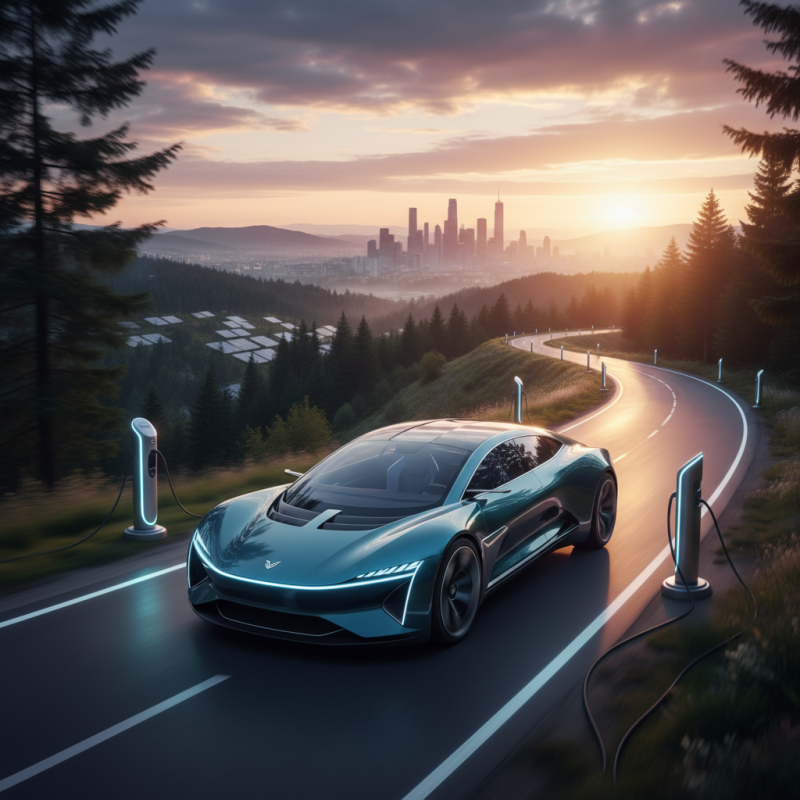
Benefits of Lithium Battery Cars: Environmentally Friendly Attributes
Lithium battery cars offer remarkable environmental benefits. They produce zero tailpipe emissions, which helps reduce air pollution. This is crucial, especially in urban areas where air quality is poor. Additionally, lithium-ion batteries can be recycled, minimizing waste. However, battery recycling processes are still not perfect and require improvement.
The energy density of lithium batteries is another positive aspect. They can store more energy and have longer ranges than many other alternatives. This allows for extended driving without frequent charging breaks. Yet, the production of lithium batteries raises ethical questions. Mining for lithium can be harmful to local ecosystems. Addressing these challenges is vital to achieving a more sustainable future.
Moreover, the overall carbon footprint of lithium battery production is a concern. Although driving these cars can reduce emissions, manufacturing them often involves significant energy use. As technology evolves, finding ways to lower the environmental impact of battery production is essential. Embracing these innovations could lead to better options in the market.
Cost Savings: Analyzing Long-Term Affordability of Lithium Battery Vehicles
Switching to a lithium battery vehicle can lead to significant cost savings. Initial costs might be higher, but the long-term savings add up quickly. Electric vehicles often require less maintenance. They have fewer moving parts compared to traditional cars. This means less wear and tear.
Charging can be cheaper than refueling with gas. At home, electricity rates are often lower. Many owners find charging at night saves even more. Some drivers receive benefits from local incentives or rebates.
Tip: Research local charging stations and home charging options. This helps you gauge your potential electricity costs. Plan your routes around available charging points for convenience.
Another area to examine is resale value. Lithium battery vehicles have been holding their value well. As demand grows, prices are expected to stabilize or even rise. However, keep an eye on market trends.
Tip: Stay informed about battery life and replacement costs. Some models may require expensive battery replacements after several years. Weigh these factors before making a choice. It’s essential to look beyond the initial purchase price. Evaluate the whole lifecycle to truly understand affordability.
Performance Advantages: Acceleration and Efficiency Metrics Compared to Gas Cars
Lithium battery cars offer exceptional performance advantages. Their acceleration rates often exceed those of traditional gas vehicles. Drivers experience a smoother and quicker response when pressing the accelerator. This instant torque is exhilarating, especially in urban settings.
Efficiency is another remarkable factor. Many lithium battery cars provide superior energy usage, converting a higher percentage of stored energy into motion. This results in fewer energy losses compared to gas engines. Despite these advantages, some users report a learning curve when adapting to regenerative braking systems. These features can feel different and may require practice to master effectively.
Although lithium cars present numerous benefits, they aren't without challenges. Battery life and charging infrastructure can still be limiting factors for some drivers. Range anxiety remains a concern, even with advancements in technology. These hurdles need further exploration as the industry evolves.
Infrastructure Impact: Accessibility of Charging Stations Nationwide
The growing popularity of lithium battery cars is transforming how we think about travel. A critical aspect is the availability of charging stations across the nation. Cities and towns are beginning to host more charging points, making it easier for drivers to recharge while on the go. Yet, there are still gaps in infrastructure that need to be addressed. Some remote areas remain void of reliable charging options.
Accessibility is vital for the success of lithium battery cars. A well-distributed network of charging stations means that long road trips can become a reality. However, the inconsistency of charging station speeds can create frustration for drivers. Waiting for a slow charge is less than ideal, especially when you have a busy schedule. Additionally, some areas still require more investment to expand the network.
As cities evolve, it is essential to keep pace with the demands of electric vehicle users. Collaboration between governments and private companies can lead to improvements. While many efforts are underway, it’s clear that ensuring adequate charging infrastructure is an ongoing process. Communities must adapt to support this shift towards renewable energy in transportation. With thoughtful development, accessibility can become a strong point, rather than a hurdle.
Global Market Trends: Growth Predictions for Lithium Battery Car Sales by 2030
The lithium battery car market is on the rise. Predictions suggest a significant increase in sales by 2030. According to recent industry reports, the global market for electric vehicles (EVs) is projected to grow at a compound annual growth rate (CAGR) of 22% from 2023 to 2030. This translates to millions of new electric cars on the roads.
One interesting aspect is the growing demand for lithium-ion batteries. By 2030, it is expected that about 40% of all vehicle sales will be electric. This shift is not just a trend; it reflects changing consumer preferences. More people are prioritizing sustainability when choosing their next vehicle.
Tip: Consider total ownership costs when evaluating electric cars. Many people overlook long-term savings on fuel and maintenance. While the initial purchase price may be higher, the overall expense can be lower.
However, not every buyer is ready for an EV. Some may worry about range anxiety or charging infrastructure availability. It’s crucial to assess your driving habits beforehand. Choosing an electric car should align with your daily needs and lifestyle.
Tip: Research local charging options before making a decision. The availability of charging stations can greatly impact your experience. The market is evolving, but challenges remain. Understanding these factors helps make informed choices.
Top 10 Benefits of Lithium Battery Cars for Your Next Vehicle
| Benefit | Description | Impact on Market Growth |
| Eco-Friendly | Lithium battery cars produce zero tailpipe emissions, reducing air pollution. | Increasing demand due to environmental regulations. |
| Cost-Effective | Lower operating costs compared to traditional vehicles. | Attracting budget-conscious consumers. |
| Performance | Quick acceleration and responsive handling. | Enhancing consumer interest in electric vehicles. |
| Government Incentives | Tax rebates and grants for lithium battery car buyers. | Boosting sales through financial incentives. |
| Energy Efficiency | Higher efficiency in converting energy to motion. | Supporting market growth through technology advancement. |
| Low Maintenance | Fewer moving parts result in lower maintenance costs. | Attracting consumers looking for convenience. |
| Range Improvement | Advancements are continually increasing travel range. | Encouraging more widespread adoption. |
| Safety Features | Modern lithium battery vehicles come equipped with advanced safety measures. | Increasing consumer confidence in electric vehicle technology. |
| Resale Value | Lithium battery cars retain resale value better than traditional vehicles. | Driving market stability and attractiveness. |
| Technological Innovation | Ongoing innovations improve battery life and performance. | Fostering a competitive market environment. |