Drone technology has transformed various industries, making aerial tasks more efficient. One key component driving this revolution is the Drone Lithium Battery. These batteries are specifically designed to provide power to drones, ensuring longer flights and enhanced performance.
The use of Drone Lithium Batteries comes with several advantages. These batteries typically weigh less than traditional options, allowing drones to carry heavier loads or fly longer distances. Their energy density is impressive, providing more power in a compact form. However, these batteries do require careful handling and maintenance, as they can pose risks if mismanaged.
Moreover, the longevity of Drone Lithium Batteries enhances overall drone reliability. Users benefit from extended flight times, which is crucial for tasks like aerial photography, surveying, and agricultural monitoring. While the benefits are significant, it's important to remain aware of potential downsides, such as higher initial costs or specific charging requirements. Evaluating these factors is necessary to make informed decisions about drone operations.
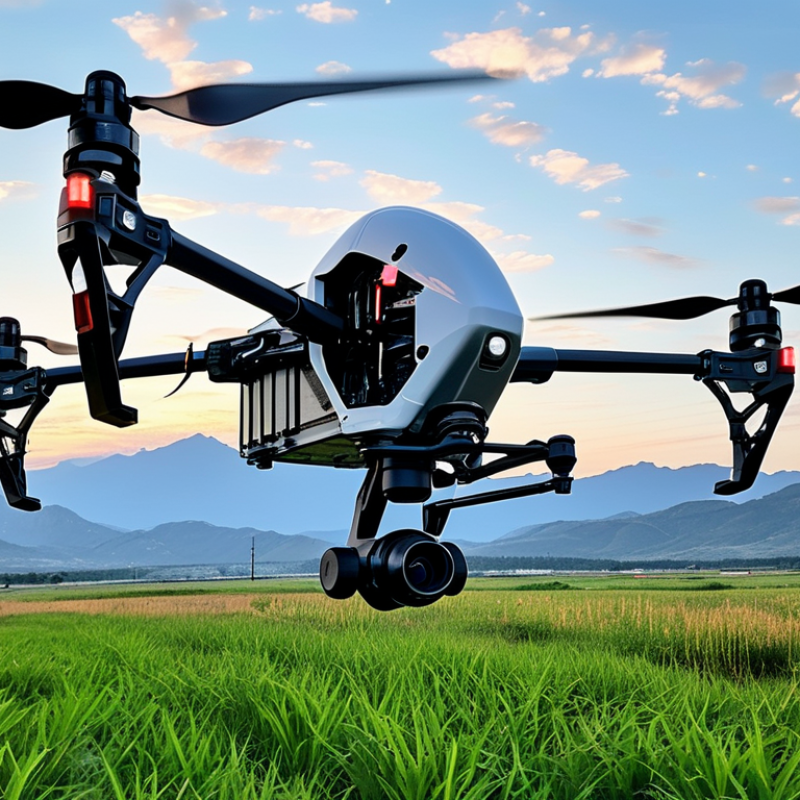
Lithium batteries have become the preferred choice for aerial drones. Their lightweight design allows drones to achieve longer flight times. Unlike traditional batteries, lithium options provide higher energy density. This means more power in a smaller package. Consequently, drones can carry additional payloads or enhance their flight duration.
Energy efficiency is another crucial benefit. Lithium batteries charge quickly and hold their charge longer than older types. This efficiency results in less downtime for operators. Many drone users appreciate this aspect. However, not all lithium batteries are created equal. Some may not perform well in extreme temperatures. Users should consider their specific needs before making a choice.
Lastly, safety is significant. While lithium batteries can catch fire, the risk is lower with quality options. Continuous innovation is essential in this field. Users should stay informed about the latest advancements. As technology progresses, we will see even safer and more effective battery solutions. Exploring these details can make a significant difference in drone performance.

Drone lithium batteries are revolutionizing the aerial drone industry. Flight time and efficiency are two critical advantages. These lithium-ion packs generally provide a higher energy density. Reports indicate that they can improve flight time by up to 30%. This enhancement allows operators to cover larger areas without frequent recharges.
For example, using a 4S lithium battery instead of traditional options can reduce overall weight. Lighter drones can maneuver better, making them more efficient in various tasks. This efficiency is especially important for commercial users, such as agriculture and surveying. Research shows that drones equipped with lithium batteries can complete missions faster, resulting in significant time savings.
However, while these batteries offer improved performance, some challenges exist. Battery lifespan can be affected by extreme temperatures. Operators need to manage charging cycles carefully. Inconsistent charging habits can lead to decreased longevity. Understanding these nuances is essential for maximizing battery effectiveness. As drone technology continues to evolve, the importance of reliable power sources will only grow, emphasizing the need for informed decisions.
Lithium batteries are revolutionizing aerial applications. Their lightweight design is a game-changer for drone technology. These batteries are significantly lighter than traditional options. Weight reduction improves flight times and payload capacity. A lighter drone can maneuver better in the air, leading to enhanced performance and efficiency.
The compact design of lithium batteries allows for more streamlined drone builds. Drones can fly longer distances without the need for frequent recharges. This is crucial for tasks like surveying and monitoring. However, the energy density of lithium batteries isn’t perfect. While they provide substantial power, they can sometimes struggle in extreme temperatures. Users must consider these factors when choosing batteries.
Battery management systems help optimize performance. Yet, they can be complicated for casual users. Some users may not fully understand how to maintain their batteries effectively. Proper care is vital to extend battery life. Despite these challenges, the advantages of using lithium batteries still stand out. They offer the potential for innovation in drone technology and aerial operations.
Lithium batteries have revolutionized the performance of aerial drones. Their ability to provide consistent power makes them excellent for varied applications. One of the key advantages lies in their lightweight composition. This trait improves the drone's flight time and agility. As a result, operators can complete tasks efficiently without frequent recharges.
A significant aspect of lithium battery technology is its energy density. Drones can achieve longer flight durations thanks to this enhanced energy storage capability. Consequently, professionals in fields like photography or surveying benefit from extended air time. However, managing power effectively is essential. Operators should monitor battery levels closely to avoid sudden drops in performance.
Tip: Always perform pre-flight checks on batteries. This practice ensures they are fully charged and functioning well.
Regularly updating your drone's software can improve battery performance. New updates often optimize power management. Users should also consider temperature conditions. Extremely cold or hot environments may impact battery efficiency.
Tip: Store lithium batteries in a cool, dry place to prolong their lifespan.
The transition to lithium technology offers clear advantages for aerial drones. Embracing this innovation can enhance overall performance and reliability while navigating the challenges of flight.
Drone lithium batteries offer significant environmental advantages. Their lightweight design reduces energy consumption during flights. This efficiency leads to lower greenhouse gas emissions. Unlike traditional batteries, lithium options have a longer lifespan. A longer lifespan means fewer batteries end up in landfills. This aspect is essential for sustainability in drone technology.
However, lithium extraction raises questions about environmental impact. Mining lithium can damage ecosystems and deplete local water resources. It's crucial to source materials responsibly. Additionally, the recycling of lithium batteries is an area needing improvement. Proper recycling processes can help minimize waste. Creating a circular economy around lithium batteries is vital for the future. The drone industry must address these challenges to ensure ecological balance.
| Benefit | Description | Environmental Impact | Sustainability Aspect |
|---|---|---|---|
| Lightweight Design | Lithium batteries are significantly lighter than traditional batteries, which enhances drone performance and payload capacity. | Reduces energy consumption during flight. | Contributes to longer life cycles and efficient usage. |
| High Energy Density | Offers a high amount of energy per unit weight, improving flight time. | Less frequent recharging reduces carbon footprint. | More efficient use of resources. |
| Quick Charge Times | Lithium batteries can be charged quickly, increasing operational efficiency. | Minimizes downtime and reduces energy wastage. | Enhances productivity with fewer resources consumed. |
| Lower Self-Discharge Rate | Maintains charge for longer periods, ensuring drones are ready when needed. | Encourages efficient energy use during idle times. | Less frequent replacements lead to lower waste. |
| Long Lifecycle | Lithium batteries can endure many charge cycles, lowering replacement rates. | Fewer discarded batteries reduce environmental contamination. | Promotes sustainable consumption patterns. |
| No Memory Effect | Users can recharge them at any time without loss of capacity. | Encourages better management of battery lifecycle. | Maximizes efficiency over the battery’s lifetime. |
| Versatile Applications | Can be used across various drone types and sizes. | Versatility reduces the need for multiple battery types. | Fosters a circular economy in battery use. |
| Advanced Safety Features | Many lithium batteries come with built-in safety mechanisms to prevent overheating and fires. | Improved safety reduces risk of environmental disasters. | Supports responsible manufacturing practices. |
| Cost-Effectiveness | Higher initial investment but lower overall costs due to longevity and durability. | Lower environmental cost over time. | Encourages investment in sustainable technology. |
| Improved Performance in Various Conditions | They perform well in extreme temperatures and are more reliable. | Reliable performance can lead to fewer resources needed. | Consistent quality reduces wastage. |
Fill out the form below and our team will get back to you ASAP.
Snake Tray® is Green and Proudly Powered by the Sun! Snake Tray is committed to designing and manufacturing products that have many green benefits. Our products are made of recycled goods, minimize material waste, are energy efficient, use less non-renewable resources and nest together read more…
Snake Tray® 291 Skip Lane, Bay Shore NY 11706 | PHONE: 631-674-0004 | FAX: 631-674-0010 | www.bakoselectric.com | LEGAL | MADE IN USA
© 2025 SnakeTray. All rights reserved
Fill out the form below to download your document.