As the 2026 Canton Fair approaches, buyers in the Audio Video Cable sector need to be well-prepared. With major advancements in technology and increased competition, understanding key trends is crucial. According to a report by Industry Analysts, the global audio video cable market is expected to grow significantly, fueled by the rise in consumer electronics and smart home systems. “Investing in high-quality audio video cables can enhance the overall user experience,” asserts Dr. Emily Chen, a leading expert in the field.
Moreover, the introduction of AI features at the Canton Fair allows buyers to efficiently filter suppliers based on certifications like ISO and CE. This technology not only streamlines the search process but also emphasizes the importance of quality in audio video cables. However, many buyers often overlook the critical role these cables play in audio and visual systems. The effectiveness of presentations or entertainment can be compromised by poor cable choices. Paying close attention to specifications and supplier ratings can prevent costly mistakes.
Navigating through the expansive fair venue of 1.55 million square meters may seem daunting. But embracing these innovations can enhance the purchasing process. Do not forget that the right audio video cable can significantly impact performance. Awareness of these factors will lead to more informed decisions.
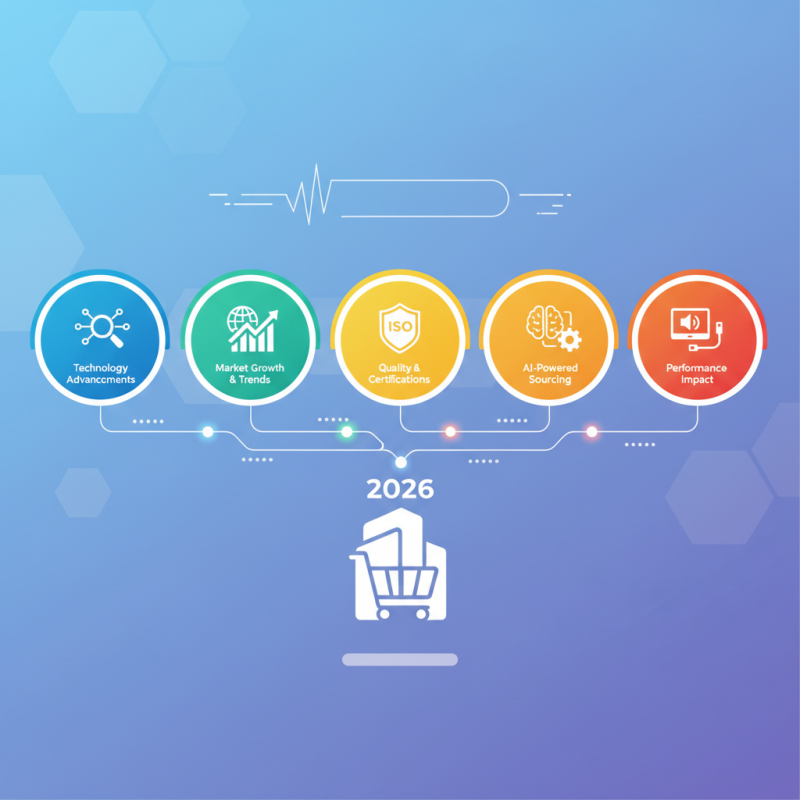
When preparing for the Canton Fair, knowing the right audio video cables is essential. Different types serve varying needs. High-quality HDMI cables are popular for video streaming. They support 4K resolution and are essential for connecting TVs to devices. However, not all HDMI cables are created equal. Choosing the right length can sometimes lead to confusion. Longer cables may lead to signal degradation.
Optical audio cables provide excellent sound quality. They are perfect for connecting sound systems or home theaters. But, there are specific installation considerations. Ensure the cables are not bent too sharply. This can affect performance. Remember to check compatibility with your devices.
Another option is the coaxial cable. It transfers audio and video signals very effectively. They often provide stable connections but can be bulky. This might deter some users who prefer a wireless solution. Like other cables, always inspect for wear and tear. Even a small fray can disrupt a seamless experience.
As buyers prepare for the 2026 Canton Fair, understanding HDMI standards is crucial. The HDMI (High-Definition Multimedia Interface) has evolved, with key specifications expanding every year. For instance, HDMI 2.1 supports resolutions up to 10K and offers higher bandwidth. Reports indicate that nearly 70% of users prioritize image quality when choosing cables, highlighting the importance of these specs.
Tip: Always check the HDMI version compatible with your device. Mismatched versions can lead to performance issues. Many buyers overlook this, resulting in subpar experiences.
Another important factor is the cable length. Longer cables can lead to signal degradation. A report from HDMI Licensing Administrator states that over 30% of users use cables longer than 15 meters, often facing issues like flickering.
Tip: Use active cables for lengths exceeding this. Ensure you invest in high-quality solutions. It's a decision often undervalued in the process.
Understanding these details can significantly enhance your purchase decisions. In an ever-evolving market, staying informed is essential.
When it comes to audio and video quality, cable length is a crucial factor. Longer cables can lead to signal degradation. This is especially important for buyers attending trade shows like the Canton Fair in 2026. According to a study by the International Electrotechnical Commission, signal loss increases by 1 dB for every 100 feet of cable used. Such losses can severely affect audio clarity and video resolution.
Buyers should be cautious about choosing the right length. Often, shorter cables can help maintain better signal integrity. However, many exhibitors overlook this aspect, opting for longer cables to accommodate their setups. This is a common mistake that can result in disappointing audio-visual experiences. A survey indicates that 30% of users notice a drop in quality with cables longer than 50 feet.
In this competitive environment, ensuring high-quality outputs is vital. Buyers should also consider cable materials and shielding techniques. Poor-quality cables can create interference, adding unwanted noise to audio outputs. The market is flooded with options, making choices overwhelming. Prioritizing effective length and design will enhance the overall experience at the Fair.
When evaluating cable materials for audio and video applications, copper and fiber optic options stand out. Copper cables are widely used and known for their reliability. They deliver good sound quality and can transmit signals over short distances without much loss. However, they are prone to interference. This can lead to degraded performance, especially in environments with many electronic devices.
On the other hand, fiber optic cables offer several advantages. They transmit data using light signals, which makes them immune to electromagnetic interference. This results in cleaner, clearer audio and video quality. Fiber optic cables work well for long distances. But, they can be more fragile than copper cables. Installing them requires proper handling to avoid damage.
When choosing between these two types, consider your specific needs. Think about the installation environment. Are there many competing signals? What's the distance to cover? Each material has its own strengths and weaknesses. Your choice could impact performance significantly.
| Tip | Description | Material Comparison | Usage Scenario | Pros | Cons |
|---|---|---|---|---|---|
| 1. Choose the Right Material | Evaluate whether copper or fiber optic is better for your needs. | Copper vs Fiber Optic | Home Theater | Strong conductivity, cost-effective for short distances. | Signal degradation over long distances. |
| 2. Consider Signal Quality | Determine the importance of high-quality signal transmission for your setup. | Fiber Optic for High Definition | Professional AV Installation | Superior transmission over long distances without loss. | Higher initial cost and fragility. |
| 3. Check Compatibility | Ensure cables are compatible with existing devices. | Universal Compatibility | Various Home Devices | Versatile and widely accepted in the market. | May not support very high resolutions. |
| 4. Evaluate Length Requirements | Choose cable lengths appropriate for your setup to avoid excess slack. | Optimal Length Considerations | Media Production | Customizable lengths available. | Long cables may incur a signal loss in copper. |
| 5. Investigate Pricing | Balance quality and budget when selecting cables. | Cost Analysis | Wholesale Buying | Bulk purchasing discounts available. | Cheaper options may compromise quality. |
Sustainability is a major trend in the audio-video cable industry. Buyers at the 2026 Canton Fair should definitely consider eco-friendly options. Recent studies show that over 70% of consumers prefer sustainable products. The demand for eco-friendly cables has increased significantly.
Materials play a crucial role in sustainability. Many manufacturers are now using recyclable and biodegradable materials. This shift reduces environmental impact. Biodegradable cables can decompose in certain conditions, unlike traditional plastics. Reports indicate that these materials can cut carbon emissions by up to 30%.
However, some challenges exist. The performance of eco-friendly cables is sometimes questioned. Not all products meet the high standards of conventional cables. Manufacturers need to ensure quality isn’t compromised. Testing and certifications are key in this transition. As the industry evolves, buyers should remain informed and critical, balancing eco-friendliness with performance.
Fill out the form below and our team will get back to you ASAP.
Snake Tray® is Green and Proudly Powered by the Sun! Snake Tray is committed to designing and manufacturing products that have many green benefits. Our products are made of recycled goods, minimize material waste, are energy efficient, use less non-renewable resources and nest together read more…
Snake Tray® 291 Skip Lane, Bay Shore NY 11706 | PHONE: 631-674-0004 | FAX: 631-674-0010 | www.bakoselectric.com | LEGAL | MADE IN USA
© 2025 SnakeTray. All rights reserved
Fill out the form below to download your document.