5 Best Electrofusion Reducing Tees for Global Buyers?
Choosing the 5 Best Electrofusion Reducing Tees requires more than comparing catalog prices. A tee may look identical on a warehouse shelf, yet differ in resin grade, heating-wire design, dimensional tolerance, and pressure performance. These details matter when a 160-millimeter main line reduces to 110 millimeters beneath a busy road.
Market evidence supports careful selection. Grand View Research identifies steady growth in the global plastic pipes market, driven by water, gas, irrigation, and infrastructure replacement. Its recent assessments also highlight polyethylene’s corrosion resistance and installation efficiency. The Plastics Pipe Institute’s technical guidance emphasizes controlled fusion procedures, surface preparation, alignment, and cooling time. Those steps are not decorative. They decide whether a joint performs reliably years later.
Tony Radoszewski, former President and CEO of the Plastics Pipe Institute, has described plastic pipe as “the future of infrastructure.” His observation is useful, but it should not end the evaluation. The future still needs testing.
This guide compares five Electrofusion Reducing Tee options for global buyers. It considers dimensional standards, pressure ratings, welding compatibility, manufacturer documentation, and field support. It also examines certification claims carefully, because not every “international” label proves equal quality. Buyers should verify ISO 4427 compatibility, applicable local requirements, batch traceability, and installation instructions before ordering.
There is no universal winner. A municipal water project, mining network, and agricultural system face different risks. That is the uncomfortable part. A cheaper fitting can become expensive after one failed shutdown. The strongest choice balances verified performance, availability, and practical installation experience.
What Is an Electrofusion Reducing Tee?
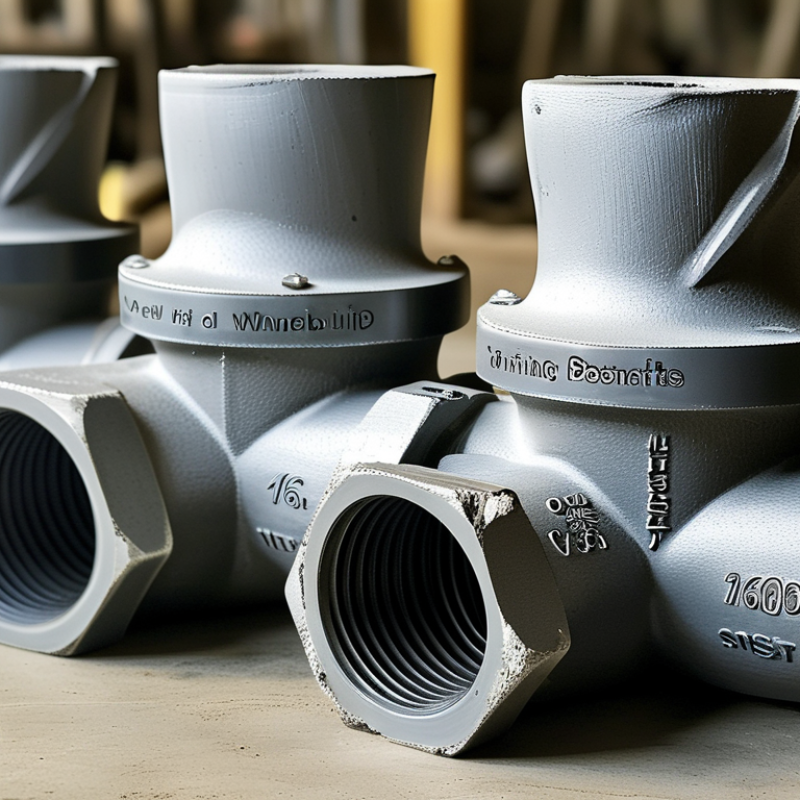
An electrofusion reducing tee is a polyethylene pipe fitting with three outlets: two aligned ports and one smaller branch. It connects pipes with different diameters inside a pressure-rated distribution network. During installation, an electrofusion machine sends controlled current through embedded resistance wires. The wires heat the surrounding polyethylene and fuse the fitting around the pipe surfaces. Unlike a mechanical clamp, the fitting becomes part of the continuous pipe system. That distinction matters underground.
A reliable reducing tee depends on more than its dimensions. The fitting and pipe should have compatible polyethylene grades and pressure ratings. Technicians usually scrape the pipe surface, remove oxidation, clean it, and mark the insertion depth. The pipe must remain still during heating and cooling. Moisture, ovality, poor alignment, or interrupted power can weaken the joint. Small details decide large outcomes. In my experience, rushed preparation causes more failures than the fusion cycle itself.
Global buyers should review diameter combinations, SDR compatibility, traceability records, installation instructions, and applicable local standards. Factory test data supports purchasing decisions, but it cannot replace competent site inspection. A fitting may look perfect while hidden contamination remains inside the socket. That is an uncomfortable limitation. Buyers should also check storage conditions, because heat, sunlight, and damaged packaging may affect performance before installation. Choosing the cheapest option seems practical, yet lifecycle cost deserves closer attention. Is the documentation clear enough for an inspector to verify?
5 Best Electrofusion Reducing Tees for Global Buyers? - What Is an Electrofusion Reducing Tee?
| Recommended Configuration | Nominal Outside Diameters | Typical PE Grade | Common SDR / Pressure Class | Typical Applications | Global Standard References | Why It Is a Strong Choice |
| Compact Service Tee | 63 × 32 × 63 mm | PE100 | SDR11; typically PN16 for water at 20°C | House connections, irrigation branches, small distribution lines | ISO 4427, EN 12201, ASTM F1055, subject to product certification | Low material use, easy handling, and suitable for small-diameter service connections. |
| Utility Distribution Tee | 90 × 40 × 90 mm | PE100 or PE100-RC | SDR11; typically PN16 for water at 20°C | Urban water distribution, branch connections, light industrial supply | ISO 4427, EN 12201, EN 1555 where applicable to gas systems | A balanced size for projects requiring a robust main line with a smaller outlet. |
| High-Flow Branch Tee | 110 × 63 × 110 mm | PE100 | SDR11 or SDR17; typically PN16 or PN10 for water at 20°C | Municipal mains, agricultural water systems, process-water branches | ISO 4427, EN 12201, ASTM F1055 | Provides a practical compromise between flow capacity, installation space, and transport cost. |
| Large Main-to-Branch Tee | 160 × 90 × 160 mm | PE100 or PE100-RC | SDR11; typically PN16 for water at 20°C | Large municipal networks, industrial utilities, treatment-plant piping | ISO 4427, EN 12201, ASTM F1055, project-specific utility specifications | Offers high structural strength and reliable branch reduction for demanding networks. |
| Heavy-Duty Infrastructure Tee | 250 × 110 × 250 mm | PE100-RC or PE100 | SDR11; typically PN16 for water at 20°C | Trunk mains, industrial water, mining and infrastructure projects | ISO 4427, EN 12201, ASTM F1055, local authority requirements | Designed for high-flow main lines where long-term pressure resistance and impact performance are important. |
Selection note: An electrofusion reducing tee is a polyethylene fitting with one larger run and a smaller branch outlet. Electrical resistance wires embedded in the fitting melt the adjoining pipe surfaces and create a permanent joint. Pressure classes shown are typical reference values for PE100 water systems at 20°C; actual ratings depend on SDR, temperature, medium, design code, fusion procedures, and local approval requirements. Gas applications require the applicable gas-network standard and operating-pressure verification.
How Electrofusion Reducing Tees Are Rated for Performance
When global buyers compare the five best electrofusion reducing tees, performance ratings deserve more attention than catalogue appearance. ISO 4427 classifies polyethylene by Minimum Required Strength: PE80 carries 8 MPa, while PE100 carries 10 MPa at 20°C over a 50-year design period. That figure applies to the material, not automatically to every welded joint.
A reliable reducing tee should show compliance with ISO 4427-3 or ASTM F1055. Buyers should also request results for pressure cycling, tensile resistance, and decohesion testing.
ISO 13954 evaluates electrofusion joint resistance to peeling failure. ISO 13955 examines crushing decohesion. These tests expose weak fusion zones that visual checks may miss. The Plastics Pipe Institute’s Handbook of Polyethylene Pipe stresses that surface scraping, alignment, heating, and cooling control strongly influence field reliability.
Small errors matter.
Look for traceability records, fusion voltage ranges, batch identification, and documented dimensions. A fitting rated for SDR11 should match the connected pipe and operating temperature. Pressure ratings also require correction at elevated temperatures; a 50-year value is not a universal promise.
In practice, installers may overtrust barcode readings. That is a weakness. A clean surface can still hide moisture or incomplete oxidation removal. Independent test certificates, installation audits, and failure-mode data provide stronger evidence than a high pressure number alone.
Installation, Testing, and Maintenance Requirements
5 Best Electrofusion Reducing Tees for Global Buyers
Choosing the best electrofusion reducing tee depends on more than size and price. Confirm pipe diameter, SDR rating, pressure class, and resin compatibility before ordering. The fitting should include clear fusion markings and traceable production data. These details support reliable installation across different project locations.
Installation requires a clean, dry pipe surface. Remove the oxidized layer evenly, without reducing the pipe wall excessively. Align the tee carefully and use a clamp to prevent movement during fusion. A stable power supply matters. Record voltage, fusion time, ambient temperature, and cooling time. Never disturb the joint early. It may look finished, but internal strength develops during cooling.
Tips: Use calibrated tools. Keep dust away. Check the generator before work. Test the joint only after the approved cooling period. A visual inspection should confirm proper alignment, complete insertion, and no melted material outside the fitting. Pressure testing should follow the project specification, with calibrated gauges and controlled pressure changes. I have seen rushed scraping create weak joints that passed a quick visual check. That mistake is easy to repeat. Maintenance teams should inspect exposed tees for impact marks, soil movement, and unusual stress. Keep fusion records, test results, and repair notes together. No checklist is perfect, so field workers should question unclear readings instead of signing automatically.
Global Standards and Supplier Selection for Buyers
For global buyers, an electrofusion reducing tee is not merely a molded fitting. It must match the pipe system, joining equipment, and local approval route. Check standards such as ISO 4427, EN 12201, or applicable ASTM specifications. Do not assume one certificate covers every market. Confirm resin grade, SDR range, outlet dimensions, pressure rating, and operating temperature. A dependable datasheet should display these details clearly.
Supplier evaluation needs evidence, not polished promises. Request material certificates, production-batch traceability, fusion-wire resistance data, and pressure-test records. Ask how the factory controls socket dimensions and cooling time. A reliable supplier can explain sampling plans and corrective actions. Independent laboratory reports add confidence, especially when documents show test dates and sample numbers. Check installation training and replacement support. Small details matter.
Before ordering, send actual pipe data and electrofusion machine parameters. Verify barcode or manual fusion compatibility, storage conditions, and packaging protection against dust and sunlight. A trial joint can reveal ovality, scraping marks, or poor alignment. We once treated a familiar standard as sufficient. That assumption left a gap in site documentation. It was fixable, but avoidable. Buyers should compare lead time, minimum order quantities, inspection access, and communication speed. The cheapest tee may become expensive when traceability is missing.
5 Best Electrofusion Reducing Tees for Global Buyers
Common PE100 pressure classes used when evaluating electrofusion reducing tees for international water applications.
The chart shows typical nominal pressure ratings at 20°C for PE100 pressure pipe according to the SDR relationship used in ISO 4427-based systems. Buyers should confirm the fitting’s matching SDR, ISO 4427 or equivalent conformity, fusion compatibility, dimensional tolerances, and project-specific temperature derating with the supplier.