2026 Best Oil Rubber Hose Types for Global Buyers?

Choosing the best Oil Rubber Hose in 2026 requires more than comparing price, color, or advertised pressure. Global buyers face different fuels, climates, equipment designs, and transport conditions. A hose used beside a refinery may need different protection from one installed on a mobile tanker.

Hose-application specialist James R. Dwyer says, “The right hose follows the fluid, pressure, temperature, and movement—not the sales label.” That principle remains practical. Buyers should check inner-tube compatibility, working pressure, temperature range, bend radius, reinforcement, and coupling design. A durable cover also matters when the hose meets sunlight, oil mist, abrasion, or rough steel edges.

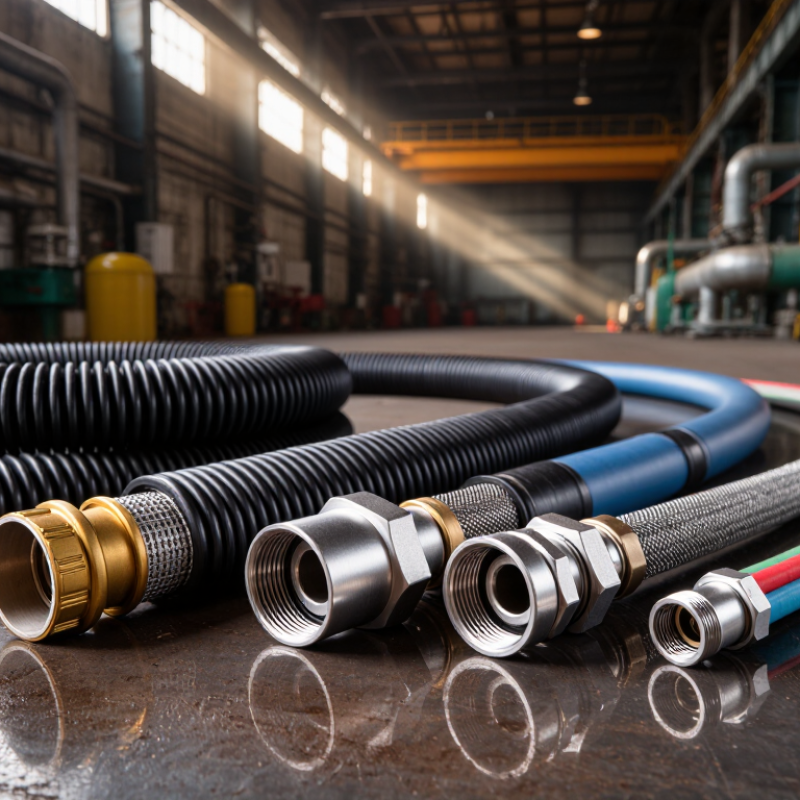
Several types deserve attention in 2026. Fuel-distribution hoses support loading and unloading systems. Oil-suction and discharge hoses handle bulk transfer, where flexibility and collapse resistance become important. High-pressure oil hoses suit demanding machinery, but their fittings and safety margins require careful verification. Composite hoses may reduce weight, although they are not automatically the best choice.

Small details matter.

A buyer should request batch traceability, test records, and installation guidance. Relevant standards may include EN, ISO, SAE, or API requirements, depending on the application and destination market. However, certification alone does not guarantee a suitable product. Real service conditions can expose weaknesses that laboratory tests miss.

This guide compares Oil Rubber Hose types through a practical purchasing lens. It considers fluid compatibility, pressure behavior, temperature exposure, maintenance, and total service life. Some recommendations remain conditional. That is intentional. No universal hose exists, and even experienced buyers can overlook movement, vibration, or coupling stress.
2026 Best Oil Rubber Hose Types for Global Buyers?

Oil Rubber Hose Basics: Structure, Materials, and Core Functions

2026 Best Oil Rubber Hose Types for Global Buyers

Oil Rubber Hose Basics: Structure, Materials, and Core Functions

An oil rubber hose is a flexible pressure pathway, not simply a rubber tube. Its inner tube contacts the fluid and controls oil compatibility. Nitrile rubber is widely used because it resists petroleum oils and fuels. Fluoroelastomer can handle more demanding chemical and temperature conditions, but it usually costs more. Material choice should follow the actual oil, temperature, pressure, and exposure time.

The reinforcement layer gives the hose strength. Textile yarns suit many medium-pressure applications, while steel wire supports higher pressure and vacuum resistance. A protective outer cover shields the assembly from abrasion, sunlight, heat, and moisture. Some designs include a conductive layer to reduce static buildup. The details matter.

Small details matter.

A smooth inner surface helps maintain flow and limits residue collection. A corrugated structure improves flexibility, but may reduce resistance to some external damage. Buyers should check working pressure, minimum bend radius, temperature range, and fitting compatibility together. In field inspections, a hose may look clean while its inner wall has already hardened or swollen. That hidden failure is easy to miss. I would also question catalog claims that omit test conditions, because “oil resistant” does not describe every oil, blend, or operating cycle. A careful inspection should include cracks, soft spots, exposed reinforcement, fitting movement, and date records before installation.

Main Oil Rubber Hose Types and Their Best Applications

Oil rubber hoses differ by pressure, flexibility, and fluid compatibility. Suction and discharge hoses suit tank transfer, loading areas, and short-distance fuel movement. Their reinforced walls resist collapse when pumps create negative pressure. A hydraulic oil hose fits mobile equipment and factory power units. It handles high pressure, repeated bending, and compact routing. For hot lubricants, heat-resistant oil hoses reduce hardening around engines and compressors. Small details matter.

Composite oil hoses offer lower weight and easier handling during marine or terminal operations. They can be useful where frequent connection changes make steel piping impractical. Drilling hoses require stronger reinforcement and careful pressure control. Their service conditions are severe, with vibration, pulsation, and abrasive surroundings. A 2024 industrial hose market analysis from Grand View Research estimated the global market at more than 12 billion U.S. dollars in 2023. It also indicated continued growth through 2030, supported by energy, manufacturing, and transport demand.

Application should guide selection, not appearance. Check working pressure, temperature, bend radius, oil type, and coupling design together. ISO and SAE specifications help buyers compare construction and performance, but certification alone cannot replace site inspection. MarketsandMarkets reported that industrial hose demand is expanding with process automation and fluid-transfer systems. I would not treat that forecast as a purchase rule. Actual service life may fall sharply with twisting, sunlight, or incompatible cleaning chemicals. A hose that looks oversized can still fail when its inner tube is wrong.

How to Choose Hose Size, Pressure, Temperature, and Compatibility

Choosing an oil rubber hose starts with the fluid, not the catalog picture.

Check the oil type, additives, viscosity, and operating temperature. ISO 18752 classifies hose performance by pressure, temperature, and impulse resistance. Its ratings help buyers compare products across suppliers. Still, laboratory ratings are not field experience.

Size matters more than many buyers expect.

A hose with a small internal diameter can create pressure loss, heat, and faster wear. Measure the port size, required flow, and bend radius before ordering.

The U.S. Department of Energy reports that inefficient industrial fluid systems can waste substantial energy through pressure losses.

A practical target is to keep fluid velocity moderate and avoid sharp bends near fittings. Bigger is not always better.

Pressure selection needs honest calculation.

Separate working pressure from surge pressure and test pressure. The hose should exceed the highest expected operating pressure, including startup shocks. Temperature also changes rubber performance. Continuous heat can harden the tube, while cold conditions reduce flexibility.

EN 12115 offers guidance for hoses handling liquid chemicals, while API Specification 7K addresses specific oilfield hose applications. Compatibility tables remain essential. Two oils with similar names may react differently with the same rubber compound.

I have seen buyers choose by outside diameter alone. That shortcut often fails. Recheck the data sheet, fitting material, and service environment before approval.

Global Standards, Safety Requirements, and Quality Inspection

2026 Best Oil Rubber Hose Types for Global Buyers?

Global buyers should select oil rubber hoses by service conditions, not appearance. Common references include ISO 18752, SAE J517, EN 853, EN 856, and EN 1761. The correct standard depends on pressure, temperature, oil type, flexibility, and suction requirements. A hose marked to one standard is not automatically suitable for every market. Always compare the supplier’s declaration with the destination country’s requirements.

Safety begins with material compatibility. The inner tube must resist the specified oil without swelling, cracking, or softening. Reinforcement should match working pressure, impulse cycles, and bending movement. The cover needs resistance to abrasion, ozone, heat, and outdoor exposure. Keep the working pressure below the rated limit. Avoid sharp bends near fittings. Small installation errors can cause large failures.

Quality inspection should include dimensional checks, visual examination, hardness testing, and pressure testing. Inspectors should verify bore size, wall thickness, cover condition, fitting attachment, markings, and batch traceability. Production samples may require impulse, leakage, vacuum, or oil-resistance tests. A certificate alone is not proof. I have seen clean-looking hoses fail after repeated bending. That weakness is easy to miss during a quick inspection. Buyers should request test records, material details, inspection photos, and storage dates. The process is not perfect, but documented evidence exposes more risk than a low price ever can.

Buying Guide: Suppliers, Customization, Cost, and Shipping Factors

2026 Best Oil Rubber Hose Types for Global Buyers?

Choosing an oil hose starts with the fluid, pressure, temperature, and working environment. NBR hoses suit many mineral oils and hydraulic applications. FKM rubber handles higher temperatures and stronger chemical exposure, but usually costs more. Reinforced rubber hoses provide better pressure resistance than plain-wall designs. Check the working pressure, burst pressure, bend radius, and temperature range together. A hose can fail when one specification is ignored.

Supplier quality needs practical verification. Request material data, inspection records, pressure-test results, and production samples. Confirm whether fittings are crimped, threaded, or customized for your equipment. Custom orders may include special lengths, inner diameters, covers, reinforcement layers, and printed markings. Ask about minimum order quantities and mold charges before approving drawings. Mistakes often begin with unclear measurements.

Tips: Compare at least three suppliers. Review test evidence, not promises. Calculate landed cost, including tooling, packaging, freight, insurance, duties, and local handling. Sea shipping often reduces unit cost but requires longer planning. Air shipping is faster, yet expensive for heavy reels. Use protective caps and strong cartons to prevent crushed ends and contamination. Confirm export documents and destination requirements early. No buying guide is perfect. Field conditions can reveal gaps in laboratory data. Feedback from installers should influence the final specification.

Have Questions?

Talk to a product specialist today: 1-800-308-6788

Snake Tray Catalog

snake tray® CATALOG

the new catalog is here. AVAILABLE IN PRINT AND ONLINE.

DOWNLOAD A PDF REQUEST A PRINTED COPY
CALL US TODAY