Top 10 Types of LED Linear Modules for Global Buyers
Choosing the right LED linear module is not only a question of brightness. Buyers also need to consider installation space, light distribution, operating temperature, dimming, and service access. A narrow shelf, a deep ceiling cove, and a long factory aisle create different demands. Small details matter. This guide introduces ten common module types and explains where each may fit. It is intended to help global buyers compare product specifications, suppliers, and project requirements. Specifications do not always tell the whole story.
Some modules prioritize high output for commercial interiors, while others support compact signage, cabinet lighting, or continuous architectural lines. Options may differ in LED density, PCB width, voltage, color temperature, color rendering, protection rating, and connector design. These differences can shape wiring plans, heat management, maintenance intervals, and replacement choices. Ask suppliers for current datasheets, test conditions, and sample units before placing volume orders. Check whether stated performance matches your ambient temperature and mounting method. A specification can look impressive. Real installations can disagree. That gap deserves attention. This overview also highlights questions buyers should raise about consistency, warranty terms, production capacity, and documentation. No single type suits every project. The right choice depends on measurable needs and practical trade-offs, not a product label alone. Use the ten categories as a shortlist, then verify each option against site conditions and supplier evidence.
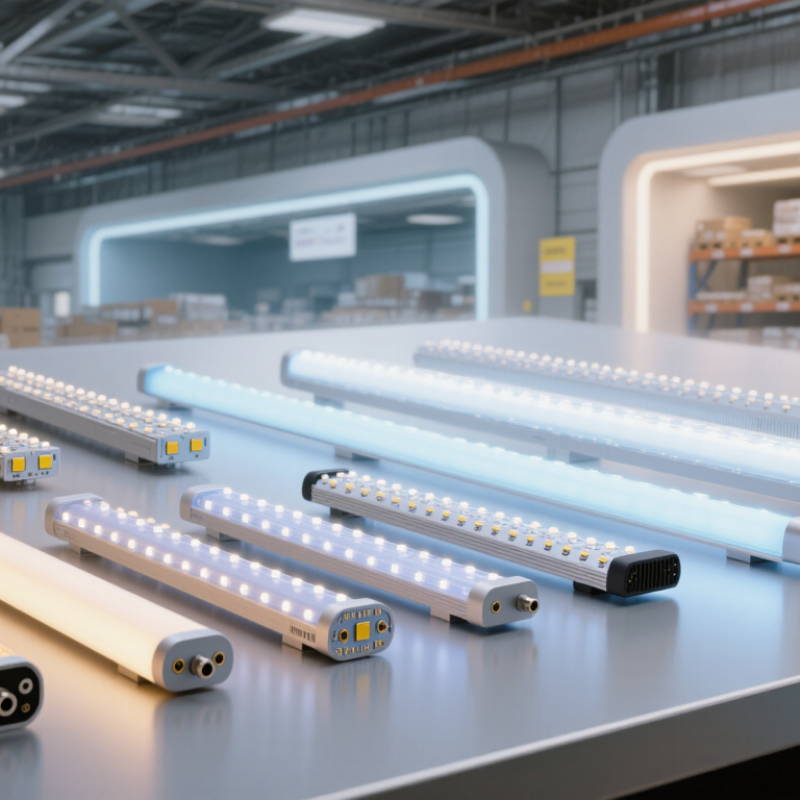
What LED Linear Modules Are and How They Work
An LED linear module is a compact lighting assembly with multiple LEDs arranged along a narrow board. It may use a rigid or flexible circuit, depending on the fixture and application. The board carries electrical paths and helps transfer heat away from the LED chips. Some modules also include lenses or a diffuser to shape the light. That matters.
In operation, a compatible driver supplies controlled electrical current to the LEDs. The LEDs convert much of that electrical energy into visible light, while some becomes heat. A metal-core board and a well-fitted housing can help manage that heat, but neither replaces correct installation. Check the module’s voltage, current, dimensions, and driver requirements before selecting it. Color temperature and color rendering also affect how a workbench, shelf, or corridor appears.
The neat diagrams rarely show cramped wiring or uneven surfaces. Those details can affect contact, cooling, and the final light pattern. Even a suitable module may perform poorly inside an unsuitable fixture. Specifications are useful, but real operating conditions deserve a close look.
How LED Linear Modules Are Classified by Design and Performance
LED linear modules are classified by form, optical layout, and electrical design. Rigid PCB modules fit straight channels and maintain consistent spacing between emitters. Flexible strips bend around coves and curved joinery, but need careful heat management. Linkable bars simplify long runs; integrated modules combine emitters and optics in one assembly. These groups overlap. A “linear” label alone says little about fit or output.
Performance comparisons should include efficacy in lumens per watt, color rendering, correlated color temperature, thermal behavior, and lumen maintenance. Check measurements at the module’s actual operating current, not only the LED chip’s peak rating. The U.S. Department of Energy’s 2019 Energy Savings Forecast of Solid-State Lighting projected annual savings of 569 terawatt-hours by 2035 from wider LED adoption. That forecast explains why efficiency matters, but it does not guarantee a particular module’s performance. Ask for test conditions and lifetime data. Small details matter. A narrow beam can leave dark bands on a work surface, while a diffused lens may reduce glare but also lower delivered light. Even well-specified modules can behave differently after installation. Temperature and enclosure design are easy to underestimate.
Top 10 Types of LED Linear Modules for Global Buyers
Typical luminous efficacy ranges by design and performance category (lm/W)
Ranges are indicative examples, not fixed specifications. Actual efficacy varies with LED package, drive current, color temperature, thermal design, and optical components. RGBW efficacy refers to white-channel operation.
Top 10 Types of LED Linear Modules for Global Buyers
LED linear modules vary in construction, control, and protection. Rigid PCB modules hold a straight line in cabinets and display cases. Flexible modules bend around shallow curves, though tight bends can damage solder joints. High-density modules place emitters close together for smoother light. COB modules use a continuous phosphor surface, reducing visible dots. SMD modules use individual LED packages and offer broad choices in color temperature and output.
Constant-voltage modules suit systems designed around a fixed supply voltage. Constant-current types help maintain consistent output across specified operating conditions. Tunable-white modules shift between warm and cool white, useful in offices and retail spaces. RGB modules create colored effects; RGBW versions add a white channel for more practical illumination. Sealed, IP-rated modules resist dust or moisture to a stated level. Check the actual rating and installation conditions.
For global purchasing, compare input voltage, wattage per meter, lumen output, CRI, and operating temperature. Ask for thermal test data and confirm that drivers match the module’s electrical requirements. Destination-market documentation may also differ, so verify applicable requirements with the supplier.
Small details matter. A clean datasheet can still leave questions about long-term heat performance. I would request a sample and test it in the intended channel before ordering at scale. Not always convenient, but it can expose uneven brightness or color shifts early.
Key Specifications for Comparing LED Linear Modules
For global buyers, LED linear modules should be compared by more than wattage. Match module length and output to the fixture, then check whether the stated voltage suits the planned driver. A narrow shelf light may need even illumination across a short run; a high-bay fixture has different thermal and optical demands. Measure twice. Confirm whether specifications describe the module alone or a tested module-and-driver system.
Compare luminous efficacy, color temperature, and color rendering index under stated test conditions. Higher efficacy can reduce energy use, but it does not guarantee suitable light distribution. Check the beam pattern and look for visible gaps between modules. Small details matter. Also review voltage and power tolerances, operating temperature, and any dimming requirements. These figures affect compatibility and performance in the finished fixture.
Thermal management deserves close attention. Review the module’s permitted temperature range and installation guidance, since heat buildup can shorten useful life. Check rated lifetime alongside the stated maintenance level and test conditions; lifetime figures are estimates, not promises. For humid or dusty settings, verify the protection rating for the complete assembly, not just the module. A tidy comparison sheet helps, though supplier data may use different methods. Ask for test reports and clarify unclear terms before ordering. I have seen a technically impressive specification become less useful when dimensions or connector details were missing.
How to Choose LED Linear Modules for Different Applications and Markets
Choosing LED linear modules starts with the surface and task. A 600-millimetre module may suit a cabinet, while continuous, low-glare runs work better in offices or retail aisles. Start with the task. Check mounting depth, operating temperature, dimming method, and replacement access before comparing light output. For food displays, verify color rendering against the products; for workshops, prioritize uniform illumination and reduced shadowing.
Efficiency matters, but operating conditions matter too. The International Energy Agency estimates that lighting accounts for about 15% of global electricity consumption, making efficient selection relevant to energy planning. The U.S. Department of Energy’s Energy Saver guidance says LEDs use at least 75% less energy and can last up to 25 times longer than incandescent lighting. These figures are broad comparisons, not guarantees for every linear module. Heat, driver quality, and switching patterns affect real-world performance.
For export projects, confirm input voltage, connector type, photometric files, and local test requirements with the supplier. Match color temperature to market expectations and the space: cooler white can support task visibility, while warmer white often feels more comfortable in hospitality settings. I would still question a module’s lifetime claim unless its test conditions are clear. A tidy specification sheet can hide practical gaps.